Smartphones have evolved so spectacularly that their point-and-shoot brilliance is just one of the many of the icons on our homescreen. So are dedicated compact cameras really still relevant, or worth buying?
They certainly have a fight on their hands. In the space of ten years, phone cameras have turned from after-thoughts into multi-cam, high-resolution, computational wizards that can handling challenging scenarios from low light to popping-portraits.
One-trick-pony, point-and-shoot compacts that offer similar (or worse) picture quality to recent smartphones didn't really stand a chance in the face of such vast investment and progress from our multi-purpose pocket devices.
So how exactly are compact cameras still relevant, even desirable, in 2021? Far from conceding, camera manufacturers have redefined what is expected from our pocket cameras and we are continuing to enjoy the fruit today. Here are all the kinds of increasingly capable compact cameras that are still relevant today – and our thoughts on which ones you should still buy.
With point-and-shoot compacts mostly phased out in 2021, the most cutting-edge compact cameras (outside smartphones) can be categorized into seven main groups; premium, big-sensor, travel-zoom, rugged, action, instant and what we'll call vlogging cameras. Here's a brief run-through of each type.
(Image credit: Future)
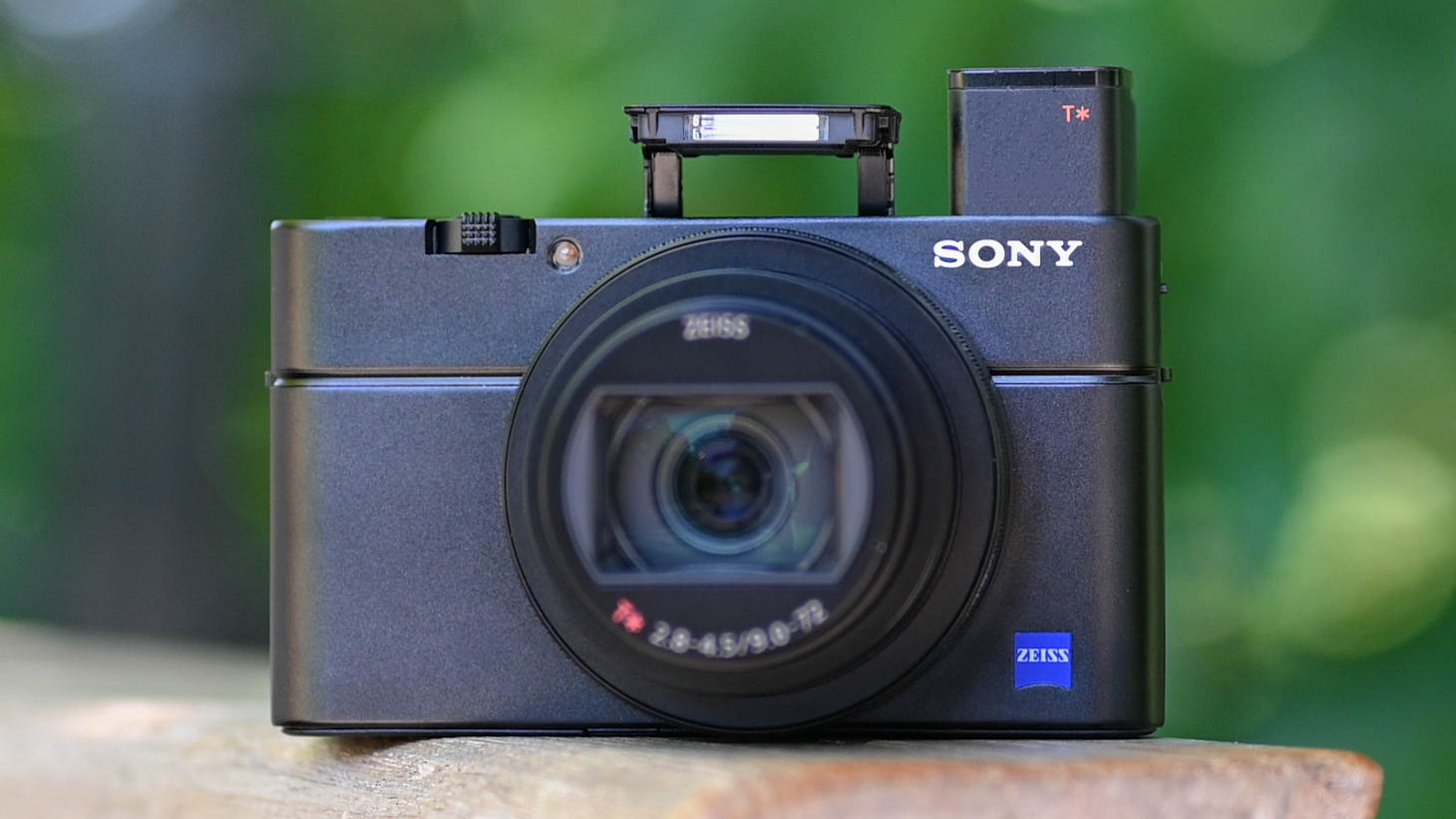
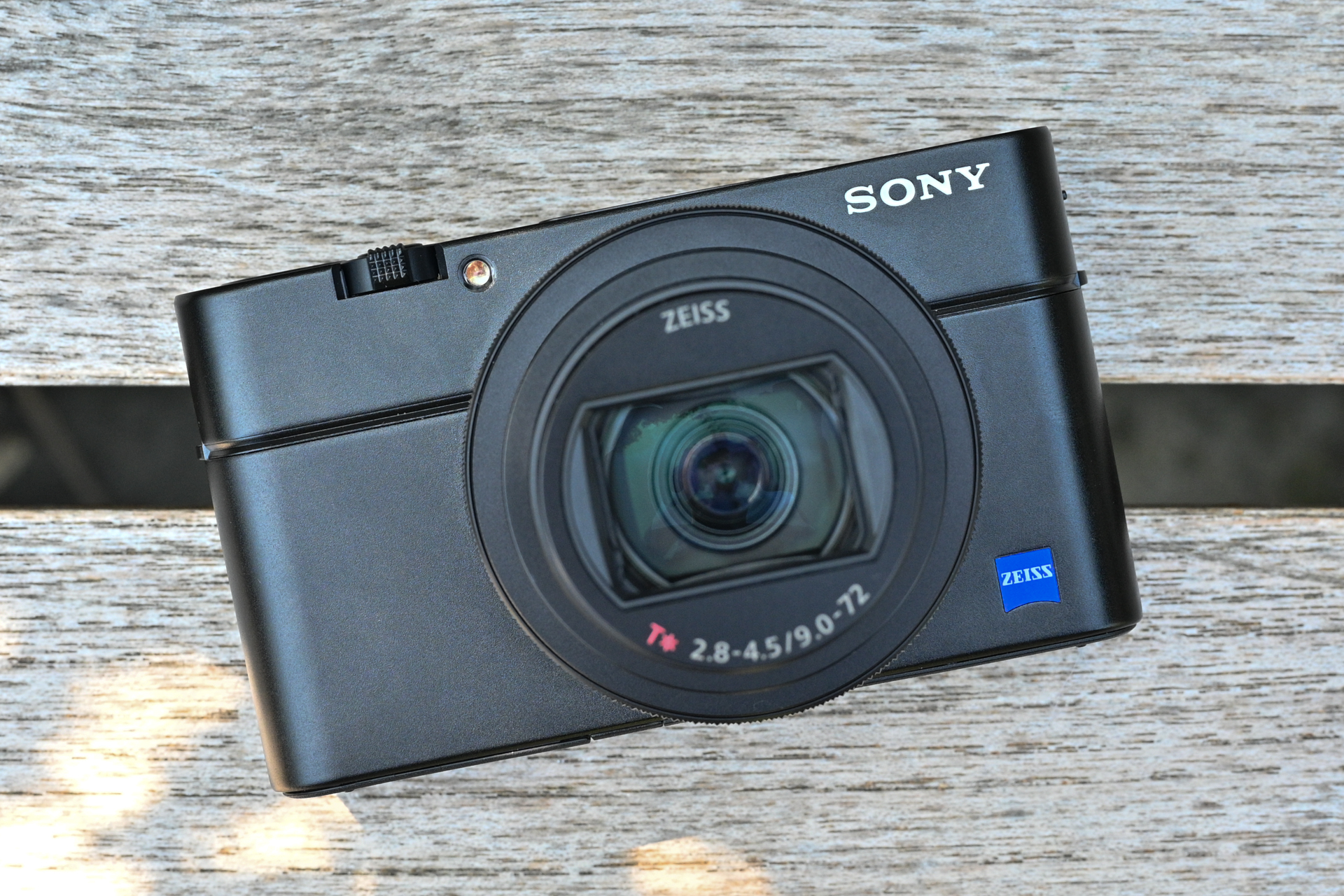
In 2012, the Sony Cyber-shot RX100 was announced and redefined what a compact camera is. By including a much larger 1-inch image sensor, high-quality fast lens and sturdy metal body, the premium compact was born. Seven iterations on with the Sony RX100 VII (above) facing wide competition, premium compacts are more expensive than ever, but they pack incredible features that can make those life memories look all the better.
(Image credit: Future)
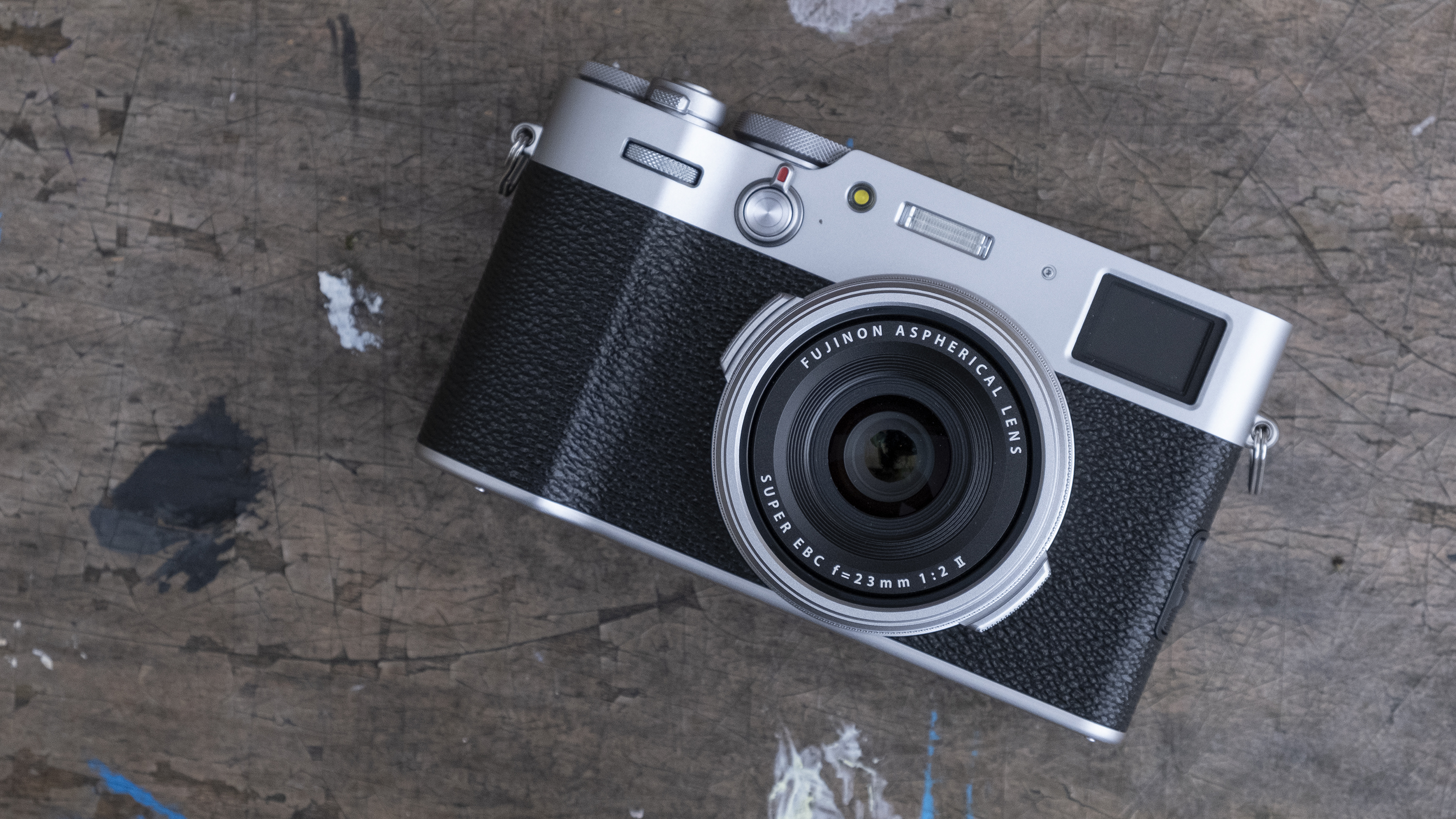
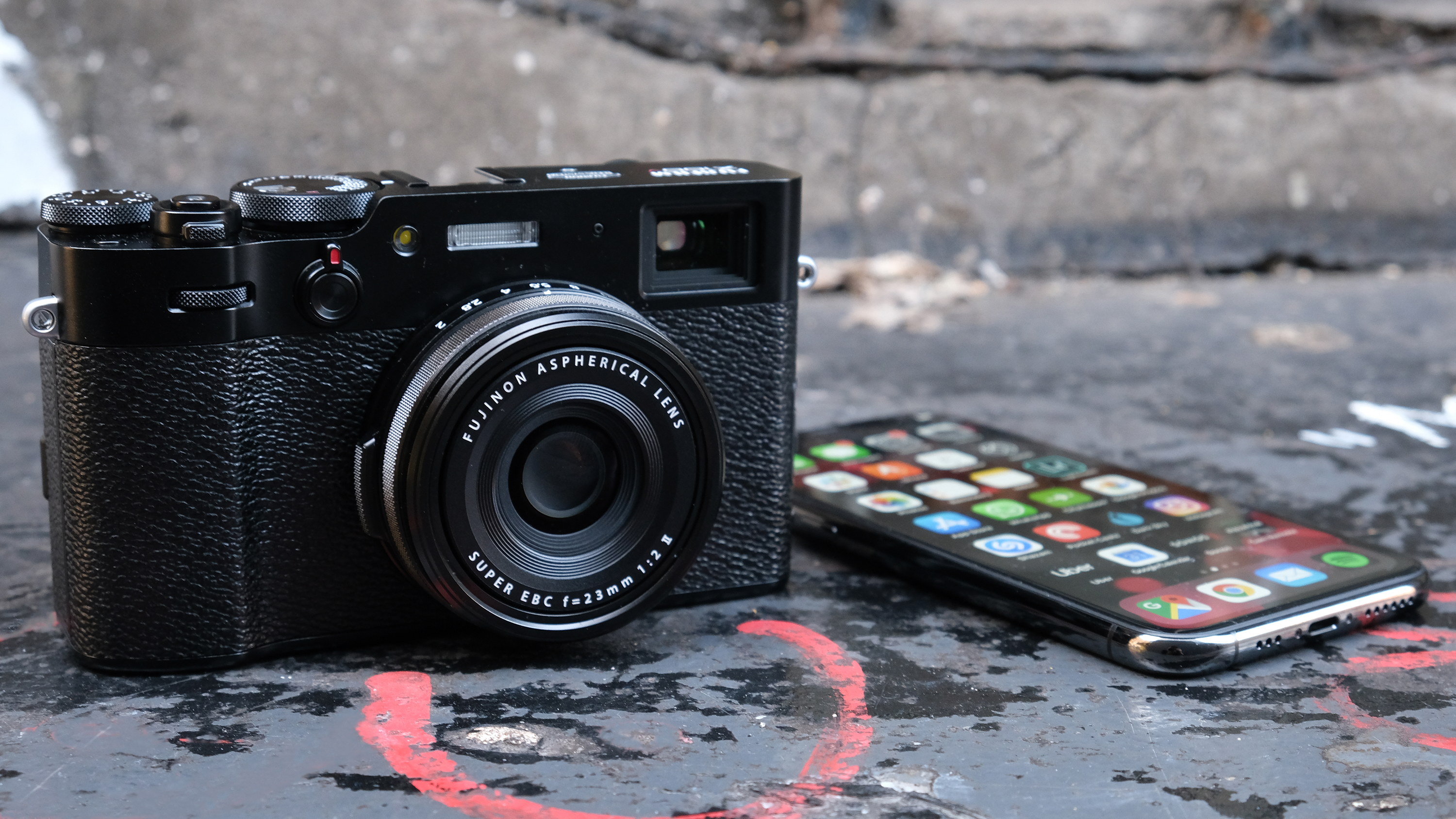
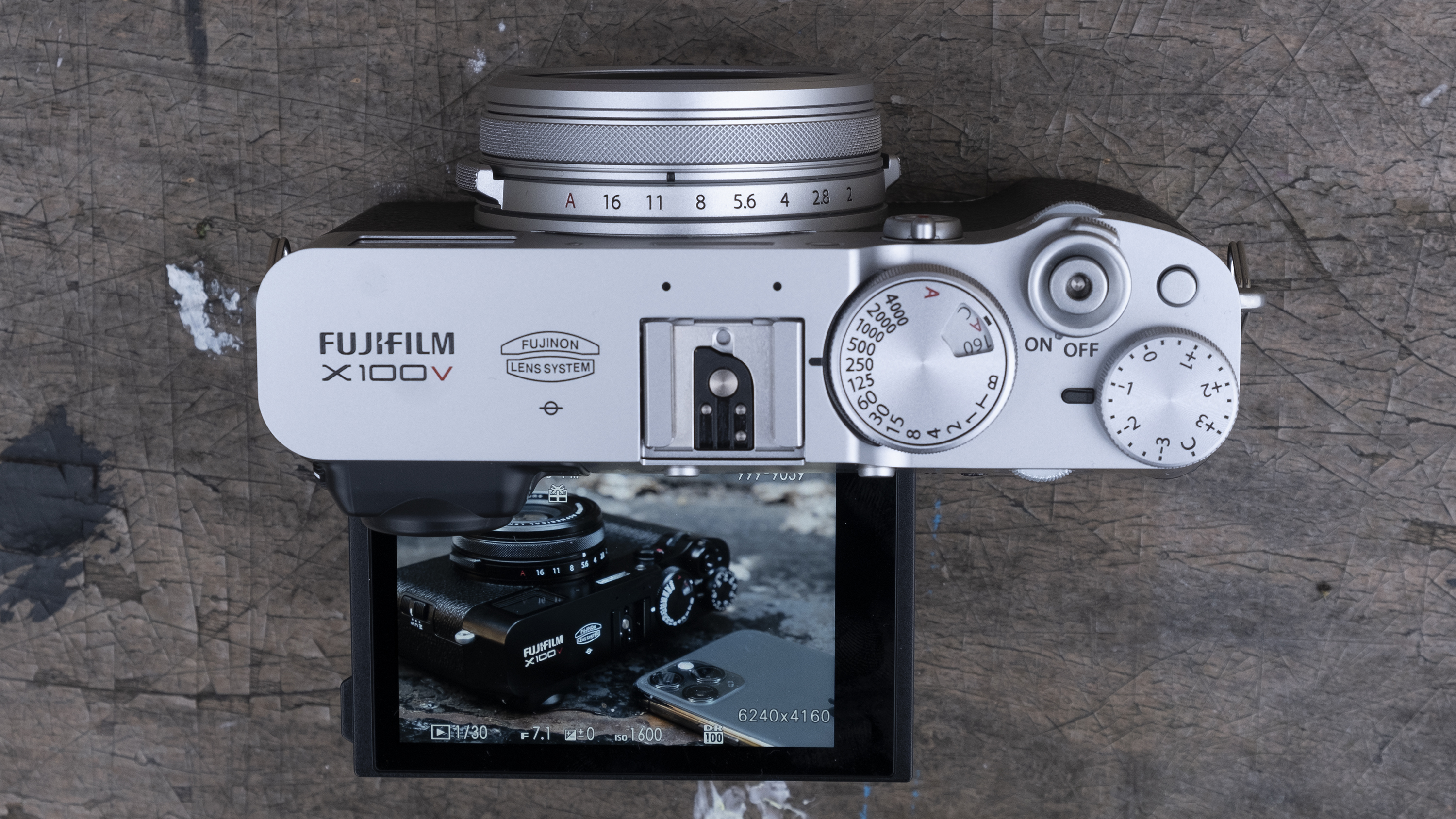
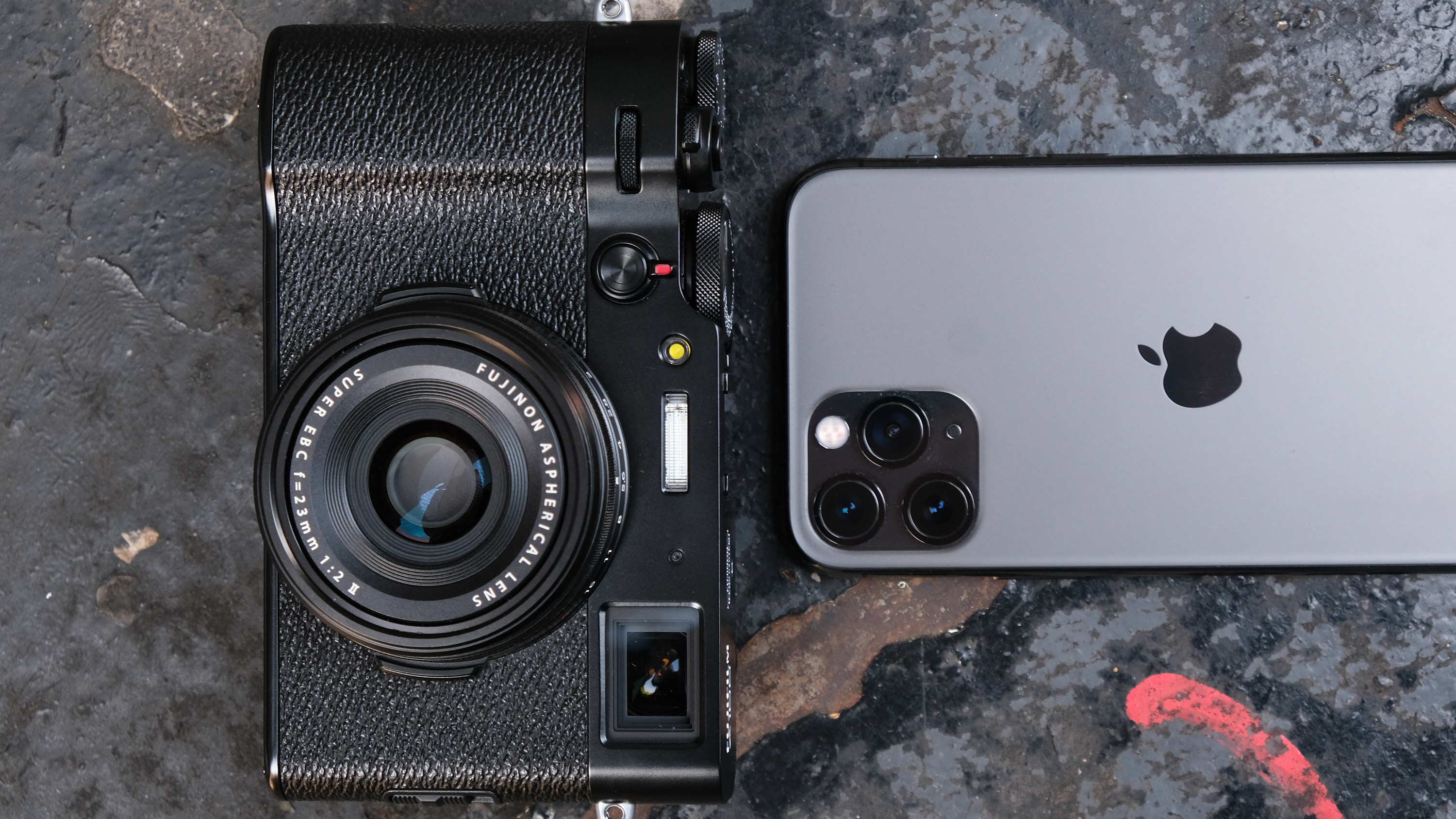
One step up from premium compacts (in terms of size) is what we call the big-sensor compact. While it's sometimes a stretch to label them 'compact', these cameras include either an APS-C or full-frame sensor paired with a moderate wide-angle, fixed-focal length and fast aperture lens. Ideal for low light, environmental portraits, street and reportage photography, they include cameras like the Fujifilm X100V (above) and Ricoh GR III.
(Image credit: Panasonic)
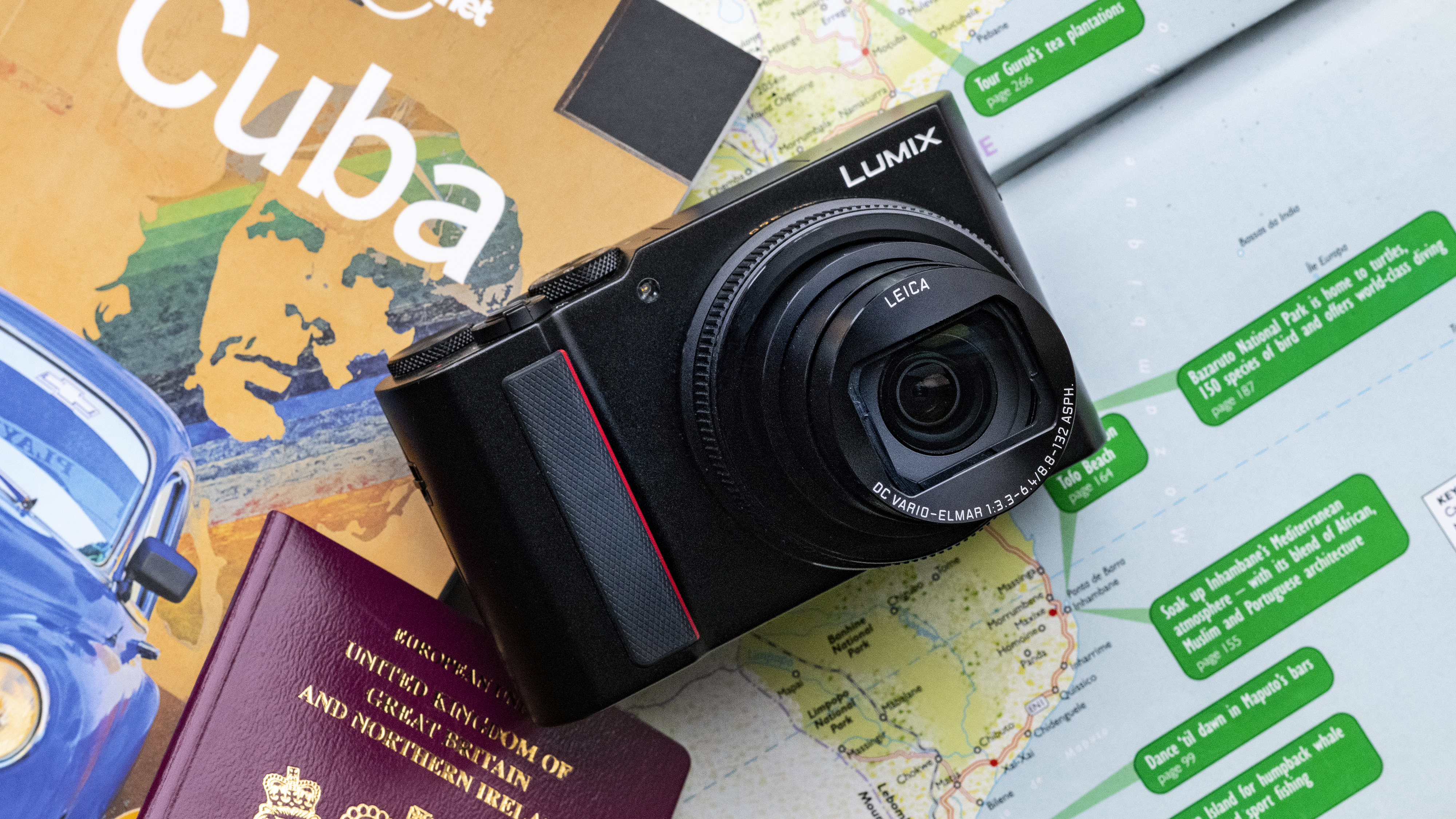
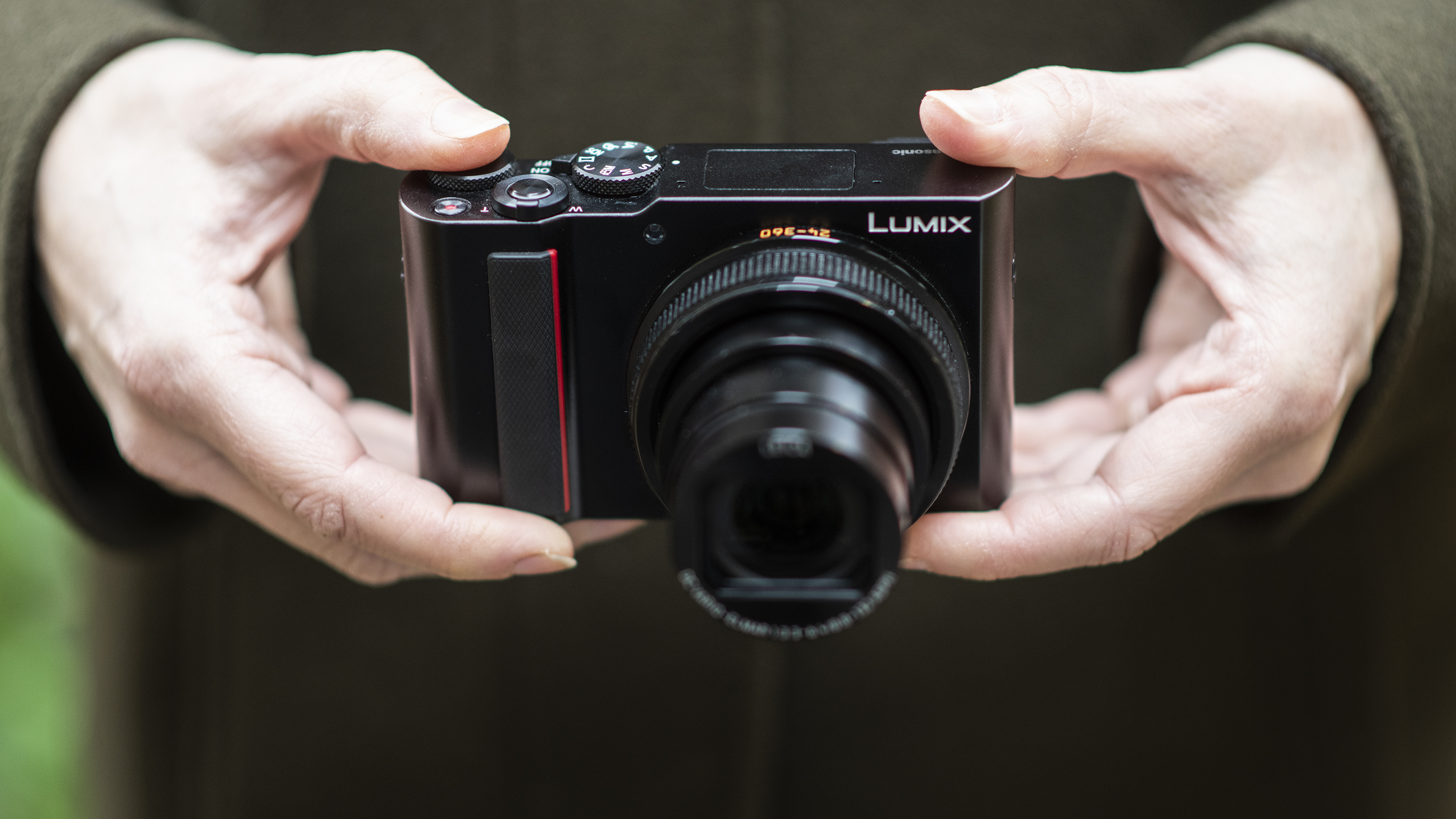
A travel zoom is based on two main qualities; compact size and a vast optical zoom range. A case in point is the Panasonic TZ200 (above) with its 15x optical zoom range, covering anything from landscapes to close-ups of far away action – it's a slip-in-your pocket camera for traveling and offers better optical zoom than the latest smartphones.
(Image credit: Future)
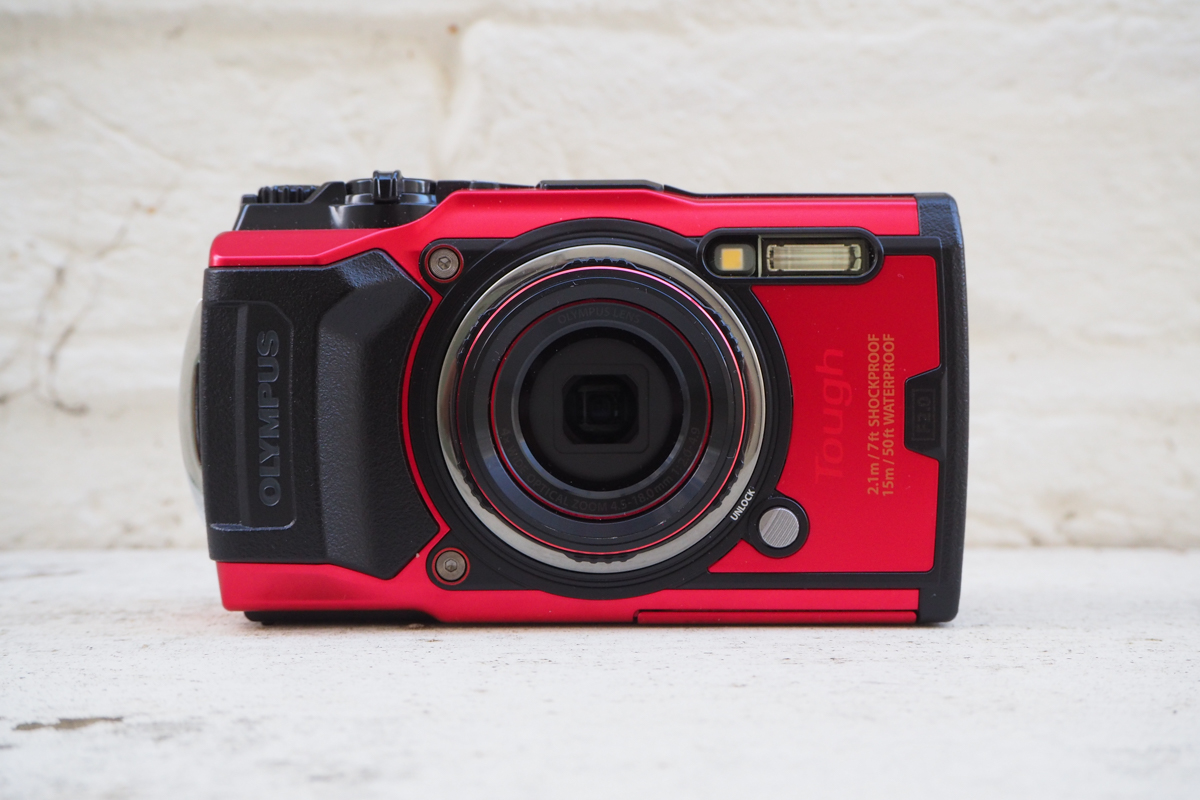
Rugged compacts such as the Olympus TG-6 (above) are designed to withstand the toughest environments, being fully waterproof, shockproof and freezeproof. When your smartphone's just malfunctioned after a brief dunking in a paddling pool, the appeal of rugged cameras is all too clear.
(Image credit: Future)
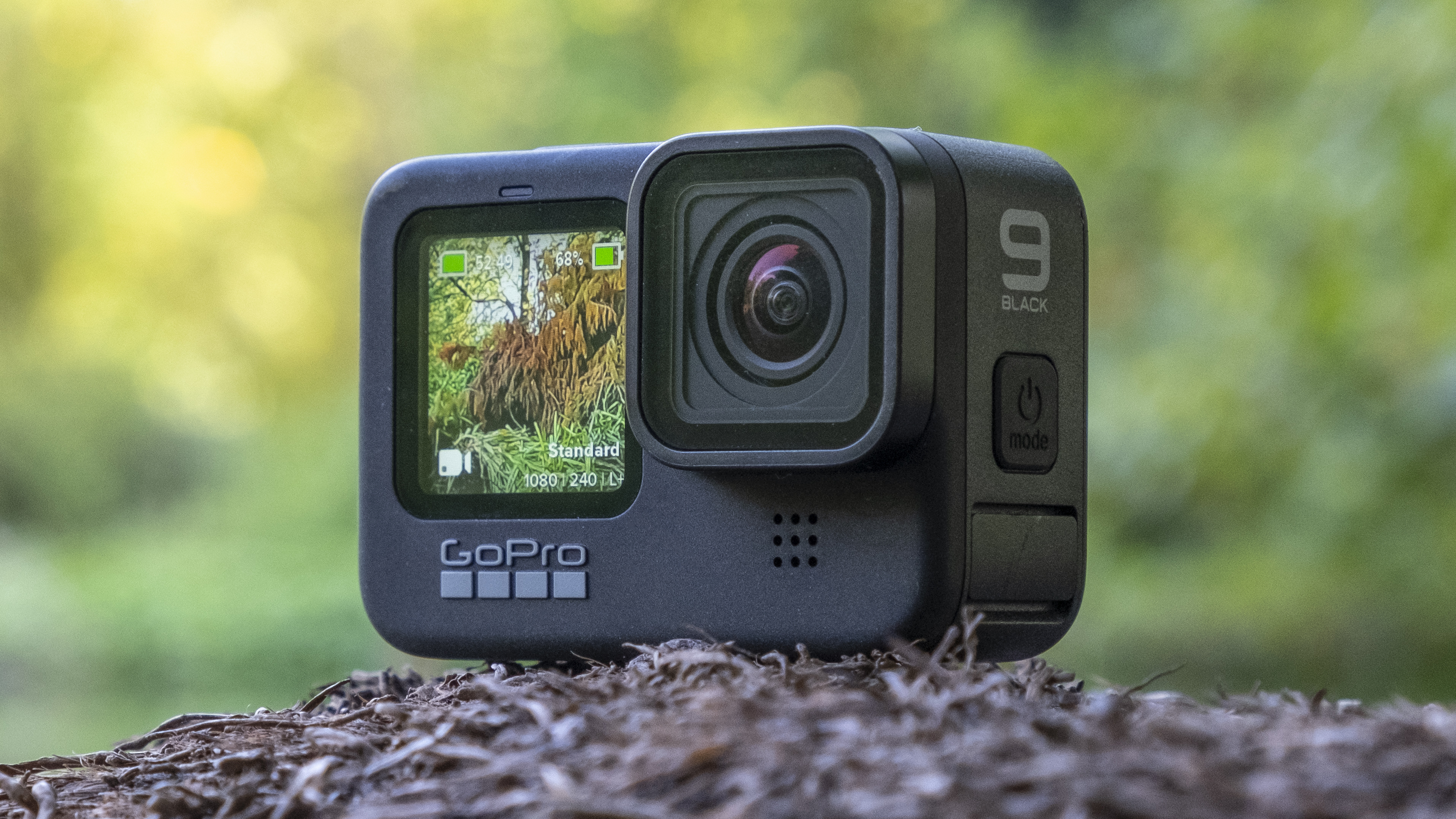
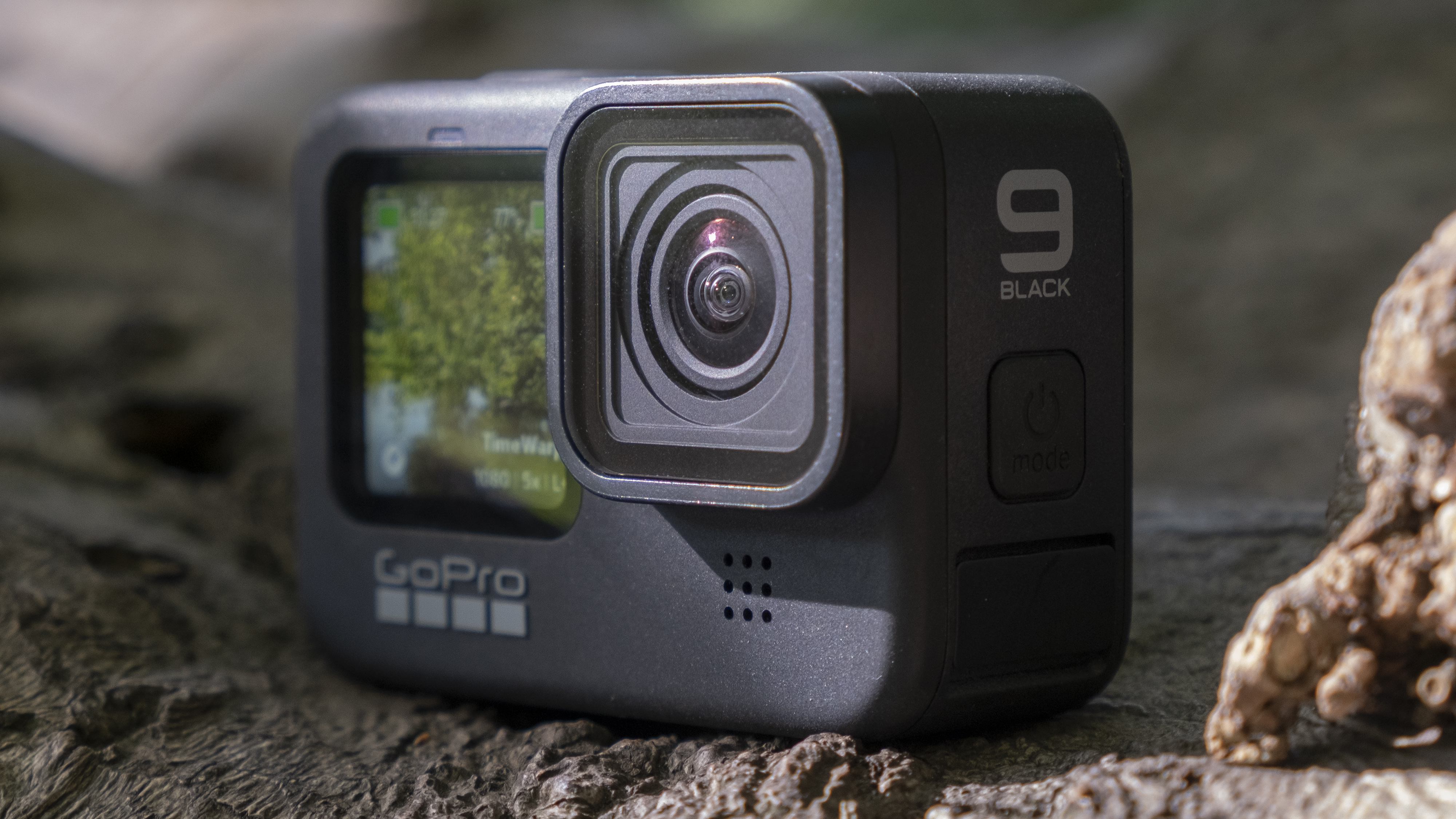
An action camera is a tiny, mountable box-camera with an ultra-wide-angle lens that's primarily designed to capture your adrenaline-filled adventures in 4K. Immortalized by GoPro but with many other brands jumping on the bandwagon, the latest GoPro Hero 9 Black (above) is worth checking out.
(Image credit: Future)
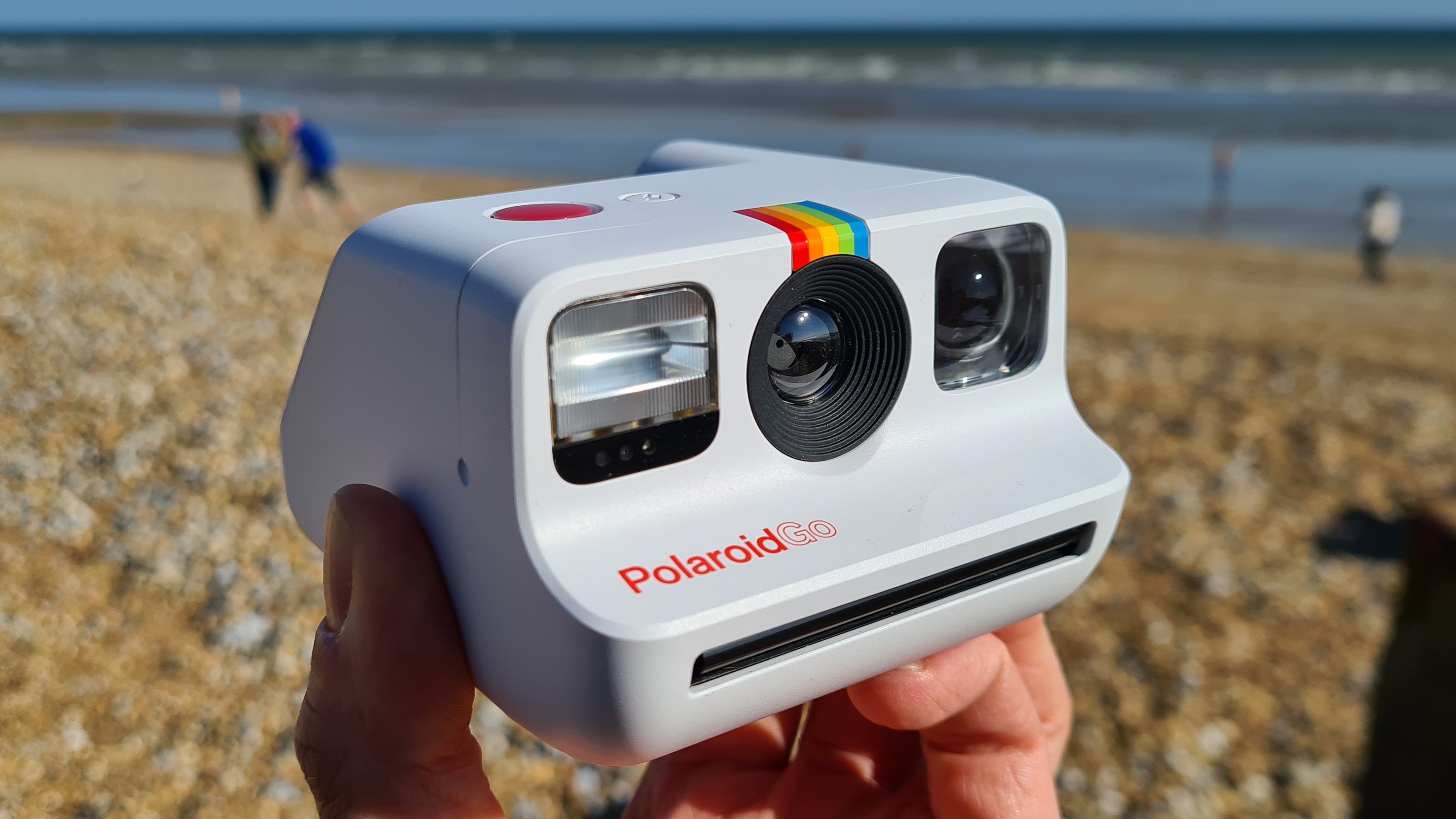
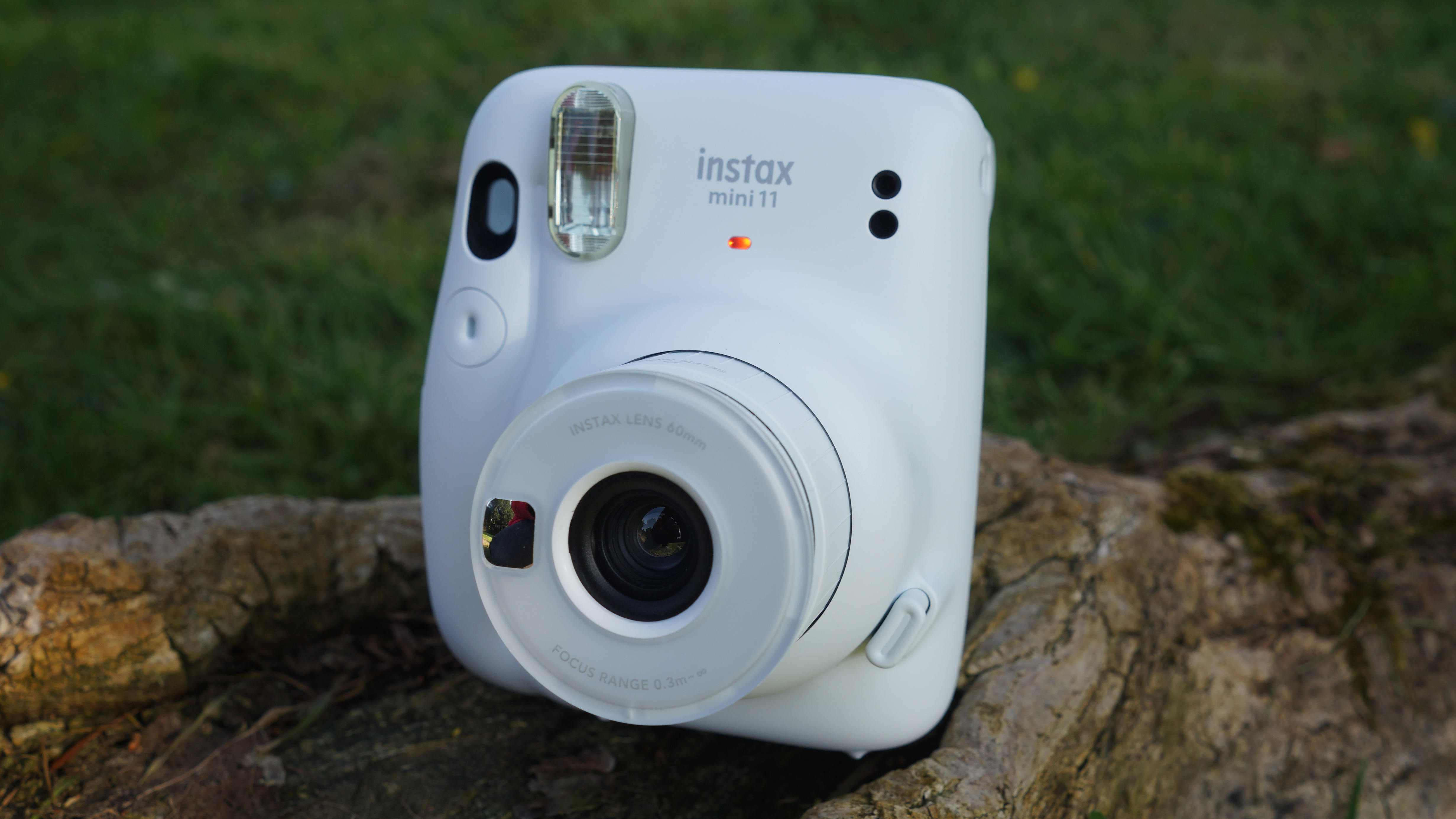
Instant cameras synonymous with Polaroid are in an entire category of their own. Downright fun and simple to use, their charm is their appeal, providing immediate mini photo prints to keep or share. Our current favorite entry point is the Fujifilm Instax Mini 11, though there are now genuinely compact alternatives like the Polaroid Go (above).
(Image credit: Future)
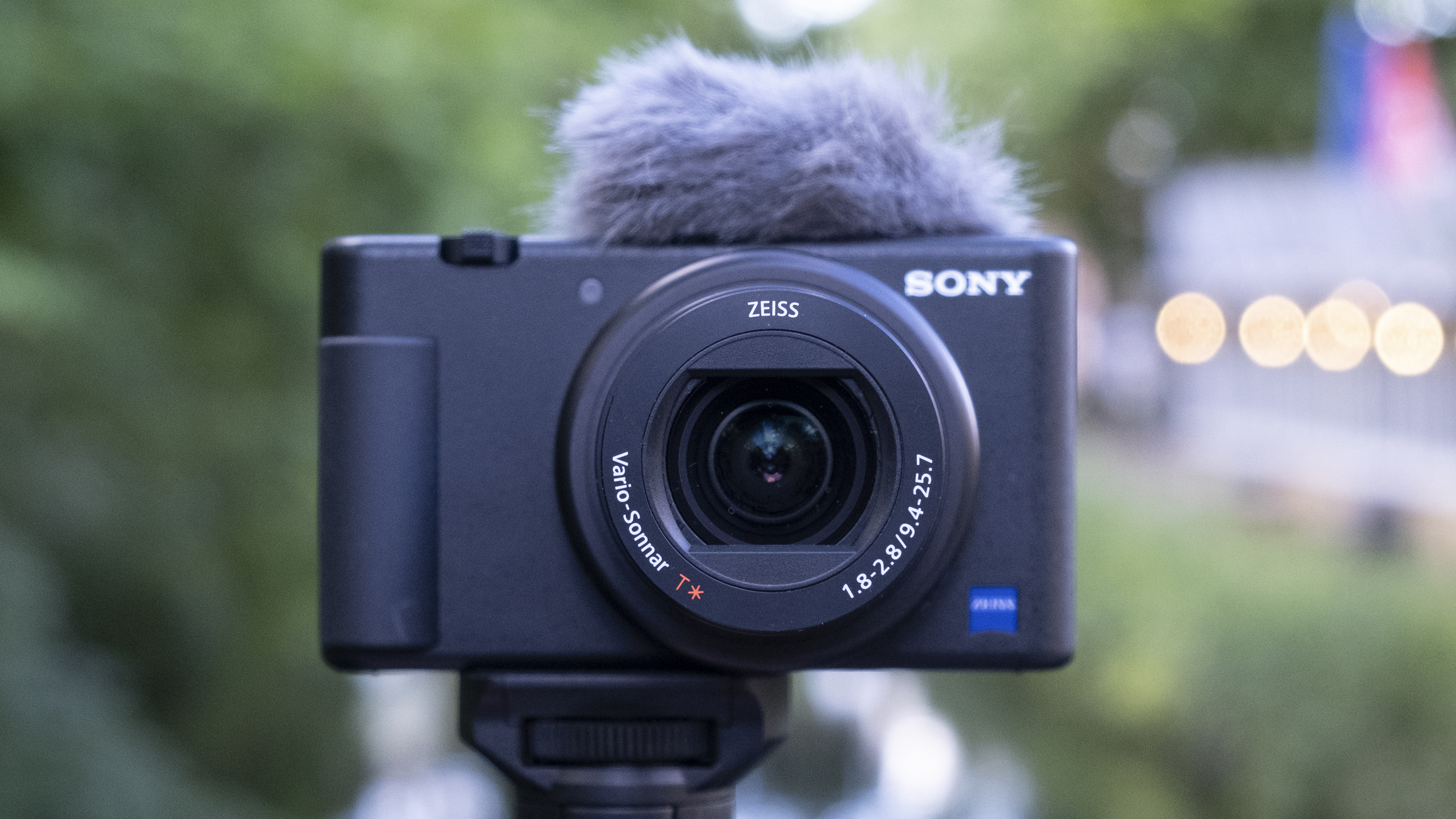
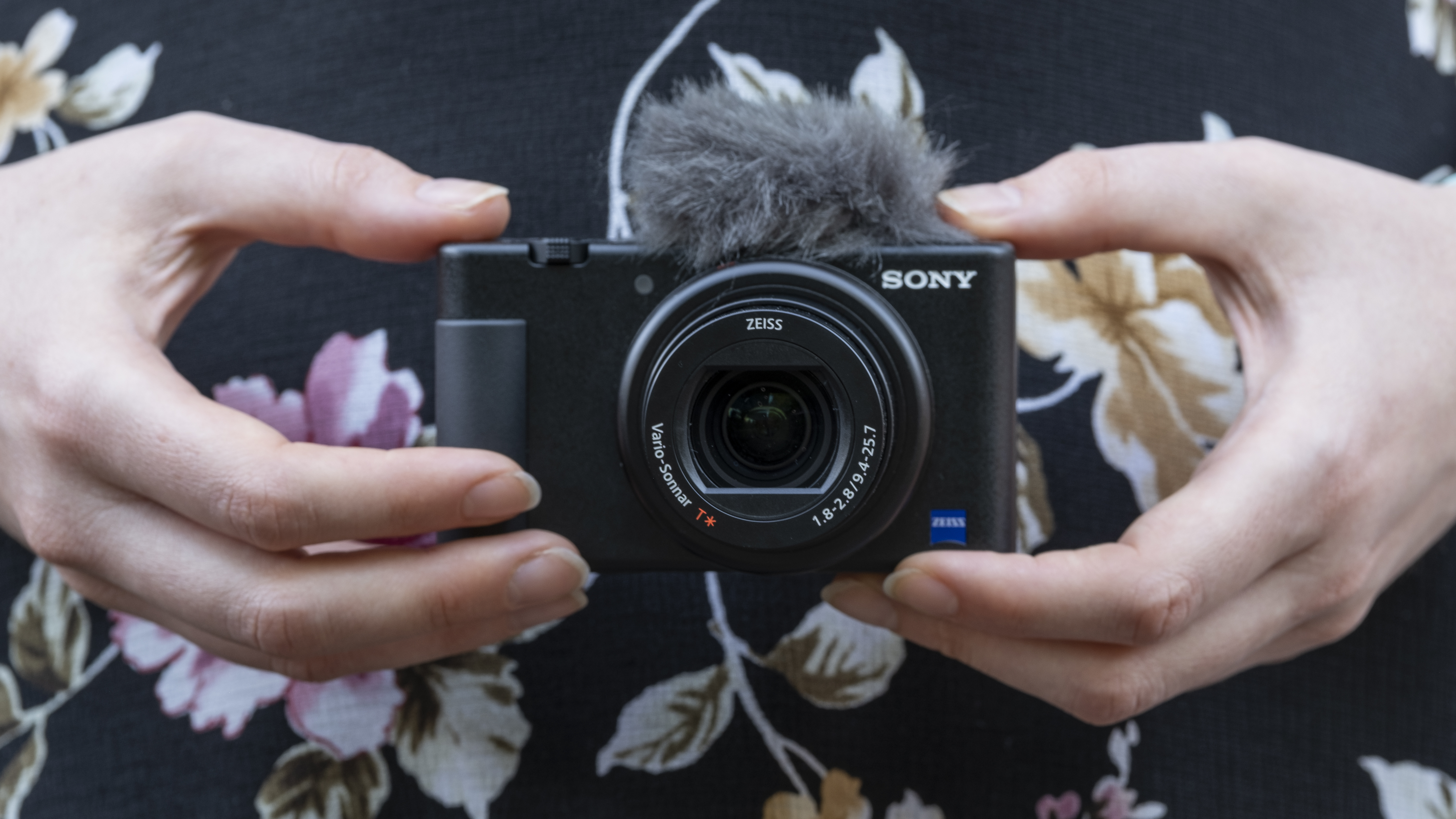
One final category rides the current surge in demand for vlogging cameras. Although many cameras can vlog, in 2021 we are seeing cameras primarily marketed and designed with the solo vlogger in mind, such as the compact Sony ZV-1 (above).
In what ways are compact cameras still better than smartphones?
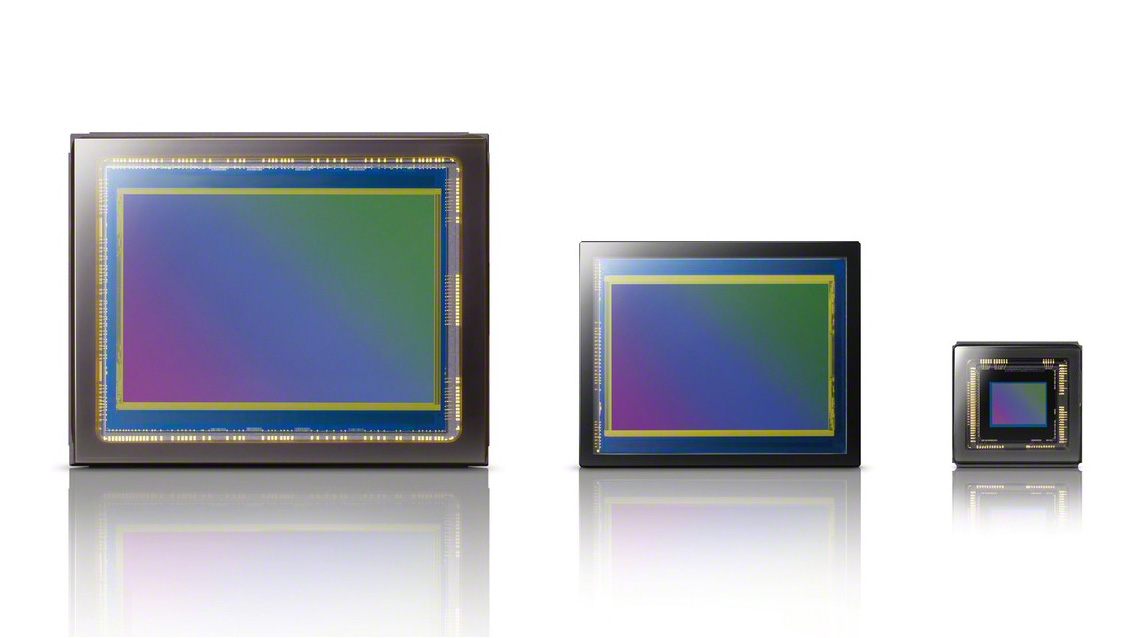
The laws of physics restricts the physical size of image sensors and lenses in a smartphone. Why is size so important? Well, image quality is hampered by small sensor size and compact cameras provide more physical depth to play with, making larger sensors possible.
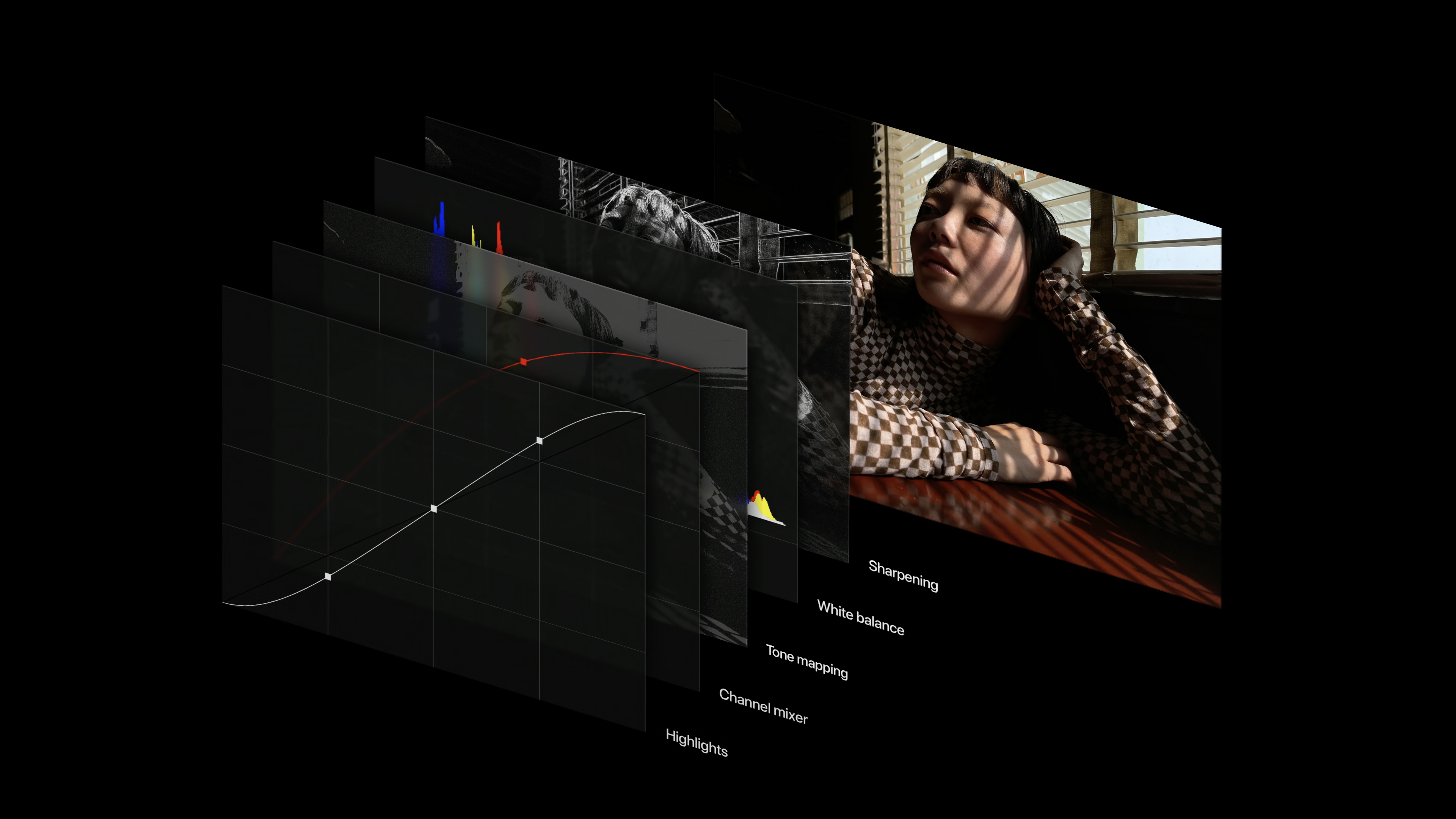
At their best and often with jaw-dropping efficiency, smartphones rely on 'computational' photography as a workaround of small-sensor limitations – for example, 'portrait mode' can blur the background for popping-portraits. However, computational photography is never 100% reliable.
(Image credit: Future)
Portrait mode works by applying a uniform blur to your subject's surroundings with no true depth, and even in 2021 remains susceptible to digital artifacts. Those with a keen eye notice these imperfections. Conversely, a large sensor, fast-aperture compact creates genuine depth of field blur.
Another limitation to sensor size is dynamic range, because a smaller sensor captures less highlight and shadow detail in a single picture. Again, smartphones use computational photography via a multi-frame capture called HDR to increase dynamic range. Such an approach is fine when your scene is static, but if there is fast movement going on, then you'll get unwanted ghosting.
(Image credit: Apple)
Phone 'night modes' pose the same headache regarding movement, because they use long-exposure and stabilization to get bright, sharp shots. Ultimately, computational photography is tackling smartphone sensor size and is certainly closing the image quality gap, but real-world limits remain.
Smartphone multi-cam units offer different focal lengths and optical zooms are creeping into high-end smartphones in 2021 such as the Samsung Galaxy S21 Ultra. However, smartphone lens technology is still no match to compact cameras like travel-zooms that offer a much greater reach.
Other handling benefits with dedicated cameras include those with the option of a viewfinder, which is especially helpful for clear viewing in bright light. Those with tilting screens also make shooting at awkward angles a breeze, while superior weather-proofing and build quality (especially in the case of rugged compacts) are also great reasons to have a dedicated camera. Lastly, autofocus performance is an entirely different proposition on compacts.
Creating more cutting-edge compact cameras comes at a literal cost. If you are going to buy a good one, it'll set you back the same amount as a decent smartphone, which is obviously way more than just a camera. Cost aside, there is more to the smartphone camera case.
Convenience is up there as the single biggest reason in favor of smartphones over compact cameras. As the cliché goes, the best camera is the one that you have with you – and who doesn't walk around with their smartphone? There's still a degree of intentionality required in keeping a dedicated compact camera to hand, even if it easily slips into your pocket.
(Image credit: Future)
One underrated benefit of the smartphone's ubiquity is also its ability to give you a degree of inconspicuousness, which ideal for something like documentary and street photography, or relaxed family portraits.
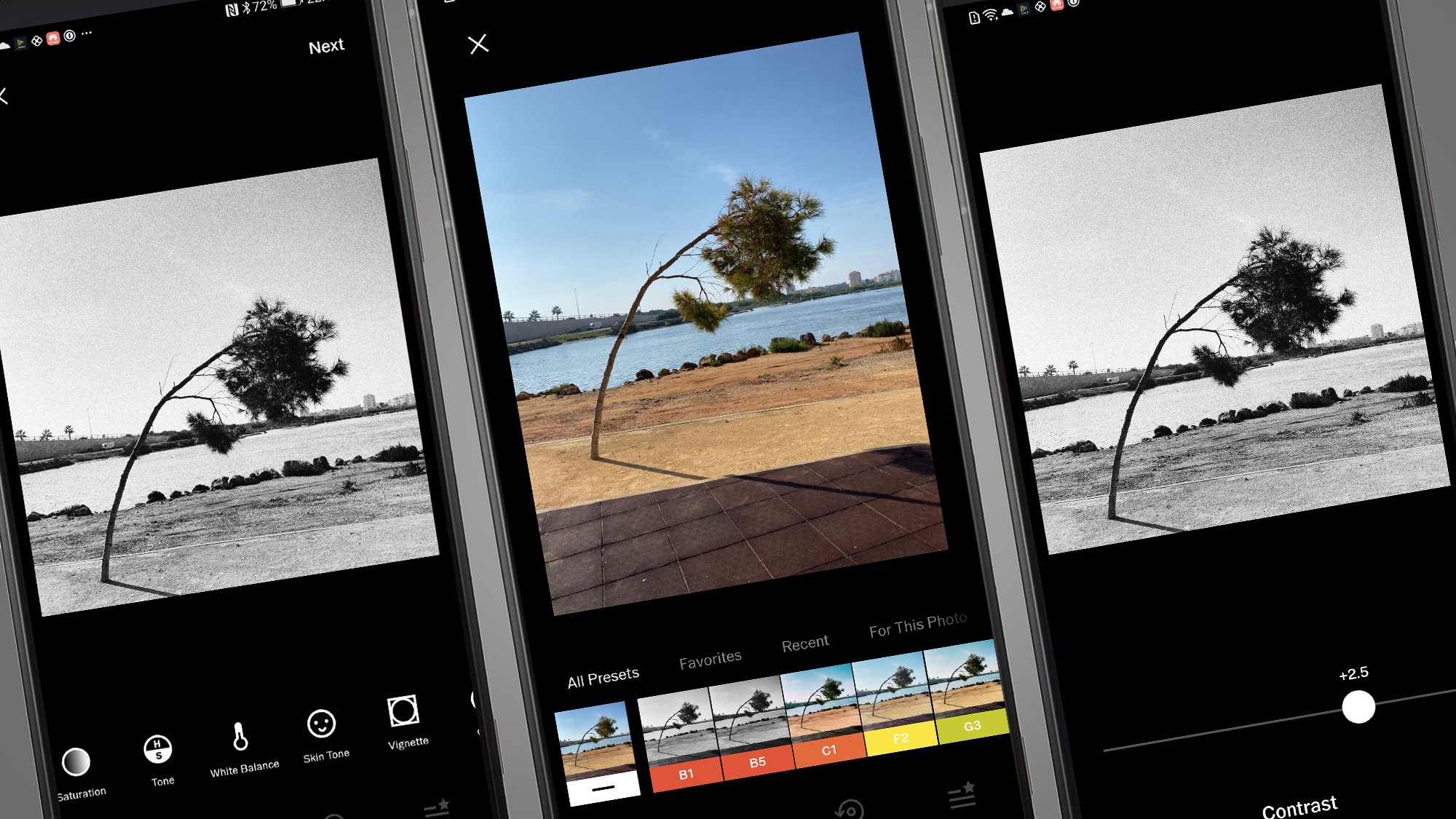
Convenience stretches to more than just availability, too. The whole process of using a smartphone camera is about as easy as it gets. As we said earlier, computational photography gets you the best possible quality image at the click of a button; auto HDR, portrait mode, night mode shots. These kind of effects can take a lot more effort to apply to compact camera shots. When the scenario is right, you can't beat the image processing of a smartphone.
(Image credit: VSCO)
Then there is sharing pictures. No Bluetooth and Wi-Fi connections to fiddle with, smartphone pictures are in your smartphone immediately for further editing, instant sharing and hassle-free cloud storage.
There are also strides towards 'pro' camera features in smartphones; manual exposure control, histogram display and shooting in raw format. But the reality in 2021 remains that auto computational photography does, in most cases, a better job of squeezing the best quality from the sensor than manually tweaking a raw file.
What are the best compact cameras you can buy in 2021?
Let's now take a closer look at our favorite compact cameras in 2021 and why you would use them instead of your smartphone.
(Image credit: Future)
A premium pocket camera with pro features, the Sony Cyber-shot RX100 VII (above) outmuscles any smartphone especially for capturing action pictures and videos. This is thanks to its autofocus, image stabilization prowess, and high-speed shooting modes, all in a camera with a much larger sensor than a smartphone and decent optical zoom range.
(Image credit: Future)
The retro-chic Fujfilm X100V street-shooter (above) boasts excellent image quality thanks to its large APS-C image sensor – this combines nicely with its sharp, edge-to-edge 35mm f/2 aperture lens to make it especially at home when shooting in low light. It's packed with dedicated exposure control dials that are sure to please photo enthusiasts, too.
(Image credit: Future)
Smartphones struggle to get you close to subjects in the same way as a travel-zoom like the Panasonic TZ200 (above). Its 15x optical zoom has a 24-360mm range, whereas a smartphone typically starts at 28mm and, at longer focal lengths, usually only offers a digital zoom that dramatically decreases image quality the further you zoom in.
(Image credit: Future)
Rugged and action cameras usually have a similar-size image sensor to smartphones and comparable image quality, but they are designed to be taken into scenarios that you simply wouldn't want to risk your phone in. Strapped to a helmet for hitting the slopes, underwater action, the GoPro Hero 9 Black (above) and Olympus TG-6 are the ones for your extreme adventures.
(Image credit: TechRadar)
It might be easy to share your smartphone images on social, but can you print photo keepsakes on-the-fly? Our favorite easy-to-use instant camera, the Fujifilm Instax Mini 11, uses one of the most affordable film stocks that produces prints with gorgeous colors.
Smartphones are the most convenient tools for vlogging, but the Sony ZV-1 takes the quality up a notch thanks to its larger 1-inch sensor and fast lens, which combine to create some lovely shallow depth of field. Its blazing autofocus offers an AF mode that's ideal for product influencers, while there's also a flip-out LCD screen, hotshoe for accessories and 3.5mm mic port.
Compact cameras vs smartphones: which is the best for me?
If you're looking to take pictures that go beyond the scope of your smartphone, there are a few ways to do it – and compact cameras remain one of those options. But as we've discussed, it's important to pick the right model, as it's now no longer the case that dedicated cameras always carry a hardware edge or image-taking edge over phones.
Each compact camera mentioned in this article offers specific tools for specific scenarios – for example, a large APS-C sensor for taking your image quality or creative control up a level, or rugged models for those times when you don't want to risk a precious slab of glass with your entire life on it.
(Image credit: Future)
While the image quality gap is closing in general, computational photography is not 100% reliable, and there are ways in which compact cameras make better quality pictures for specific scenarios; lens reach, larger image sensors, better autofocus performance.
Of course, image quality is only one consideration when it comes to choosing a camera. The fact that a phone is most likely to be the camera in your pocket, and is a multi-purpose device that keeps those around you at ease in a way a dedicated camera do not, may just provide photo opportunities that you would otherwise not get.
A smartphone is also the most convenient picture-taking and sharing tool. If the scenario is fitting to a smartphone camera's strengths – for example, wide-angle, bright light, or simple compositions – then you're unlikely pine for more. Take time to learn how to use a smartphone for photography, though, and you may just elevate your pictures to the point where you start to want a dedicated camera.
Huawei has announced a pair of new flagship smartphones, the Huawei P50 and Huawei P50 Pro. Both phones include a Leica-branded 50-megapixel main camera. Let's look at the P50 Pro first, since it has the more interesting features. The P50 Pro utilizes a dual-matrix camera design, True-Chroma Shot, a 200x zoom range and AIS Pro True-Steady Shot. The camera has Huawei XD Optics and an upgraded Huawei XD Fusion Pro image engine. The True-Chroma Image Engine includes an upgraded ambient light sensing system and captures images in P3... (read more)
from Imaging Resource News Page https://ift.tt/2WyeBcR
via IFTTT
Capture One editing workflow with Emily Teague Adorama teamed up with photographer Emily Teague for a roughly 30-minute video tutorial on a good Capture One workflow for basic editing. In the video below, Teague covers workspaces and customization, tools in the Exposure tab, color grading, healing and how you can use Capture One's excellent color editing tools to take your work to the next level. To view more of Emily Teague's work, follow her on Instagram. Serge Ramelli edits a GFX 100S RAW file in Lightroom and... (read more)
from Imaging Resource News Page https://ift.tt/3faXeWg
via IFTTT
A photographer at the Tokyo Olympics has given the first public demo of the Canon EOS R3's rapid-fire burst mode.
The EOS R3, which will be Canon's flagship mirrorless sports camera, hasn't yet been fully announced. But a few lucky pro snappers at the Olympics have been test-driving its skills, and one of those is Atiba Jefferson.
We've previously seen some standalone shots, which appeared to reveal that the EOS R3 will be a 24MP camera, but the new ones below show a sequence of what looks like the camera's 30fps burst shooting mode.
The EOS R3's 30fps continuous shooting comes with full autofocus tracking and auto-exposure and is one of the camera's headline features, matching the top speed of the Sony A1.
While the sequence is certainly impressive, it doesn't show what limitations will be placed on the EOS R3's maximum burst rate, in terms of file types supported, which lenses are capable of hitting those top speeds, and if potential crops might be incurred.
This is possible because the EOS R3 has Canon's first BSI (backside-illuminated) sensor for full-frame cameras, which helps deliver the speedy data read-out speeds needed for 30fps burst shooting.
Wait, isn't this just video?
Video is often shot at 30fps, so isn't this burst mode effectively just a short video? While videos are indeed just a series of still images, those frames are usually lower resolution than the ones a camera is capable of taking in its photo mode.
A single 4K frame, for example, is 8.2MP, whereas the Canon EOS R3 is a 24MP full-frame camera. What's so impressive about the camera's 30fps burst mode, at least when it's possible to hit those speeds, is that each frame can be a full-resolution raw file.
That gives sports and action photographers an opportunity to capture crucial split-second moments with all of the information and editing malleability that a raw file brings. What we don't yet know is whether or not these raw files will compressed raw, which is the case on the Sony A1, or fully uncompressed, lossless raws.
Either way, the Canon EOS R3 is undoubtedly an exciting new mirrorless camera with features that will, hopefully, filter down to less premium camera in the future. According to rumors, we're expecting to hear more about the R3, and possibly a full launch, in September.
Nikon's big rival, the Nikon Z9, is expected to arrive soon after that, which will nicely set up a gold-medal match between Canon, Nikon and Sony for the title of sports camera champion.
Sigma's next mirrorless camera lens is strongly rumored to be a new 150-600mm super-telephoto for sports and wildlife shooters – and now we have a good idea of its price, thanks to a new leak.
The ever-reliable leaker Nokishita has spotted that the 150-600mm f/5-6.3 DG DN OS Sports, for L-mount and E-mount cameras, has been "added to UK retailers for £1,199".
That tallies with its expected retail price of 198,000 yen (including tax) in Japan, which converts to around $1,800 / AU$2,440.
If true, that would make the new lens slightly more affordable than the DSLR version of the lens it's rumored to be based on, the Sigma 150-600mm f/5-6.3 DG OS HSM. +
That lens currently sits at the top of our guide to the best super telephoto lenses, so a mirrorless version could go down a treat for anyone who needs sharp results at the end of a very long zoom range.
The leaked pricing is for L-mount and E-mount versions of the new lens, which would be for Panasonic, Sigma and Sony mirrorless cameras. What isn't yet clear is whether Sigma will also be making it available for the Canon RF and Nikon Z mounts, but it looks like we won't have to wait long to find out.
Live event confirmed
Sigma has just published a placeholder on YouTube (below) for a live event that's taking place on August 4 at 8am EST / 1pm BST / 10pm AEST, which it says will be a "new products presentation".
Sony Alpha Rumors, though, is pretty certain that the event will be for the launch of the new Sigma 50-600mm f/5-6.3 DG DN OS Sports.
In fact, Sony Alpha Rumors also claims to have a list of the lens' specs, which suggest it'll weigh a pretty hefty 2,100g (including its tripod mount) and have a minimum shooting distance of 58cm-280cm, depending on your focal length.
It's likely to be a pro-level lens, so is expected to have 25 elements in 15 groups and also be compatible with 1.4x or 2x teleconverters for even more reach. The latter would take its maximum focal length to a ludicrous 1200mm on full-frame cameras.
Analysis: Zoom raider
The Sigma 150-600mm f/5-6.3 DG DN OS Sports is shaping up to be a beast of a lens with fittingly hefty price tag. But if the rumors are true, it's also likely to be more affordable than some of its existing mirrorless telephoto rivals from the likes of Sony.
The Sony FE 200-600mm f/5.6-6.3 G OSS, for example, cost £1,800 / $2,000 when it launched in 2019. That lens fully deserves its place in our list of the best Sony lenses, and is suitable for both full-frame and APS-C cameras (where it has an effective reach of 900mm, thanks to the 1.5x crop).
But Sigma's rumored new rival could well be a tempting alternative for sports and wildlife shooters, particularly if it does match the build and performance of the existing Sigma 150-600mm f/5-6.3 DG OS HSM for DSLRs. The latter has a full set of weather-seals and, in our tests, trumped its Tamron 150-600mm rival for autofocus speed.
The only question is whether it'll also arrive on Canon RF or Nikon Z cameras. The leaks so far suggest it'll be for L-mount and E-mount only to begin with, but with the Canon EOS R3 and Nikon Z9 fast approaching, there will surely be a case for it to land on those mirrorless sports cameras before long.
Searching for the best vlogging camera? You’ve landed in the right place. Whether you want to shoot professional footage for your followers, launch a YouTube channel or dive into live-streaming, the buying guide below includes video cameras to suit every kind of vlogger. (Looking for thebest YouTube camerainstead? Check out our separate guide on that).
From mirrorless models to premium webcams, the best vlogging cameras come in a range of shapes, sizes and guises. We’ve tested all of the top options to help you decide which one is right for you.
The features you need from a vlogging camera will vary depending on what and how you like to shoot. If you’re a solo filmmaker, for example, you’ll want an articulating screen for flexible framing. And if a lot of your content includes pieces delivered to camera, you’ll need a microphone input for top-notch audio, as well as reliable face-tracking autofocus to ensure your subject is sharp. Walking and talking? In-body image stabilization will be a welcome bonus if you don’t own a gimbal.
The best cameras for vlogging now offer 4K resolution as standard. But there’s more to a good vlogging camera than video quality alone. High frame rates will be important if you plan to capture slow-motion cut-scenes, with the top options offering up to 120fps. If your workflow includes post-processing, 10-bit color depth will give you greater editing flexibility.
Other factors could depend on your budget and needs. Tiny cameras like the Insta360 Go 2 sacrifice total creative control in favor of quick, simple usability for capturing off-the-cuff footage. Alternatively, if you don’t need interchangeable lens support, something like the Sony ZV-1 represents a great middle ground. It’s small enough to fit in your pocket, yet the 1-inch sensor can shoot excellent 4K video.
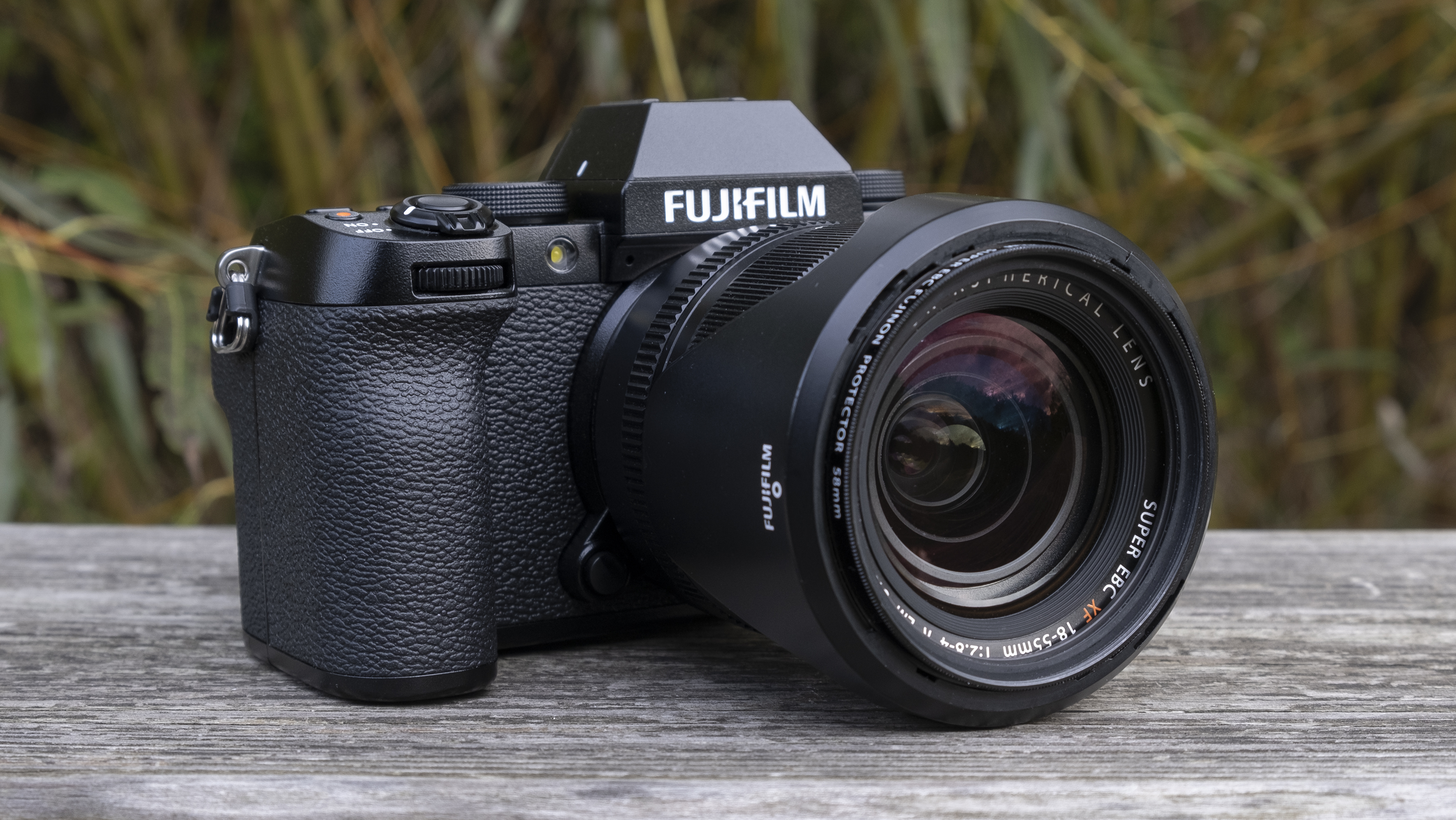
Our favorite vlogging camera right now is the Fujifilm X-S10. With a versatile set of 4K video specs, plus in-body image stabilization and a vari-angle screen, it’s a fantastic all-rounder for most vloggers. And it can shoot superb stills, if you need to. But with limited touchscreen controls and no weatherproofing, it might not be the perfect vlogging camera for you. You might find that the new Panasonic GH5 Mark II or Sony ZV-E10 are a better fit for your streaming needs, thanks to built-in video streaming support for YouTube and Facebook
Our round-up of the best vlogging cameras includes recommendations to cover all bases and budgets. To help you decide which one is right for your vlogging requirements, we’ve ranked our top picks based on their features, performance and outright value. From the latest releases to affordable choices, there’s a camera below to suit every sort of vlogger.
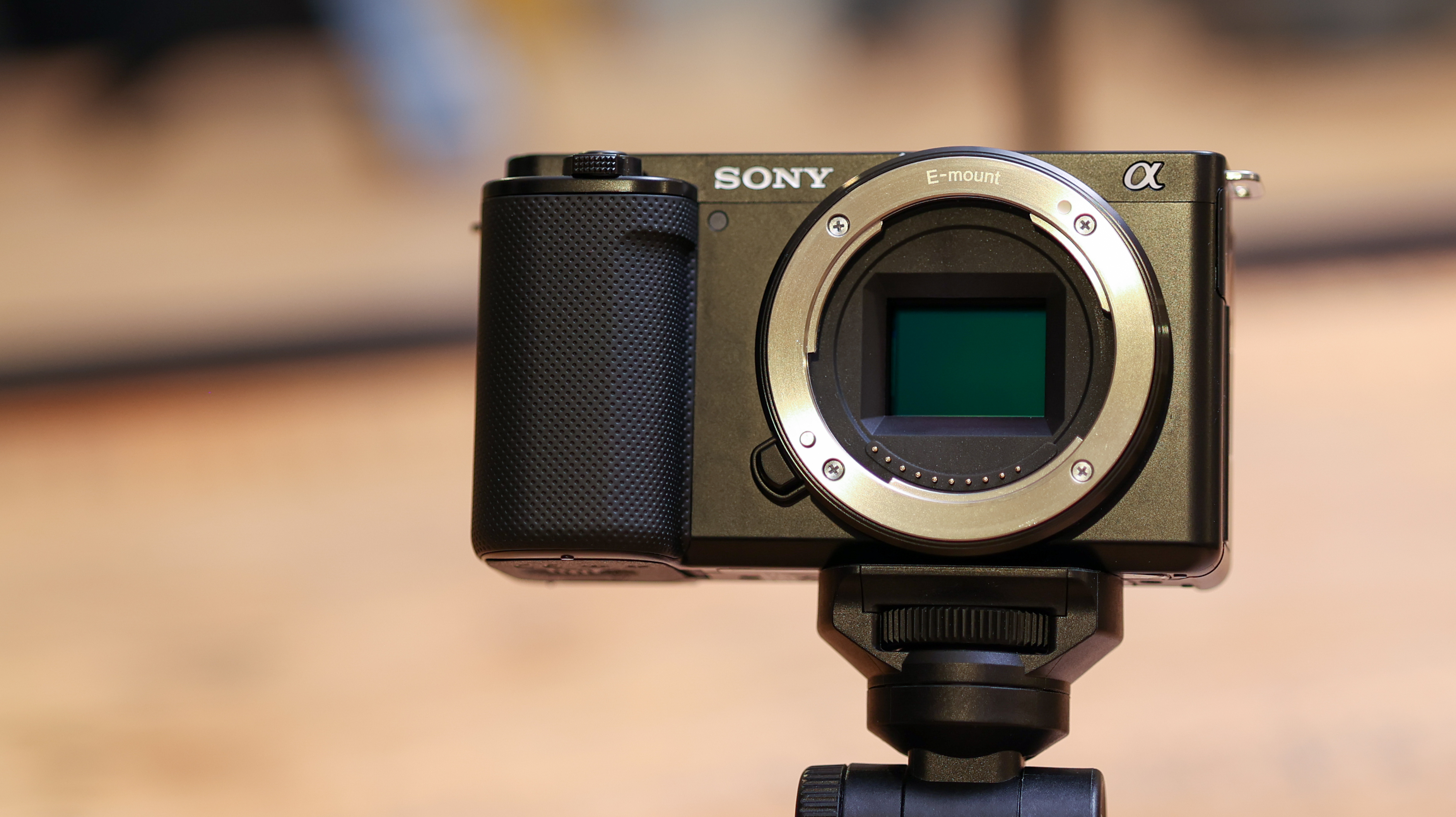
Type: Compact | Sensor size: 1-inch | Resolution: 20.1MP | Effective focal length: 24-70mm | Viewfinder: None | Monitor: 3.0-inch vari-angle touchscreen, 0.921-million dots | Connectivity: Wi-Fi, Bluetooth | Max movie resolution: 4K 30p | Size, weight: 105.5 x 60.0 x 43.5 mm, 294g
Class-leading autofocus
Bright 24-70mm lens
Pocketable
Limited touch controls
MicroUSB rather than USB-C
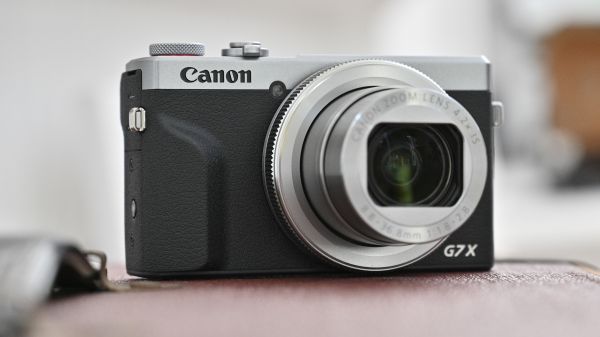
For a long time, the Canon G7 X Mark III was our favorite compact vlogging camera, but it's just been knocked off its perch by the excellent Sony ZV-1. By combining all of the best bits of Sony's RX100 series (for example, the RX100 VII's microphone port and autofocus, plus the RX100 V's bright 24-70mm f/1.8-2.8 lens) the ZV-1 really nails what most people want from a small vlogging camera.
Sony's latest Real-time tracking and Eye AF are the best around and the ZV-1 also has a huge amount of depth for a compact camera, including a built-in ND filter and profiles like S-Log2 for those who want to embrace color grading. We still think the Olympus OM-D E-M5 Mark III's stabilization and image quality are better still, but you won't find a finer pocket vlogging camera than the Sony ZV-1.
A mirrorless all-rounder that makes perfect sense for vloggers
Type: Mirrorless | Sensor size: APS-C | Resolution: 26.1MP | Effective focal length: N/A | Viewfinder: EVF, 2.36 million dots | Monitor: 3.0-inch vari-angle touchscreen, 1.04 million dots | Connectivity: Wi-Fi, Bluetooth | Max movie resolution: 4K 30p | Size, weight: 126 x 85 x 65 mm, 465g
Great sensor
IBIS in a small body
Great handling
No weatherproofing
Limited touchscreen controls
Arguably the best all-round mirrorless camera at this price point, the Fujifilm X-S10 is adept at lots of different types of shooting – including vlogging. It's not the cheapest or smallest option in this guide (the Sony ZV-1 below is a better compact option), but in terms of quality and bang-for-your-buck, it's our current top pick for video creators. Pair it with an XC15-45mm kit lens, and you have a superb vlogging setup.
Inside the X-S10 is the tried-and-tested combination of a 26.1MP X-Trans CMOS 4 sensor and X-Processor 4, which we’ve already seen in the Fujifilm X-T4. It shoots uncropped 4K/30p video, has in-body image stabilization (IBIS) to smooth out handheld jitters, and a vari-angle screen that flips round to face you. The X-S10 is also packed with other useful features, such as Full HD recording at 240p for a 10x slow motion effect, F-Log recording, and the option to output 4:2:2 10-bit video, too.
On top of all of that you’ve also got some fine retro styling and a great, comfortable grip, which makes it a great hybrid option for shooting stills, too. Considering all of the features you get, it's also available at a pretty wallet-friendly price. But be warned: its wide range of great X-series lenses may prove hard to resist.
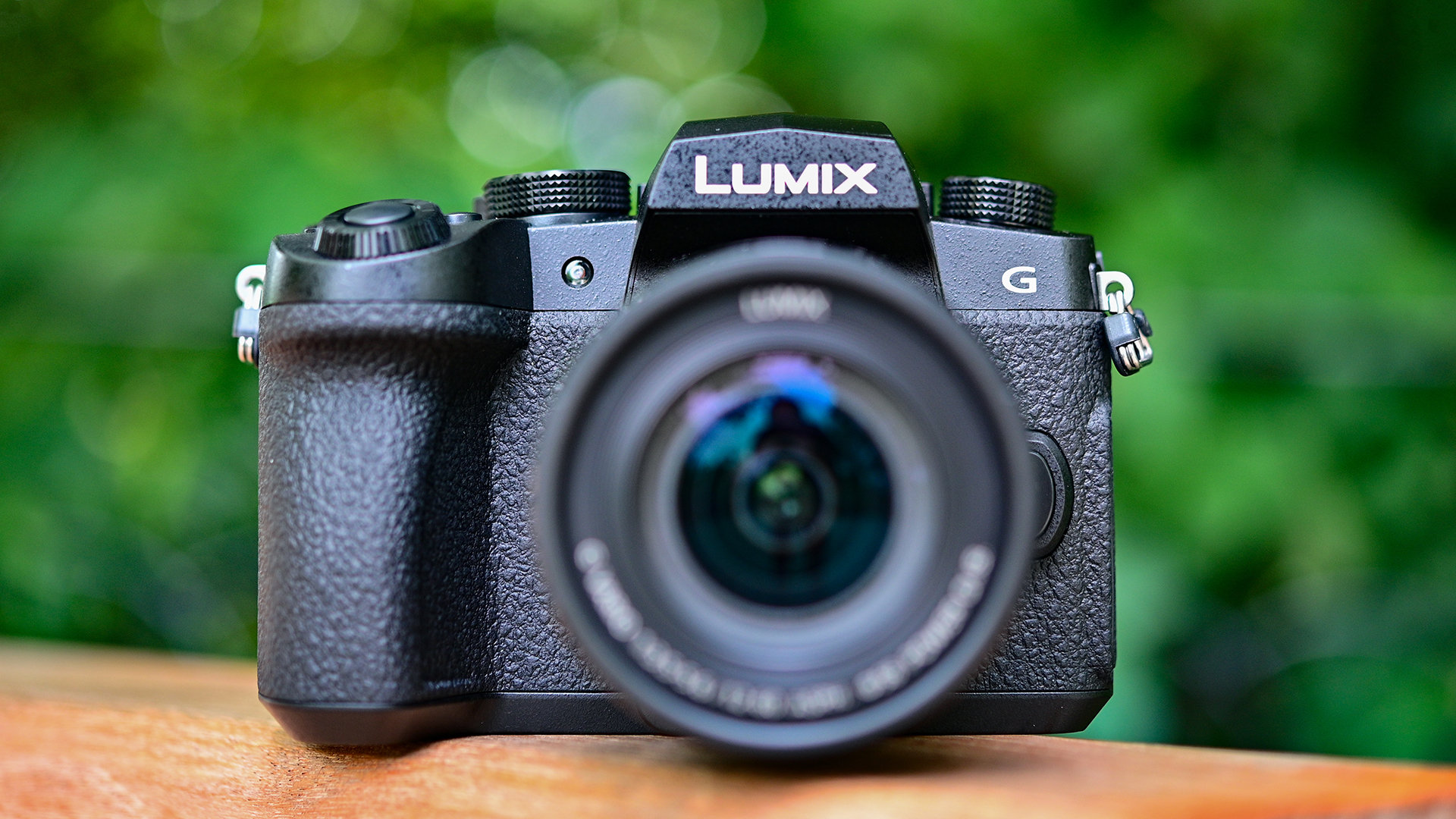
Type: Mirrorless | Sensor size: Four Thirds | Resolution: 20.3MP | Effective focal length: N/A | Viewfinder: EVF, 3.68 million dots | Monitor: 3.0-inch vari-angle touchscreen, 1.84 million dots | Connectivity: Wi-Fi, Bluetooth | Max movie resolution: 4K 60p | Size, weight: 139 x 98 x 87 mm, 727g
Built-in wireless streaming
Strong image quality
Not a big leap over the GH5
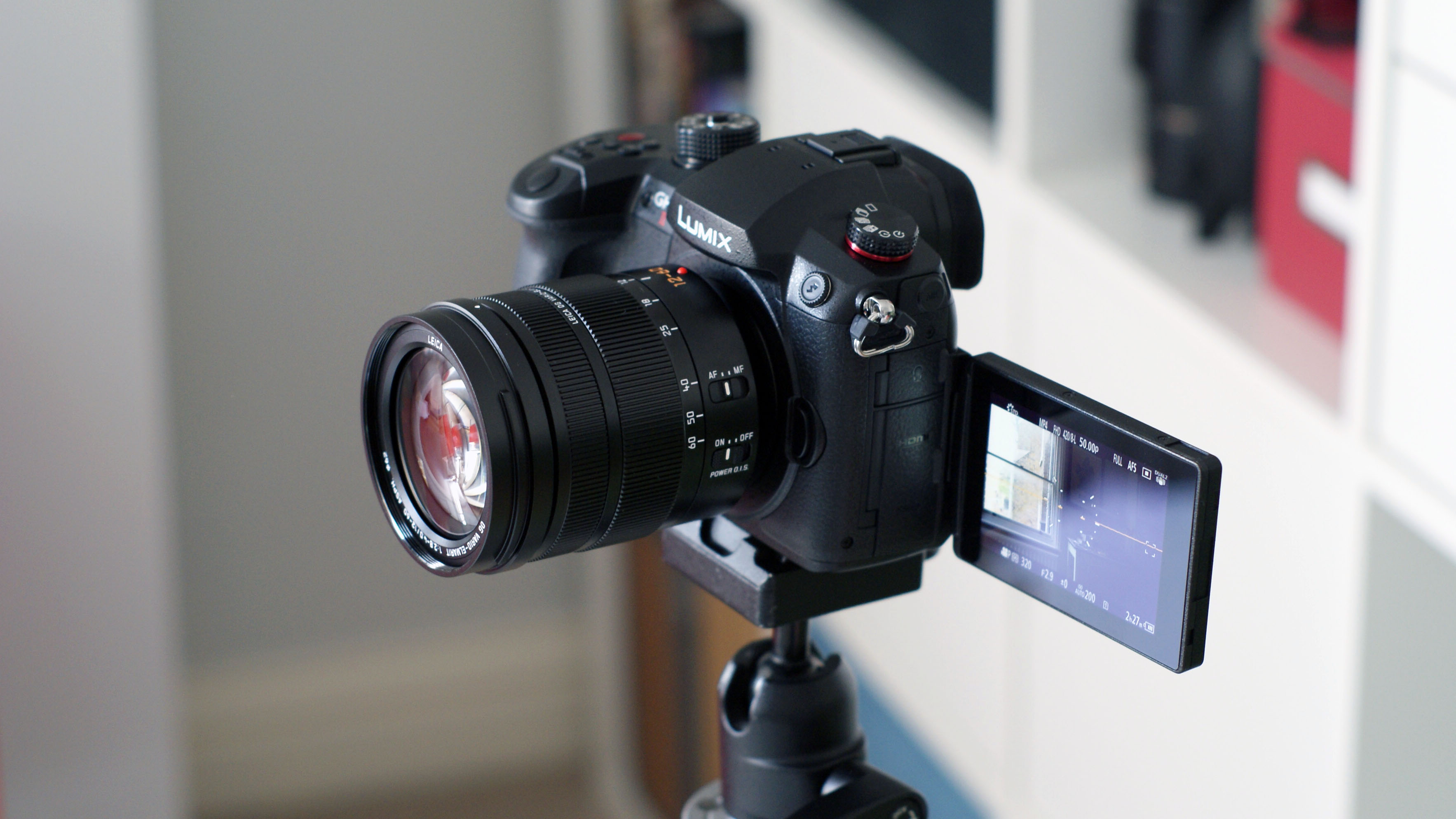
The original Panasonic GH5 was a legendary camera thanks to its combination of class-leading 4K video specs and relatively small, affordable body with IBIS. The GH5 Mark II doesn't make big improvements to this existing formula, but it does add one particularly useful trick: wireless live streaming.
With the Panasonic GH6 already on the horizon and likely to be the true upgrade to the GH5 from a video quality standpoint, live streaming is really the focus of the GH5 Mark II – and it works well. Streaming to YouTube and Facebook is pretty simple thanks to the built-in options inside the Lumix Sync app, but you can also stream to others like Twitch thanks to its support for the standard RTMP/RTMPS protocol.
Streaming quality is limited to 1080/60p and the GH5 Mark II's autofocus still lags behind the best, but it's perfectly serviceable in most situations and the camera's other specs (in-body image stabilization, an articulating screen, plus a huge array of video shooting options) make it one of the best vlogging cameras around, particularly if you fancy dabbling with the live element.
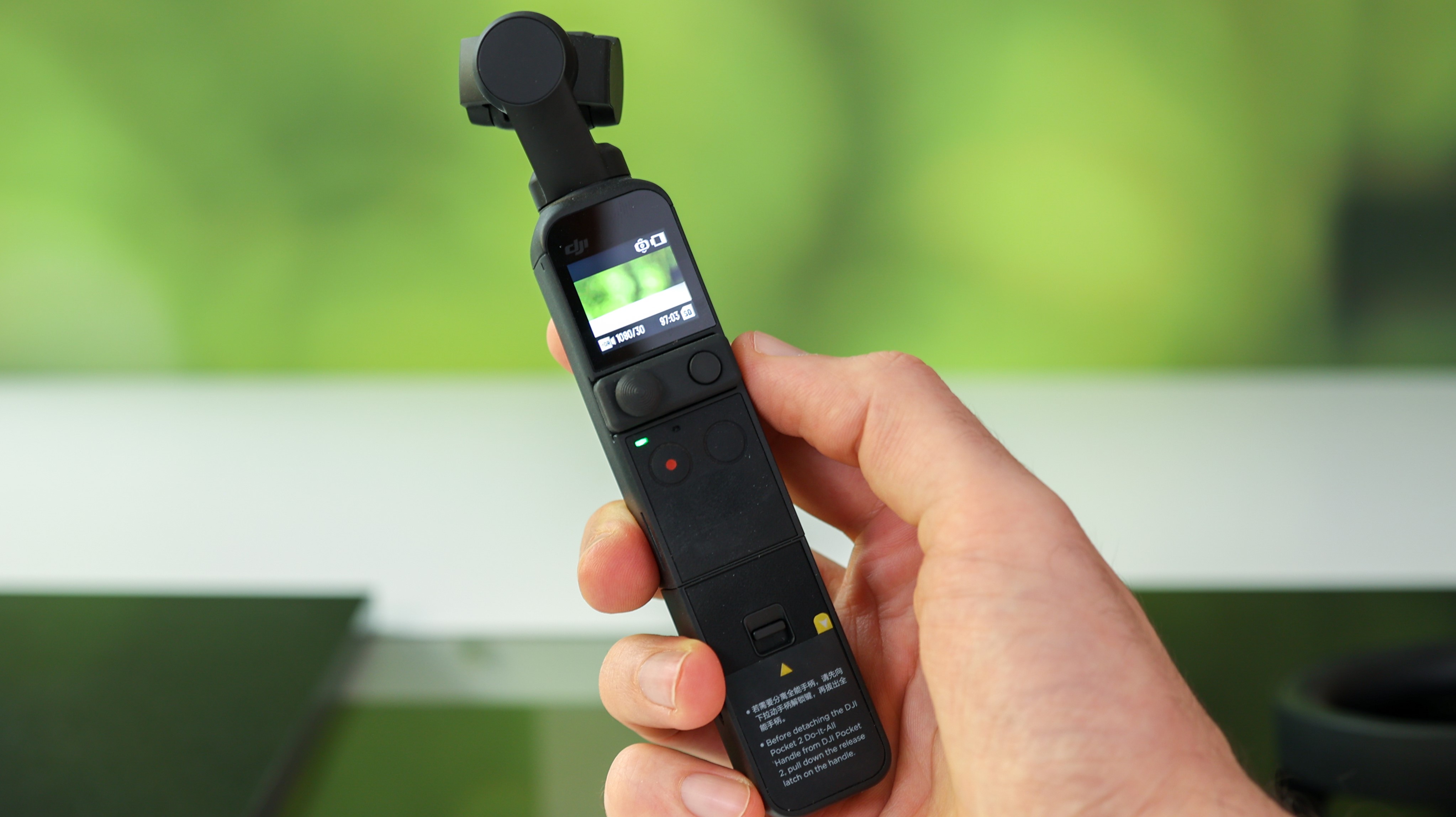
Type: Compact | Sensor size: 1/1.7-in | Resolution: 64MP | Effective focal length: 20mm | Viewfinder: None | Connectivity: Wi-Fi | Max movie resolution: 4K 60p | Size, weight: 124.7 x 38.1 x 30.0 mm, 117g
We were big fans of the original DJI Osmo Pocket, but this sequel fixes a lot of its limitations and makes it the best compact option around for solo filmmakers. The Sony ZV-1 (above) trumps it for outright video quality, but if you tend to shoot a lot of walk-and-talk style clips to camera, then the Pocket 2's combination of a three-axis gimbal and solid face-tracking could make it more appealing.
Compared to the Osmo Pocket (which remains on sale as a more affordable alternative), the DJI Pocket 2 brings a new larger sensor, a brighter lens, improved microphones and wider field of view, which means you don't have to hold it out at arm's length when talking to camera.
Plonk it down on a tripod base or surface, and it'll turn to keep you in shot as you walk around in front of it. Despite that larger sensor, the Pocket 2 still isn't the ideal camera for low light situations or high contrast scenes, but it's a very nice upgrade on using your phone in a gimbal and the improved four-mic audio setup means you get some very decent sound quality to match.
Type: Mirrorless | Sensor size: APS-C | Resolution: 24.2MP | Effective focal length: N/A | Viewfinder: None | Monitor: 3.0-inch vari-angle touchscreen, 921k dots | Connectivity: Wi-Fi, Bluetooth | Max movie resolution: 4K 30p | Size, weight: 115.2 x 64.2 x 44.8mm, 343g
Great autofocus
Compact form factor
Relatively affordable
Rolling shutter while panning
No 4K/60p mode
No viewfinder or IBIS
Looking for a compact vlogging camera, but one with more flexibility than the Sony ZV-1 or DJI Pocket 2? The ZV-E10 could well be your best option. It's based on the relatively old hardware of the Sony A6100, hence the relatively affordable price tag, but brings lots of video-focused features that make it a good alternative to the ZV-1 if you fancy changing lenses and focal lengths for different effects.
The ZV-E10 is based on the same 24.2MP APS-C CMOS sensor as many of its A6000-series stablemates, which is both good and bad news. It's a large sensor that produces impressive video and photo quality for the price, particularly in low light when compared to its smaller sensor rivals. But it does have rolling shutter issues (that 'jello' effect) when you pan quickly, and the camera does also lack a viewfinder, a 4K/60p mode and in-body image stabilization.
Still, there is an electronic SteadyShot to smooth handheld jitters, along with great software features like 'Product Showcase' that we saw on the ZV-1. The ZV-E10's autofocus is also best-in-class at this price, so if you don't mind those aforementioned limitations and want to flexibility of interchangeable lenses, it's a great new option for vloggers.
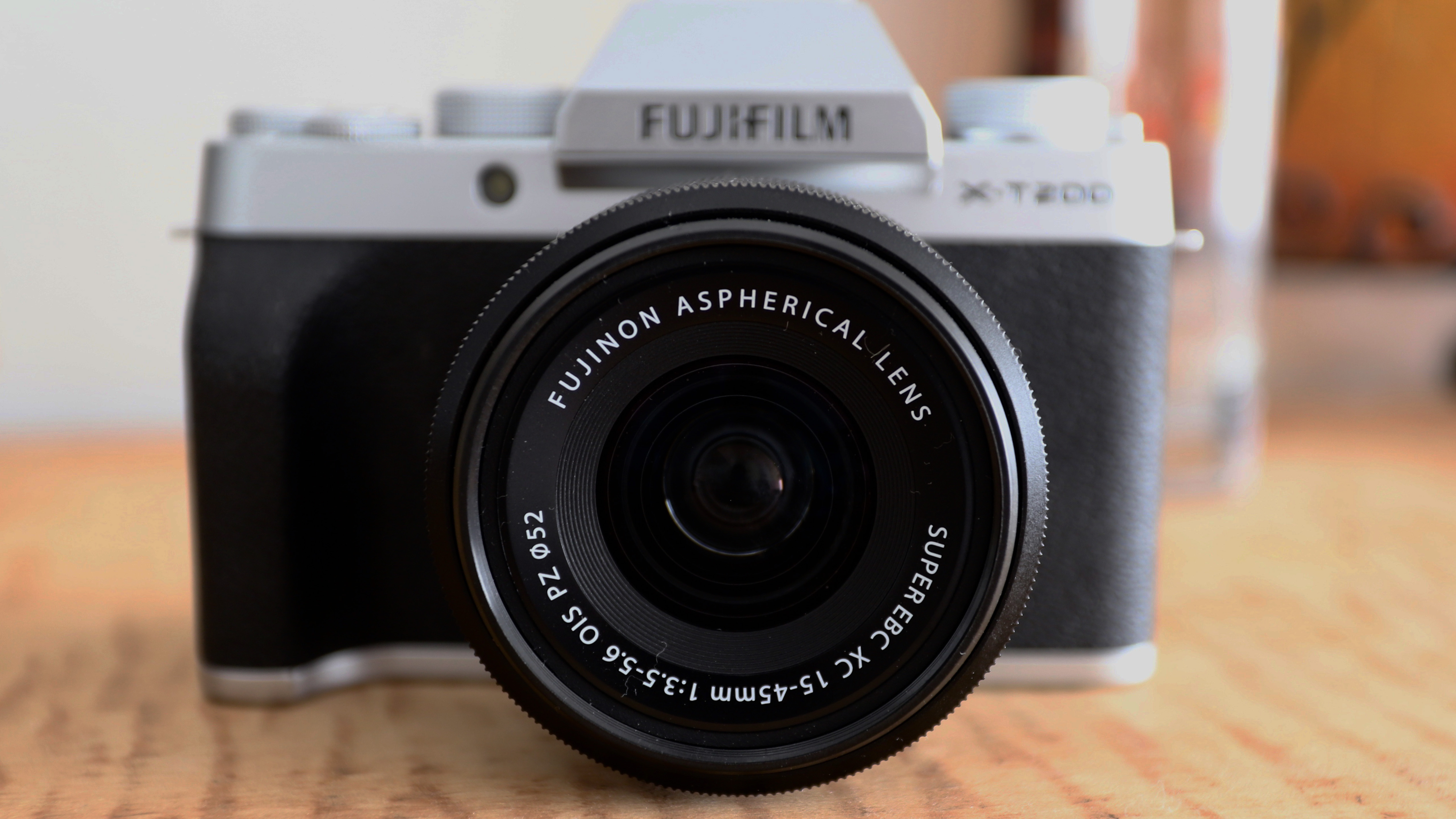
Type: Mirrorless | Sensor size: APS-C CMOS | Resolution: 24.2MP | Effective focal length: N/A | Viewfinder: EVF, 2.36 million dots | Monitor: 3.5-inch vari-angle touchscreen, 2.76 million dots | Connectivity: Wi-Fi and Bluetooth | Max movie resolution: 4K | Size, weight: 121 x 84 x 55mm, 370g
Lightweight retro design
Sharp 3.5-inch touchscreen
No video subject tracking
No digital gimbal at 4K
Fujifilm’s X-T200 is an attractive entry-level camera with plenty to offer for vloggers. Featuring the familiar retro styling of the X-series, the X-T200 is equipped with a 24.2MP APS-C sensor that captures uncropped 4K video at 30p by ‘downsampling’ from 6K footage. The results are impressively detailed and notably more dynamic than the camera’s 1080p efforts. It's a slight shame that digital image stabilization only works in Full HD, but use a lens with built-in IS and you won't miss it too much.
While the X-T200 can capture 1080p footage at up to 120fps, the new HDR video mode (which combines multiple frames to enhance dynamic range) is only offered up to 60fps. Despite these small quibbles, the X-T200 is brilliant to shoot with. The 3.5-inch vari-angle touchscreen is fantastically sharp and makes framing a joy, while a 3.5mm mini stereo input and USB-C port add welcome versatility. It’s a shame that subject tracking can’t be used for video, but the X-T200 is a versatile and capable vlogging option all the same and one of the best at its price.
Lightweight and feature-packed, this is still a great vlogging tool
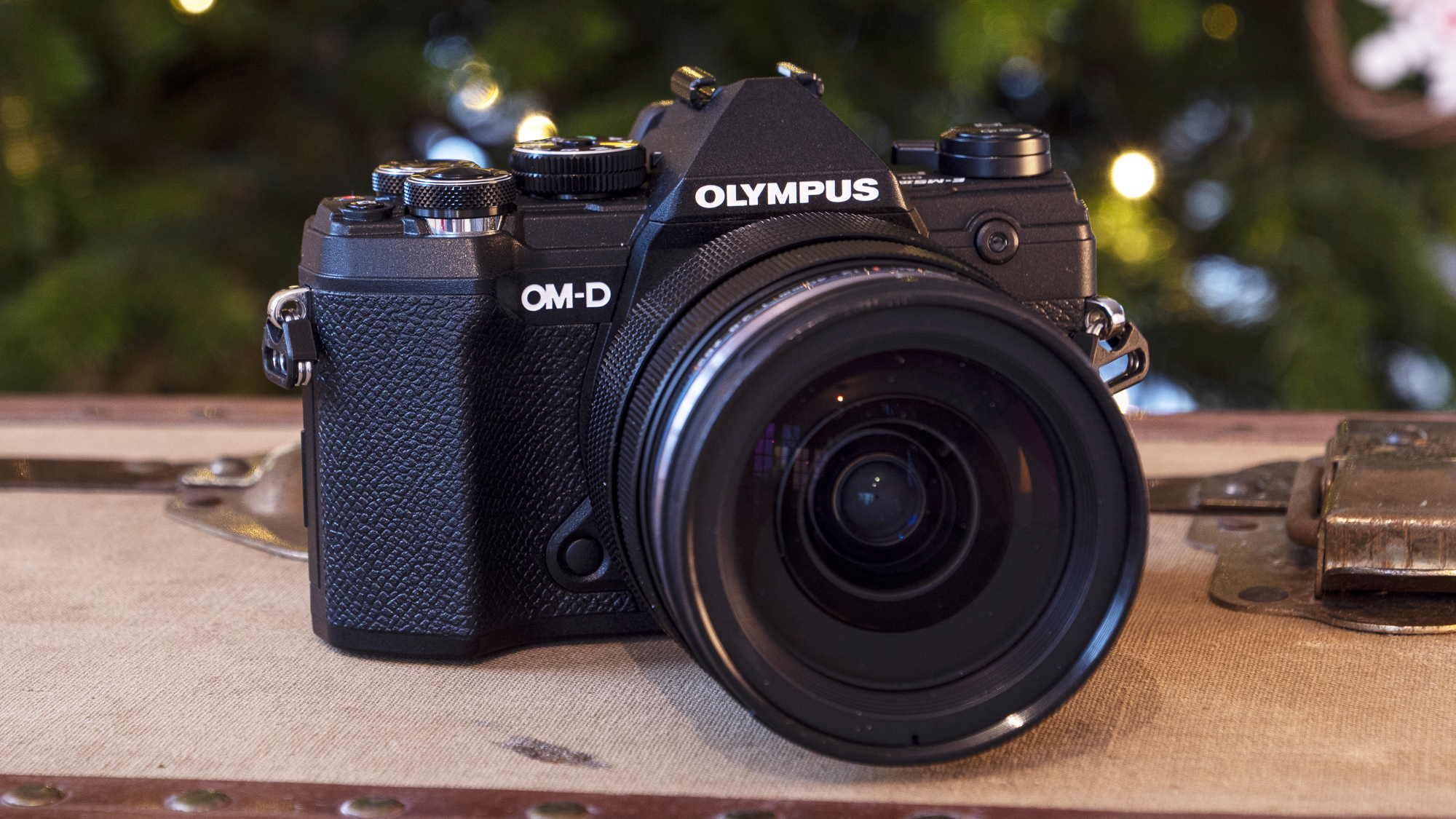
Type: Mirrorless | Sensor size: Four Thirds: | Resolution: 20.4MP | Effective focal length: N/A | Viewfinder: EVF, 2.36 million dots | Monitor: 3.0-inch vari-angle touchscreen, 1.04 million dots | Connectivity: Wi-Fi, Bluetooth | Max movie resolution: 4K 30p | Size, weight: 125.3 x 85.2 x 49.7mm, 414g
Seriously impressive video specs
Incredible image stabilisation
Hand grip could be bigger
No headphone jack
Don’t be fooled by the retro shell: the Olympus OM-D E-M5 Mark III is a top-spec vlogging camera, offering the ultimate combo of solid image quality, lightweight build and a comprehensive feature set. The hand-grip could be bigger, but the polycarbonate construction shaves 50g off the weight of its metal-bodied predecessor, making it a camera you can comfortably hold all day. The 20.4MP Four Thirds sensor – shared with the pro-grade E-M1 Mark II – delivers reliable continuous tracking thanks to on-chip phase detection autofocus, while handheld footage is usually super smooth, courtesy of class-leading image stabilization.
The option to shoot Cinema 4K at 24fps and a 237Mbps bit-rate is seriously impressive, while regular 4K footage at 30fps is routinely excellent, with lovely color rendition and good detail. Full HD at up to 120fps completes a comprehensive video offering. The vari-angle touchscreen makes framing a cinch, too, while the healthy Olympus lens catalogue opens up plenty of creative avenues. There’s no headphone jack, which will irk some videographers, but that sought-after external microphone port is there. Sure, it’s a bit expensive, but as a complete vlogging package it’s tough to beat.
Type: Mirrorless | Sensor size: APS-C CMOS | Resolution: 24.1MP | Effective focal length: N/A | Viewfinder: EVF, 2.36 million dots | Monitor: 3.0-inch vari-angle touchscreen, 1.04 million dots | Connectivity: Wi-Fi, NFC and Bluetooth | Max movie resolution: 4K | Size, weight: 116 x 88 x 59mm, 390g
Vari-angle touchscreen
Excellent Dual Pixel Autofocus
Heavily cropped 4K video
Limited native lenses
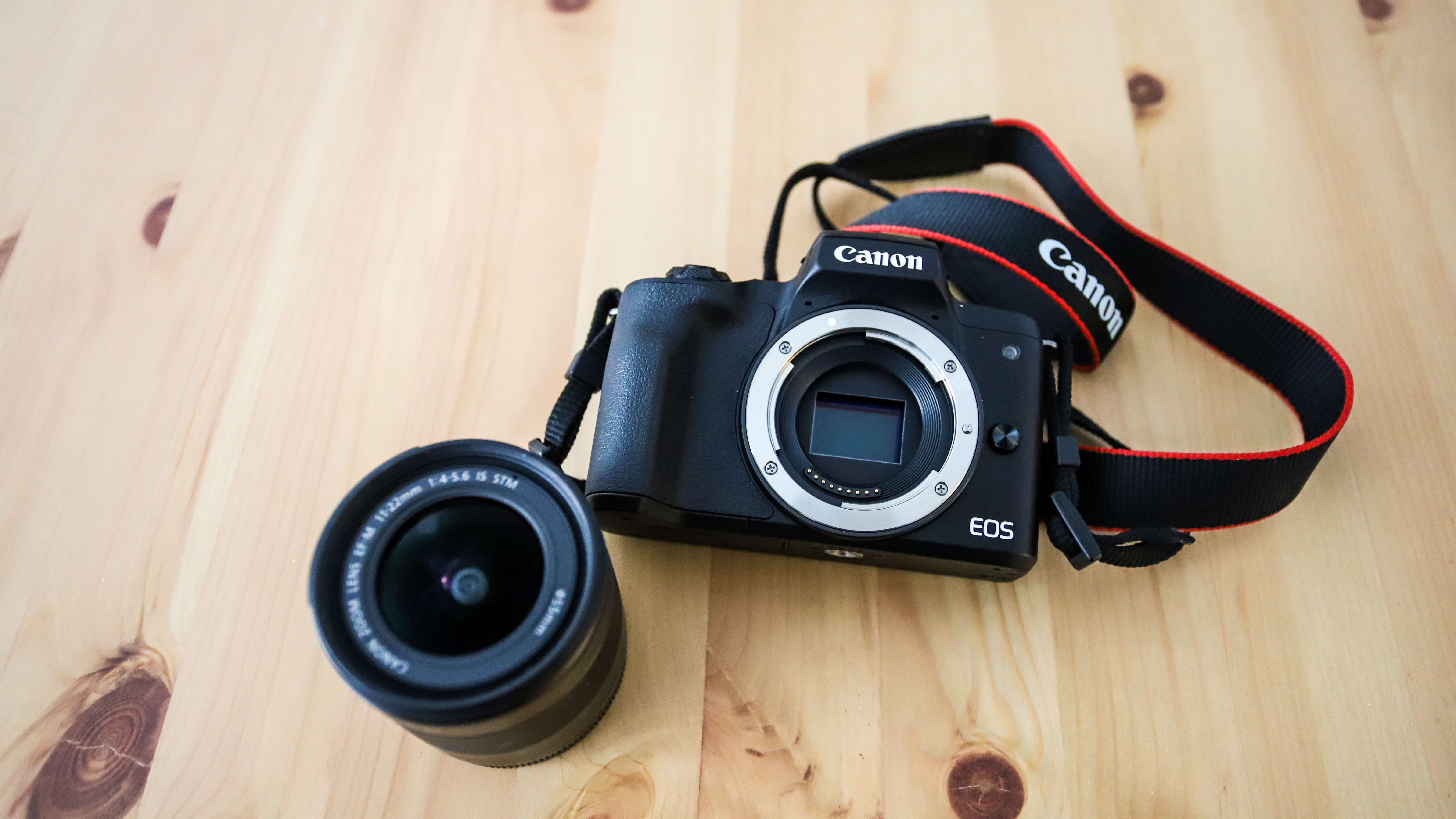
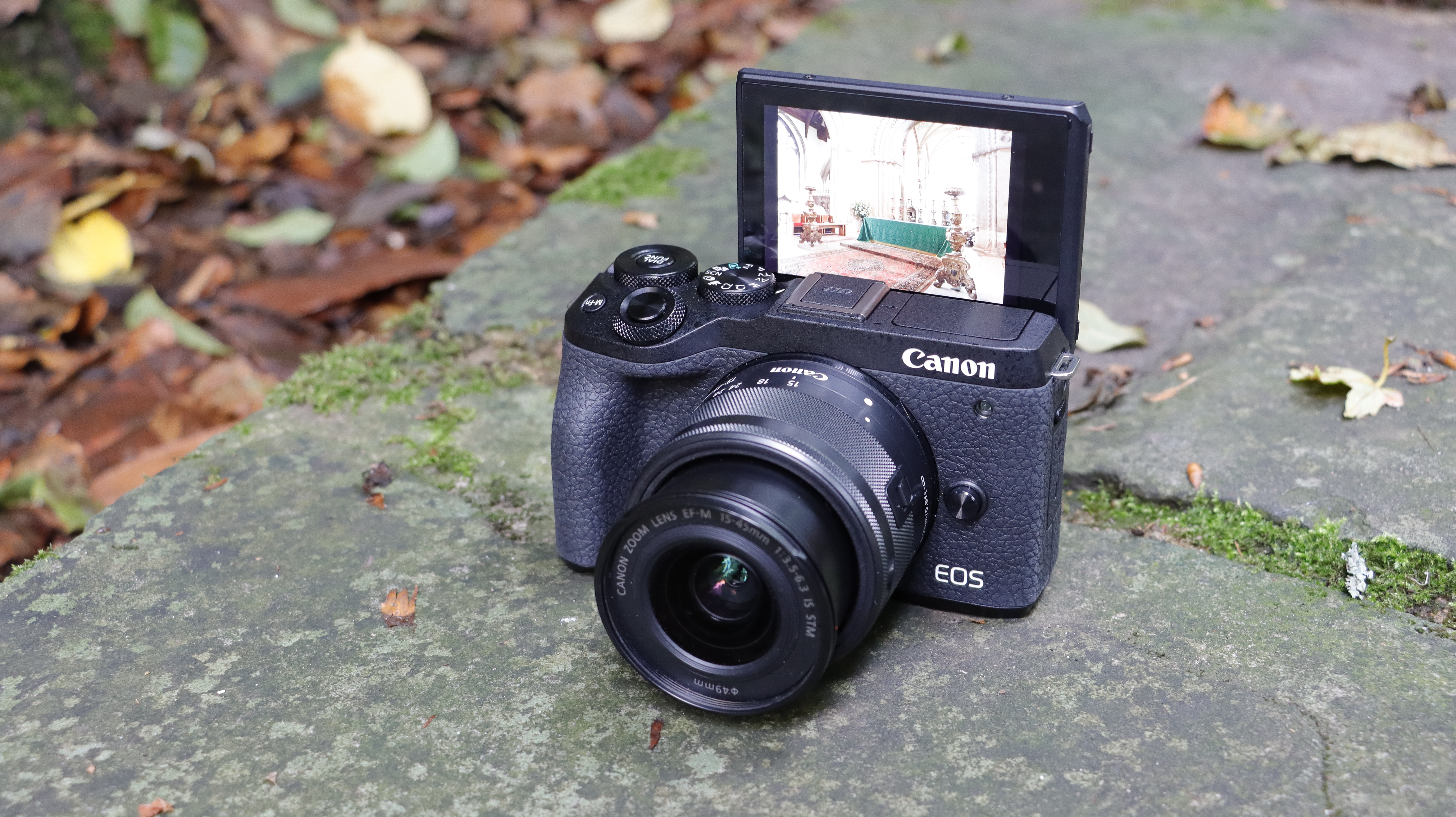
It's a shame Canon didn't make the EOS M50 Mark II a bigger update to its EOS M50 predecessor, but it remains a good 1080p video option for anyone who's starting out on their vlogging journey. The main updates it brings are Eye AF for stills and video, which works well for an entry-level model, and the option of shooting vertical video for the likes of Instagram.
The main drawback of the EOS M50 Mark II is its heavy 1.56x crop on 4K video, which it inherits from its predecessor. This crop increases to a massive 1.75x if you turn on digital image stabilization – so if shooting 4K video is your main priority, we'd recommend going for the Canon EOS M6 Mark II instead (see further down). But if you're happy with shooting 1080p video, then the M50 Mark II remains a fine option, thanks to its combination of a large 24.1MP APS-C CMOS sensor, vari-angle touchscreen, microphone input and that compact form factor.
Sensor size: APS-C | Resolution: 26.1MP | Viewfinder: 3,690K dots | Monitor: 3.0-inch tilt-angle touchscreen, 1,620K dots | Autofocus: 425-point AF | Maximum continuous shooting rate: 15fps (mechanical shutter), 30fps (electronic) | Movies: 4K at 60p | User level: Intermediate
Superb image quality
IBIS a big bonus for video
No headphone jack
Video recording limit
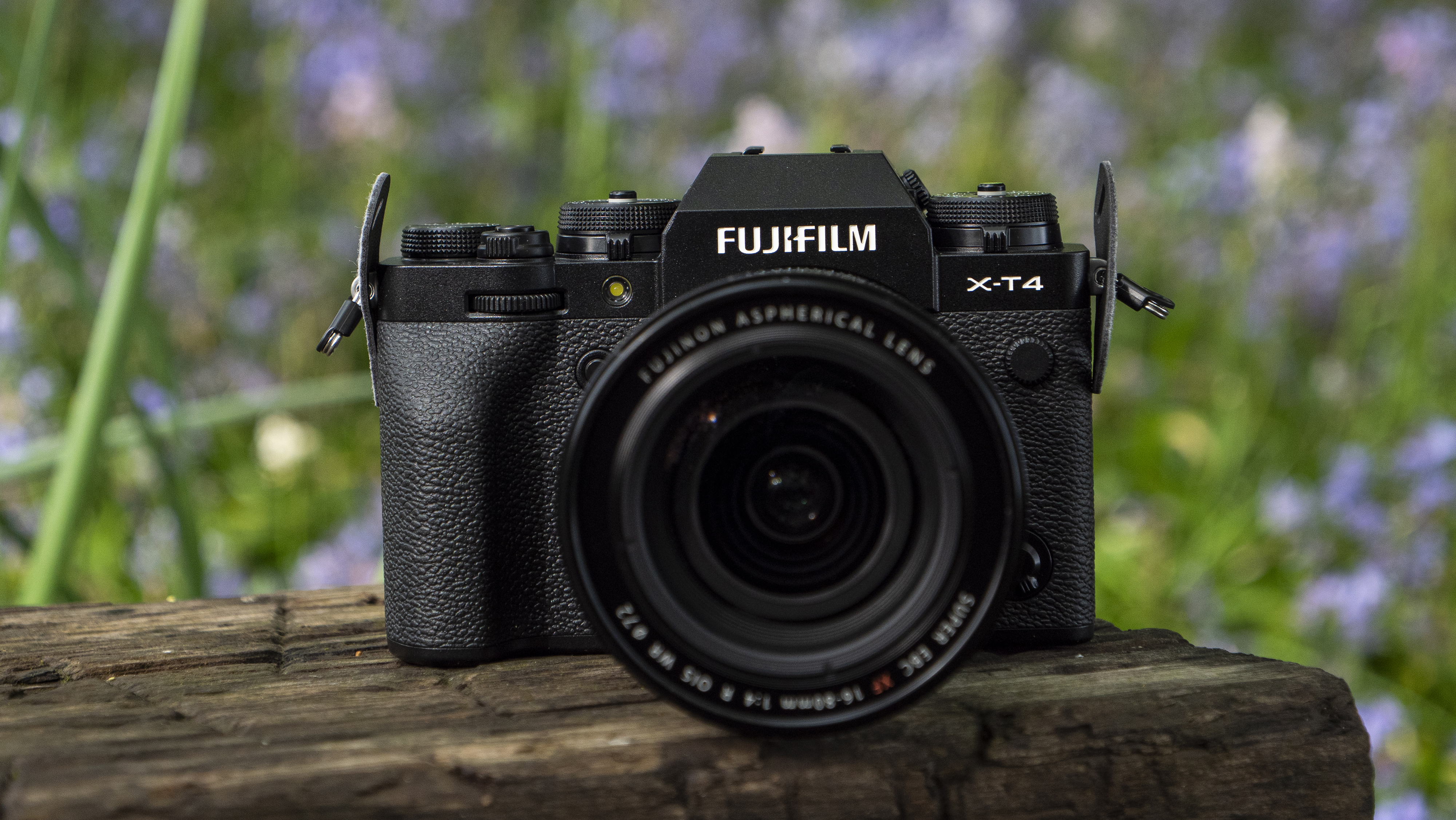
If video quality is your priority, then it's hard to beat the Fujifilm X-T4 as a vlogging all-rounder. Sure, some full-frame cameras can still edge it for dynamic range and high ISO performance, but it's not a huge gap and the X-T4 offers a smaller overall setup that's ideal for travel. One of the best hybrid shooters around, the X-T4 brings significant upgrades on the X-T3 that include in-body image stabilization (IBIS), a bigger battery and improved autofocus. The latter is quick and reliable for both stills and video, though you'll preferably want to use it with some of Fujifilm's more recent glass, like the XF16-80mm f4 R OIS, for the best results. With a microphone input, front-facing screen, weather-sealing and the ability to shoot Cinema 4K videos up to 60fps, the X-T4 is a great all-round vlogging option for those who want a camera that can take care of both their stills and video needs.
Type: Action | Sensor size: 4.5 x 6.2mm | Resolution: 12MP | Effective focal length: 16-27mm | Viewfinder: None | Monitor: 2.0-inch touchscreen | Connectivity: Wi-Fi, Bluetooth | Max movie resolution: 4K 60p | Size, weight: 66.3 x 48.6 x 28.4mm , 126g
5K video
Superb stabilization
Front-facing display
Unresponsive touchscreen
Still no 4K/120p mode
GoPro’s action cameras have long been popular with vloggers. And while it might have some rough edges, the Hero 9 Black is GoPro’s most powerful and versatile effort to date – even if older models offer better value.
A new 23.6MP sensor is capable of shooting 5K/30p video and, in the right conditions, can capture more detail than any GoPro so far. But the bigger news is that the most powerful HyperSmooth Boost stabilization mode can now shoot silky smooth and stable footage at all resolutions and frame-rates.
The other headline feature is the fresh front-facing color display. Though it’s a little laggy, the second screen is a boon for vloggers, offering an easy way to ensure their face stays the frame. The square aspect ration means it isn’t a true preview, but it’s nevertheless a useful for addition for those shooting pieces to camera.
Other upgrades are less dramatic: battery life is marginally improved, while new Power Tools introduce a handful of neat software recording tricks. Wind noise is handled better, too, with enhanced voice isolation. It’s not flawless – the rear touchscreen is disappointingly unresponsive – but the GoPro Hero 9 Black is the best rugged vlogging camera you can buy.
A tiny but versatile vlogging camera with a very clever case
Type: Action | Sensor size: 1/2.3in | Resolution: 9.2MP | Effective focal length: 11.24mm | Viewfinder: None | Monitor: None | Connectivity: Wi-Fi, Bluetooth | Max movie resolution: 1440p at 50fps | Size, weight: 68.1 x 48.5 x 26.5mm, 63.5g (Charge Case)
Improved image quality
Charging case works as a remote/tripod
No display for framing
Stabilization not as good as GoPro
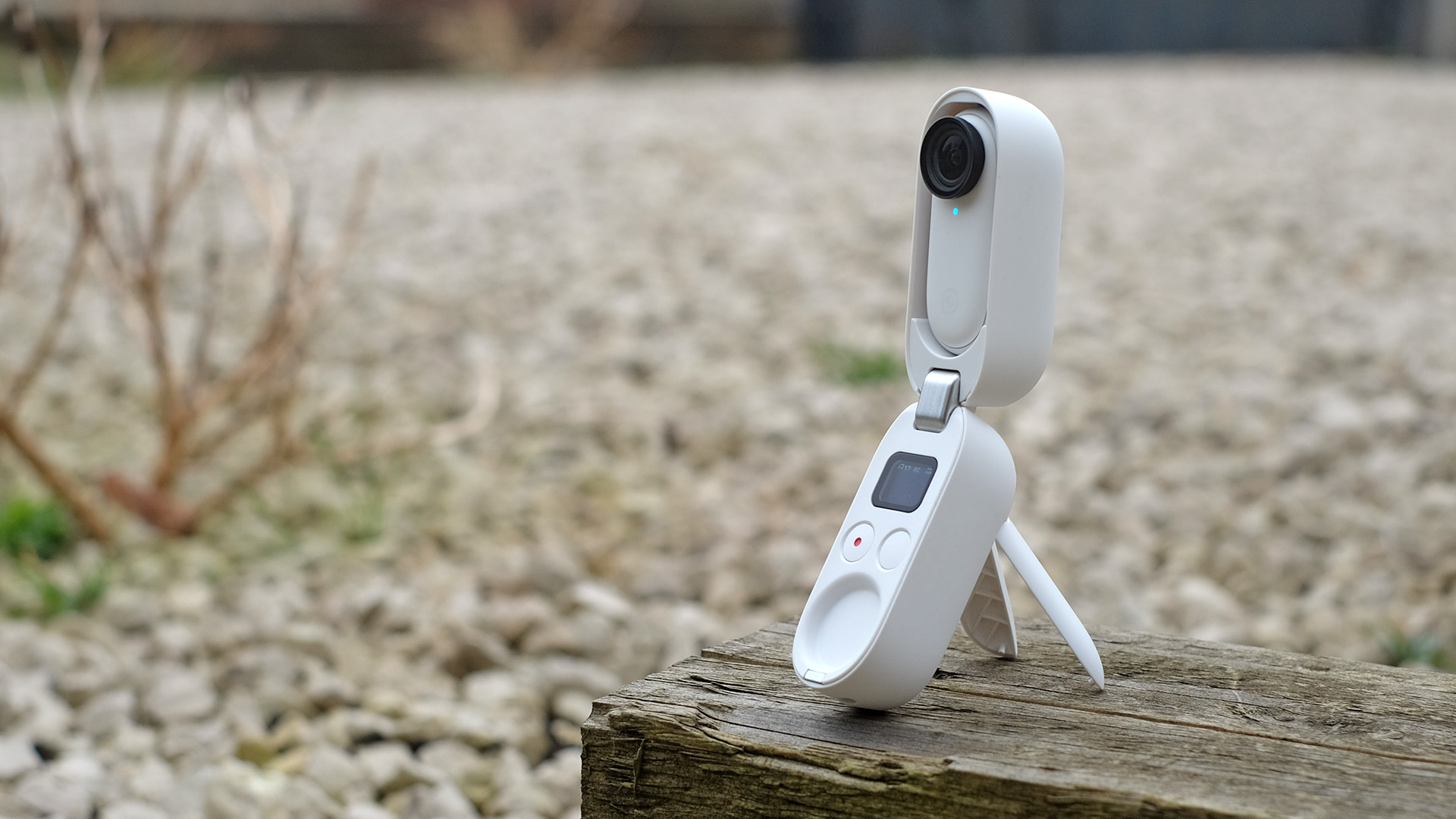
Few cameras offer the vlogging portability of the Insta360 Go 2. Hitting the scales at a mere 26.5g, the camera itself is a tiny, pared-back pebble that’s capable of capturing detailed and dynamic 1440p footage at up to 50fps. Stabilization isn’t up to GoPro standards, but the FlowState software does a reasonable job of mitigating walking motion, especially if you process video with your laptop rather than the Insta360 app. There’s no display on the camera itself, which will be a dealbreaker for some, but the app can be used for a wireless video preview.
More useful, though, is the protective charging case: home to two buttons and an OLED readout, the controls and camera face the user when the Insta360 Go 2 is docked, making it an ideal handheld vlogging setup. The case also features fold-out legs for tripod duties and works as a remote for wireless camera control. At 30 minutes, battery life isn’t the best, but with a single microphone that renders vocals with decent punch and clarity, the Insta360 Go 2 is an easy, properly pocketable option for recording quick clips and vlogs on the go.
A portable full-frame camera with excellent video specs
Type: Mirrorless | Sensor size: Full-frame | Resolution: 24.2MP | Effective focal length: N/A | Viewfinder: EVF, 2.36 million dots | Monitor: 3.0-inch articulating touchscreen, 1.84 million dots | Connectivity: Wi-Fi, Bluetooth | Max movie resolution: 4K/30p | Size, weight: 132.6 x 97.1 x 81.9mm, 714g
Compact and lightweight
Outstanding video specs
No full-sized HDMI port
Autofocus isn’t best-in-class
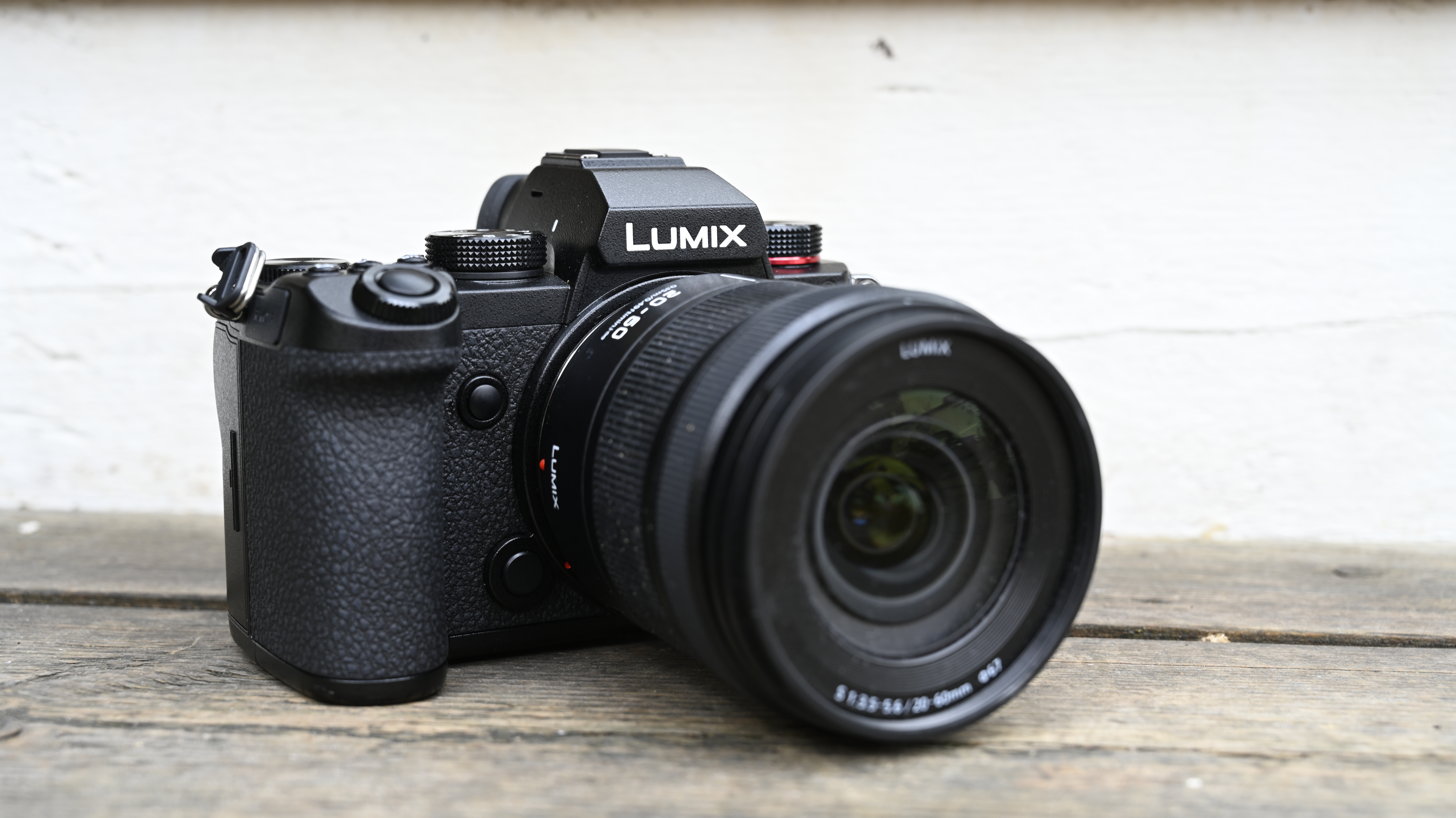
Offering full-frame performance in a Micro Four Thirds body, the Panasonic Lumix S5 is a fantastic hybrid that should appeal to a wide variety of creators.
Smaller and lighter than the GH5 yet equipped with a full-frame mirrorless sensor, the Lumix S5 sits extremely comfortably in the hand and features a comprehensive array of buttons and dials. And vloggers will welcome the arrival of a fully articulating touchscreen which can flip out to face forwards.
In fact, the S5 offers plenty to lure in video creators. It can capture 10-bit 4K internally, cropped 4K at 60p and uncropped 4K at 30p. It also supports V-Log, time-lapses, dual native ISO and anamorphic 4K. In-body image stabilization keeps things nice and smooth and, although the autofocus is still contrast-based, the AF-C setting is more than capable of following subjects while walking and talking.
The only real compromise – besides a 30-minute limit on 10-bit clips – is the inclusion of a Micro HDMI port, rather than a full-size one. And it might be worth considering a second battery if you’ll be recording all day. But with Wi-Fi and Bluetooth on-board, as well as a 20-60mm kit lens that’s ideal for video, the S5 should tick almost every box for vloggers.
Still a fine pocket vlogging camera, despite the arrival of the Sony ZV-1
Type: Compact | Sensor size: 1.0-type | Resolution: 20.1MP | Effective focal length: 24-100mm | Viewfinder: None | Monitor: 3.0-inch tilt-angle touchscreen | Connectivity: Wi-Fi, NFC | Max movie resolution: 4K | Size, weight: 105.5 x 60.9 x 41.4mm, 304g
Tilting touchscreen
Effective stabilization
Mic input
No viewfinder
Long popular with vloggers, Canon’s G7X range has kicked it up a notch with the Mark III. There’s a very capable 20.1 megapixel one-inch sensor, but now it’s also equipped with uncropped 4K video recording, along with something that's been requested many times – a microphone socket.
This means you can elevate the sound above and beyond the internal mic’s offering, if you want to. Even better, the G7X III can stream directly to YouTube – which is, right now, an advantage over the Sony ZV-1 – so you can live vlog whatever’s happening around you, without having to downgrade to using your smartphone. USB charging is another great feature which means you can give it power bursts on the go – particularly prudent if you’ve been shooting a lot of 4K video.
The G7X Mark III's contrast detection-only AF and more limited tilting screen mean it's been nudged down this list by the Sony ZV-1, but it's also more affordable and is still well worth considering if you need a pocket vlogging rocket.
Type: Mirrorless | Sensor size: Micro Four Thirds | Resolution: 20.3MP | Effective focal length: N/A | Viewfinder: EVF, 3.68M dots | Monitor: 3.0-inch articulating touchscreen, 1.84M dots | Connectivity: Wi-Fi, Bluetooth | Max movie resolution: 4K 30p | Size, weight: 115.6 x 82.5 x 54.2mm, 345g
Compact design
Video-focused feature set
Smaller sensor than some rivals
4K video is cropped
Touted by Panasonic as “the ultimate vlogging camera”, budding videographers are bound to love the G100’s compact form. Built small and light for portability, it’s the world’s smallest camera with an articulating touchscreen. And despite its size, the G100 is also packed with video-focused features.
As you’d expect, there’s 4K/30p video recording – albeit with a crop that limits its use as self-recording tool – as well as an arsenal of useful social media tools, including a video selfie mode, a sharing frame marker and a dedicated button for transferring footage to your smartphone.
Most significant, though, is the new audio system: a first on a mirrorless camera, Ozo Audio by Nokia uses three microphones to pick up sound wherever it’s coming from – including from behind – and it does an excellent job of prioritizing audio, even in noisy situations.
The 20.3MP sensor produces vibrant, detailed footage in most conditions, struggling only in low light. And, while image stabilization isn’t as smooth as you’d get with a gimbal, the five-axis hybrid system is still suitable for everyday recording. Add a real-world battery life of 40-45 minutes video shooting and you’ve got an attractive vlogging option.
A travel-friendly CSC is great for video for many different reasons
Type: Mirrorless | Sensor size: APS-C | Resolution: 32.5MP | Effective focal length: N/A | Viewfinder: Not inbuilt | Monitor: 3.0-inch vari-angle touchscreen | Connectivity: Wi-Fi, NFC, Bluetooth | Max movie resolution: 4K 30p | Size, weight: 119.6 x 70 x 49.2mm, 408g
Small and light weight
Great tilt-up touchscreen
No built-in viewfinder
Relatively few native lenses
Canon really is the king of vlogging cameras, with several making our list thanks to a fantastic range of features and options. The Canon EOS Mark II is the latest iteration of its M series of compact system cameras, and is small and light enough to be a great travel companion.
However, in its miniature body, it’s housing the same high-resolution 32.5 megapixel sensor as the 90D DSLR (see below). With Dual Pixel CMOS AF and uncropped 4K video recording, it’s one you could use to kick your vlogs up a gear. There’s also a microphone input socket, plus a screen that faces all the way forward for perfect framing.
Type: Webcam | Sensor size: 1/2.8 CMOS | Resolution: 2.1MP | Effective field of view: 103/90/80 degrees | Connectivity: USB 3.0 | Max movie resolution: 1080p at 60fps
Super smooth frame rates
Intuitive to setup and use
Color issues in low light
Expensive for a webcam
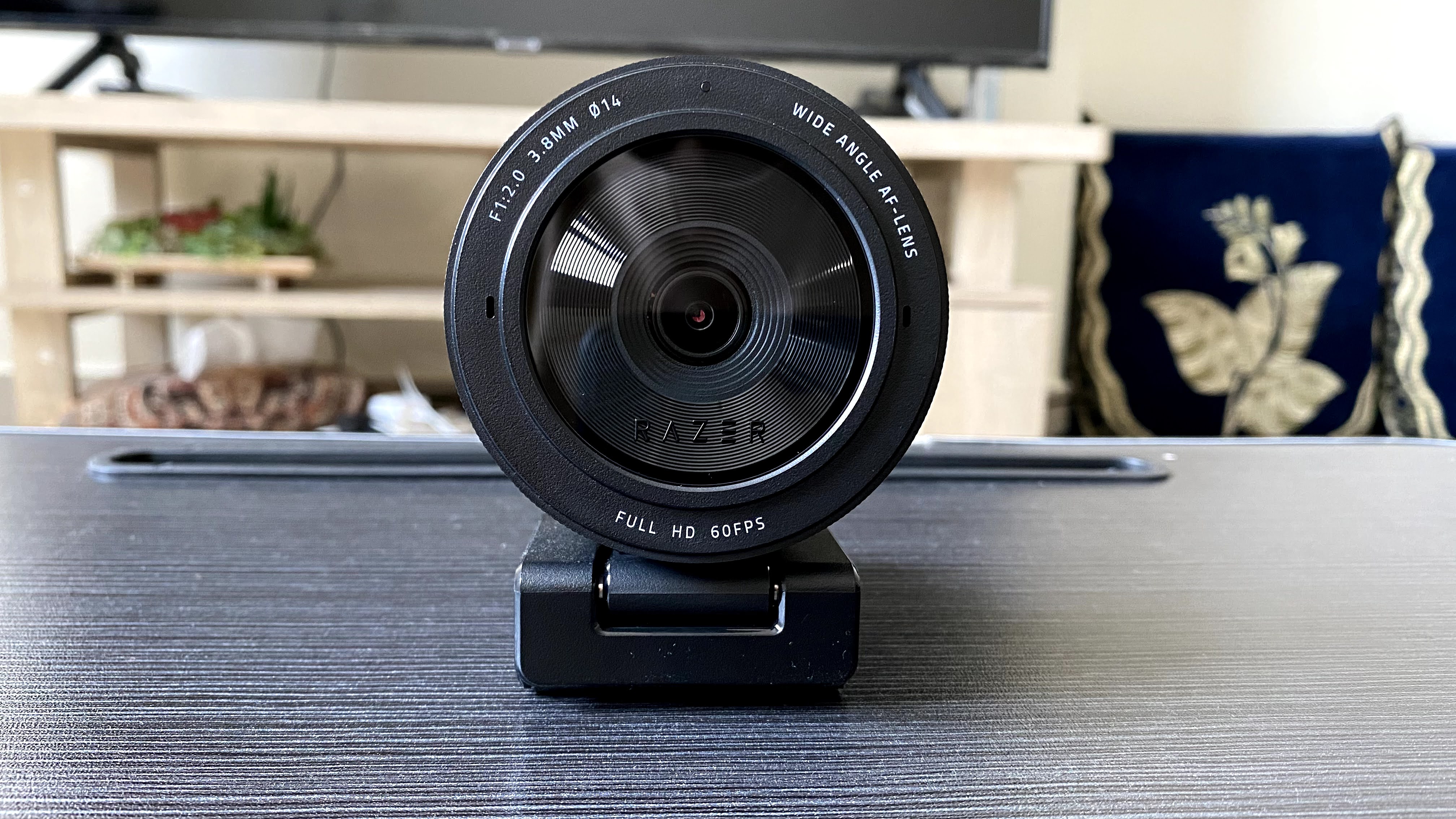
When is a webcam more than a webcam? When it’s a high-end recording option for serious streamers. Larger than your standard screen-top solution, the Kiyo Pro sizes up to accommodate a powerful sensor, plus the hardware required to capture footage at 60fps. Mimicking a DSLR lens – including an imitation zoom ring – the Kiyo Pro features no physical controls. Settings can be tweaked via Razer’s Synapse software, with three fields of view to pick between. The hinged clip mount keeps the Pro in a fixed position, but tripod support provides plenty of framing flexibility.
Although it lacks the integrated ring light seen on its standard sibling, the adaptive sensor does an excellent job of gathering light. Exposure is fantastic out of the box, while switching to HDR mode (which limits frame rate to 30fps) enhances the balance of highlights and shadows. Color correction can occasionally go haywire if your recording room features low ambient hues, but this is easily fixed by briefly shining a brighter light. For superlative frame rates and uncompromising quality, look no further.
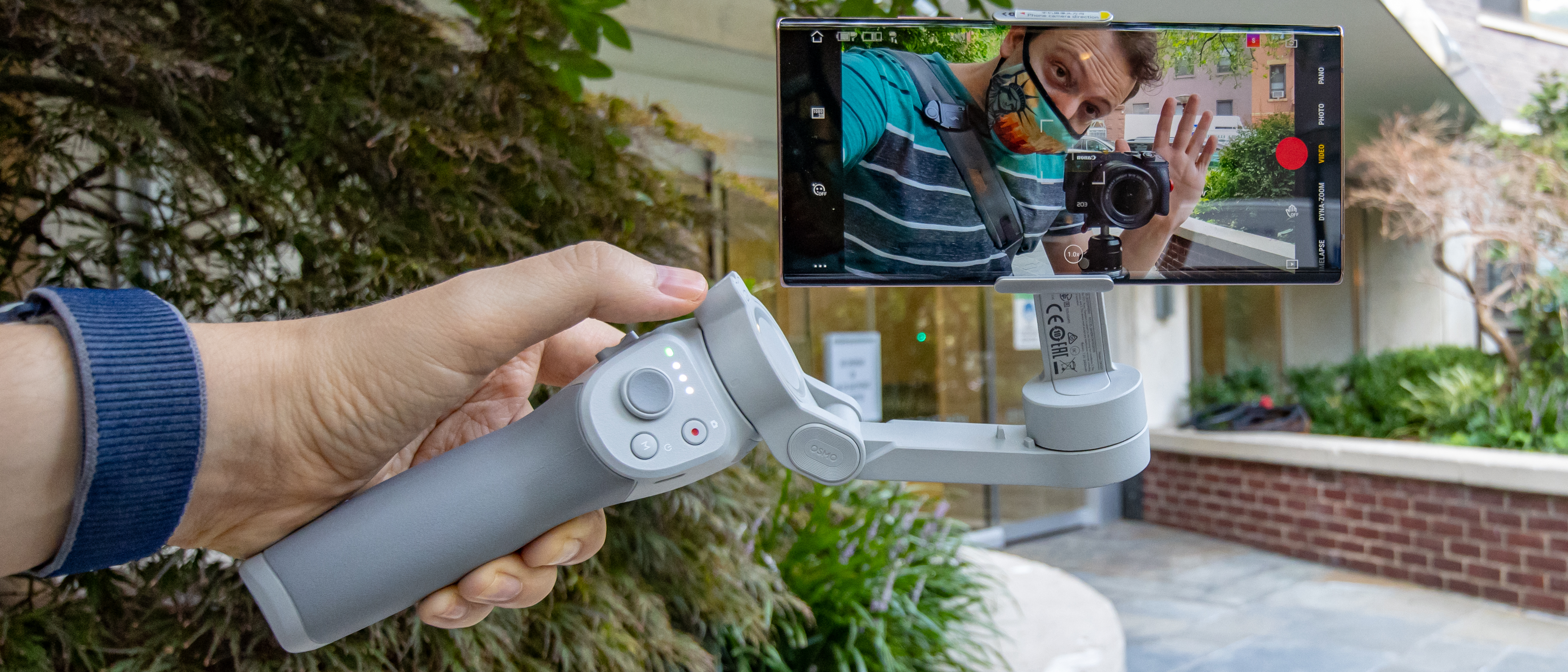
Type: Smartphone gimbal | Sensor size: N/A | Resolution: N/A | Effective focal length: N/A | Viewfinder: N/A | Monitor: N/A | Connectivity: N/A | Max movie resolution: N/A | Size, weight: 276 x 119.6 x 103.6mm (unfolded), 390g
Use your existing smartphone
Create smooth video footage
Easy-to-use design
Doesn't work with all phone cases
Compatible app limited
If you don’t want to invest in a dedicated camera for your vlogging, but you still want to take your footage up a notch, the DJI OM 4 is a great alternative option.
It uses a 3-axis gimbal to create smooth footage straight from your existing phone, simply by attaching it to the gimbal via magnets.
Other benefits include the ability to fold down the gimbal for easier transportation, quick release to allow you to use your phone for other things – such as making calls – without having to faff around too much with the set up.
It fits around most phones, including large models such as the Samsung Galaxy Note 20 Ultra, but it can struggle with thicker cases.
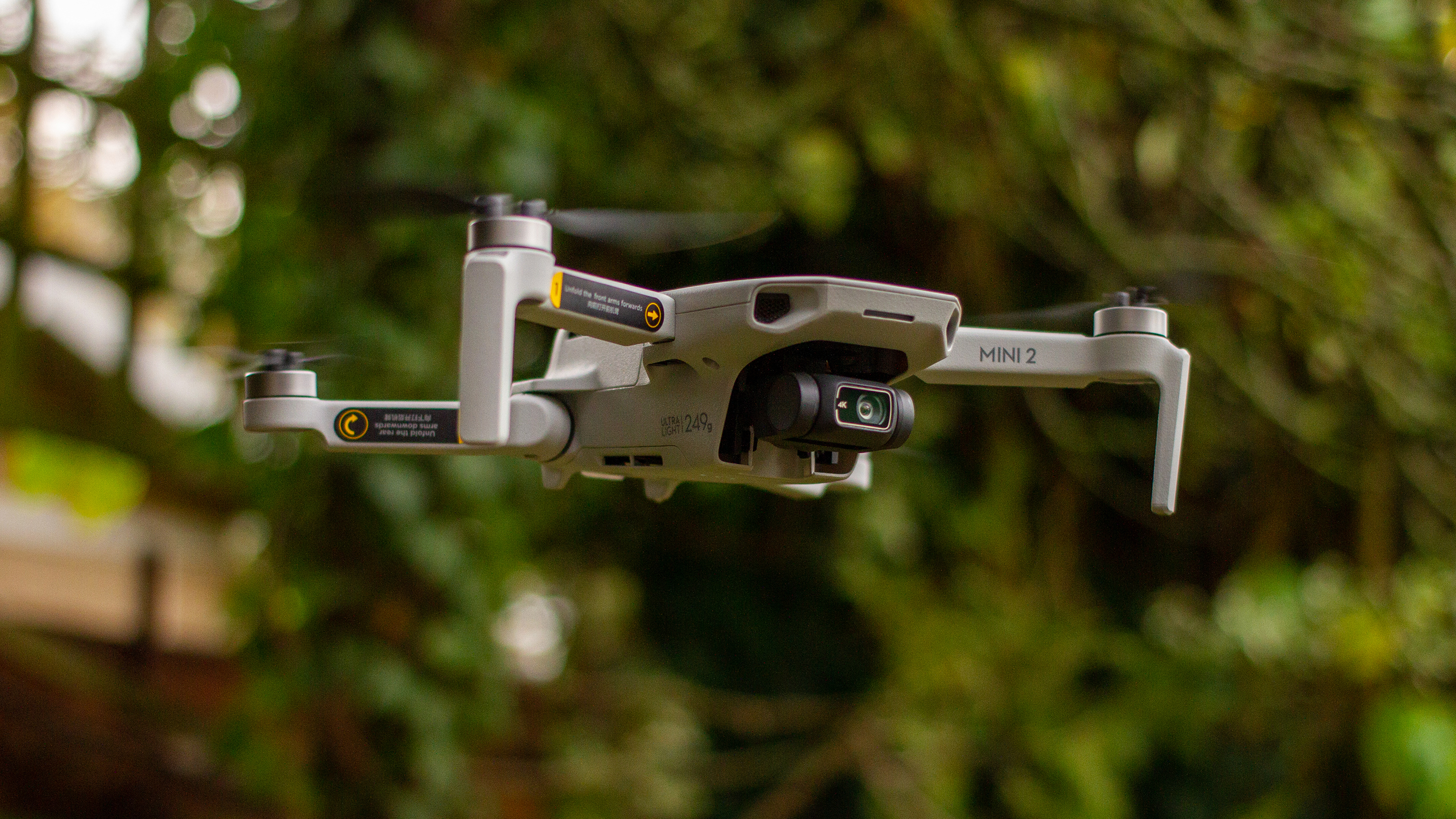
Recommended ages: 12+ | Camera resolution: 12MP | Range: 10km | Weight: 242g | Battery size: 5200mAh | Controller: Included, works with iOS/Android smartphone and DJI Fly app
Compact, convenient drone
Intuitive flight controls
No new camera hardware
No follow mode
Sometimes, an aerial shot or cut-scene can really elevate your vlogs from fairly traditional videos to something a little more visually exciting. It's by no means essential for those starting out, but for more experienced shooters a travel drone can be a very handy ally – and the best drone for this is the tiny DJI Mini 2.
Despite being small enough to slip into a jacket pocket, this drone can shoot super-smooth 4K/30p footage and has a decent flight time of around 30 minutes. A word of warning: the Mini 2 doesn't have subject-tracking, so if you're looking for something that will, for example, automatically follow you as ride your bike, then you'll likely be better off with a drone like the DJI Air 2S (or the original DJI Mavic Mini combined with the third-party Litchi app).
But otherwise, the DJI Mini 2 is a brilliant little sidekick for your main vlogging camera – and won't take up too much more room in your backpack than an extra lens.
A great mid-range travel-friendly CSC with interesting video features
Type: Mirrorless | Sensor size: Four Thirds | Resolution: 20.3MP | Effective focal length: N/A | Viewfinder: OLED Live View Finder, 2,360k dots | Monitor: 3.0-inch fully articulating touchscreen | Connectivity: Wi-Fi, Bluetooth | Max movie resolution: 4K 30p | Size, weight: 130.4 x 93.5 x 77.4mm, 533g
Smart selfie mode
Power Zoom kit lens option
No viewfinder
Only shoots 4k at 15fps
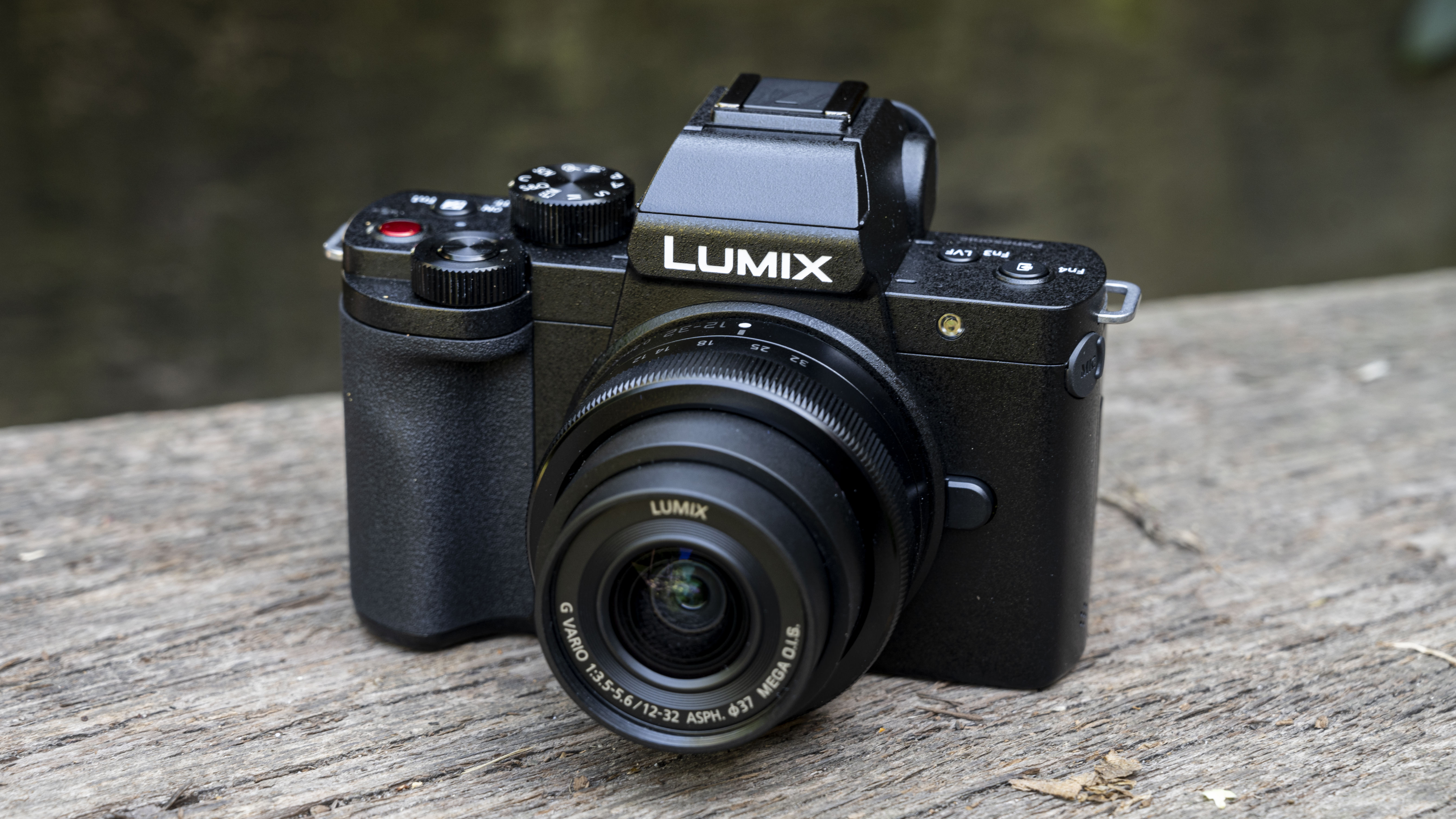
The recent arrival of the Panasonic G100 (see above) has pushed the G95/G90 down our vlogging camera pecking order a little, but it's a very different camera that will remain on sale and brings several advantages.
While it's much larger than the G100, this does mean it has room to pack in sensor-based stabilization, making it a better option for walkaround videos. The G95 / G90 also inherits the flagship Panasonic G9's sensor, and squeezes in an impressive array of video-friendly features, including microphone and headphone sockets for perfect sound.
There are tonnes of lenses available for the Micro Four Thirds system, so there’s something for every job, while the 14-140mm f/3.5-5.6 lens which you can buy it with as part of a kit as a great all-rounder for lots of different shooting scenarios. A fully-articulating touchscreen is ideal for presenting to camera, while there’s also advanced video features such as 4K shooting and V-Log recording, too. Keep an eye on the G95/G90's prices, because it could become something of a bargain.
Whatever type of camera you go for, considering video quality will likely be top of your list. At the absolute minimum you’ll be looking to shoot in Full HD (1080p), while 4K is becoming increasingly common. Although the higher resolution format will take up more space on your hard drive, it should future-proof your captures a little more than Full HD.
Other specifications to pay attention to include built-in WiFi for sharing your vlogs on the move, a fully articulating or tilting monitor for helping to frame your face, a built-in microphone socket for enhancing sound quality.
We’ve picked out eight top cameras of various shapes, sizes and attributes to suit different styles of vlogging – as well as highlighting some that will fit into your all-round stills and video shooting requirements.