The rumored DJI Avata drone has appeared in a new leaked photo that gives us a closer look at the indoor flying camera, easing recent fears about launch delays.
The photo below, posted by regular DJI leaker @OsitaLV on Twitter, is the first time we've seen the FPV (first-person view) drone in the wild, and shows a very different design from the drone king's existing models.
Unlike DJI's current Mavic, Air Mini and FPV ranges, the compact DJI Avata has guarded propellors that will help it fly safely among people and in confined spaces. This means it could be ideal for shooting aerial videos for social media, much like the recent Snap Pixy.
Avata power on! pic.twitter.com/yMOjxSHy9OJuly 24, 2022
See more
Not that the DJI Avata and Snap Pixy, which fits in your pocket and weighs only 101g, are likely to be direct rivals. For a start, the Avata is expected to be an FPV drone, which means it'll likely be flown using an included headset, rather than via your phone.
DJI's indoor-friendly drone looks similar in size to its Mini series, which means it should have room for a much better camera than the Pixy, plus all of the software smarts that DJI is known for. These are likely to include the RockSteady 2.0 and HorizonSteady stabilization seen on previous cameras like the DJI Action 2 action cam.
Electronic stabilization smarts are likely to be particularly important on the Avata, as the new leaked image appears to confirm that the drone will only have a single-axis gimbal. Other DJI drones have three-axis gimbals to ensure that aerial footage remains smooth and stable, but that's less suitable for so-called 'cinewhoop' drones that are largely designed for shooting dynamic, fast-paced indoor footage.
Recent rumors suggested that the DJI Avata's release date had been pushed back from its proposed July take-off, but the emergence of a new leaked image suggests that it's still on track for a launch soon.
Analysis: A mini, indoor-friendly DJI FPV?
DJI drones have traditionally been made for shooting epic aerial videos in the great outdoors, but these leaked Avata images suggest it could be something very different.
While it's possible to fly drones relatively close to people who are "involved in what you're doing" (in the words of the UK's Drone Code), models like the DJI Mini 3 Pro lack the built-in prop guards that will seemingly be offered by the DJI Avata.
Like the DJI FPV, the Avata will also likely be designed to shoot a very different style of video to DJI's other consumer drones. So-called 'cinewhoop' drones are designed for filming slow, steady footage in tight spaces.
This makes them particularly good tools for shooting the dynamic indoor videos that have gone viral on social media in recent years, like the bowling alley video above that emerged last year.
That said, today's leaked image does show the Avata drone outside, so it's possible that DJI is also designing it to be a smaller, beginner-friendly version of the DJI FPV for shooting a different kind of outdoor video to its other drones.
from TechRadar - All the latest technology news https://ift.tt/trp5KsB
via IFTTT
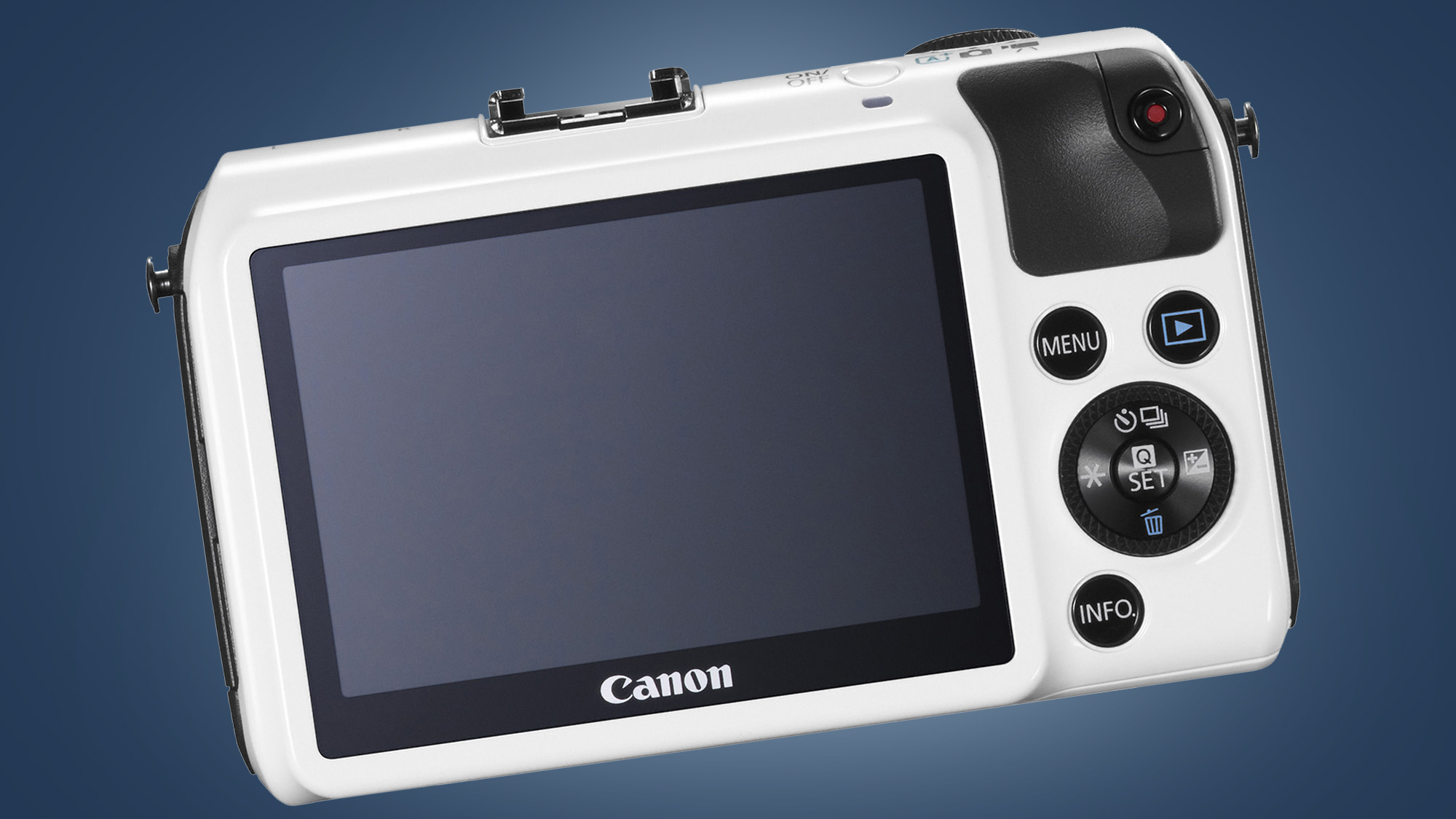
Ten years ago today, Canon launched its first ever mirrorless camera: the Canon EOS M. But the forgotten original won’t be throwing a huge party – instead, it’ll be sipping a Jack Daniels in the corner of a dive bar muttering to the Nikon J1 about what might have been.
The Canon EOS M was never really designed to take over the world. It was a classic defensive move from a tech incumbent, designed to avert photographers' eyes from new mirrorless players like the Sony NEX-7, charming Olympus PEN E-P3 and impressive Samsung NX200.
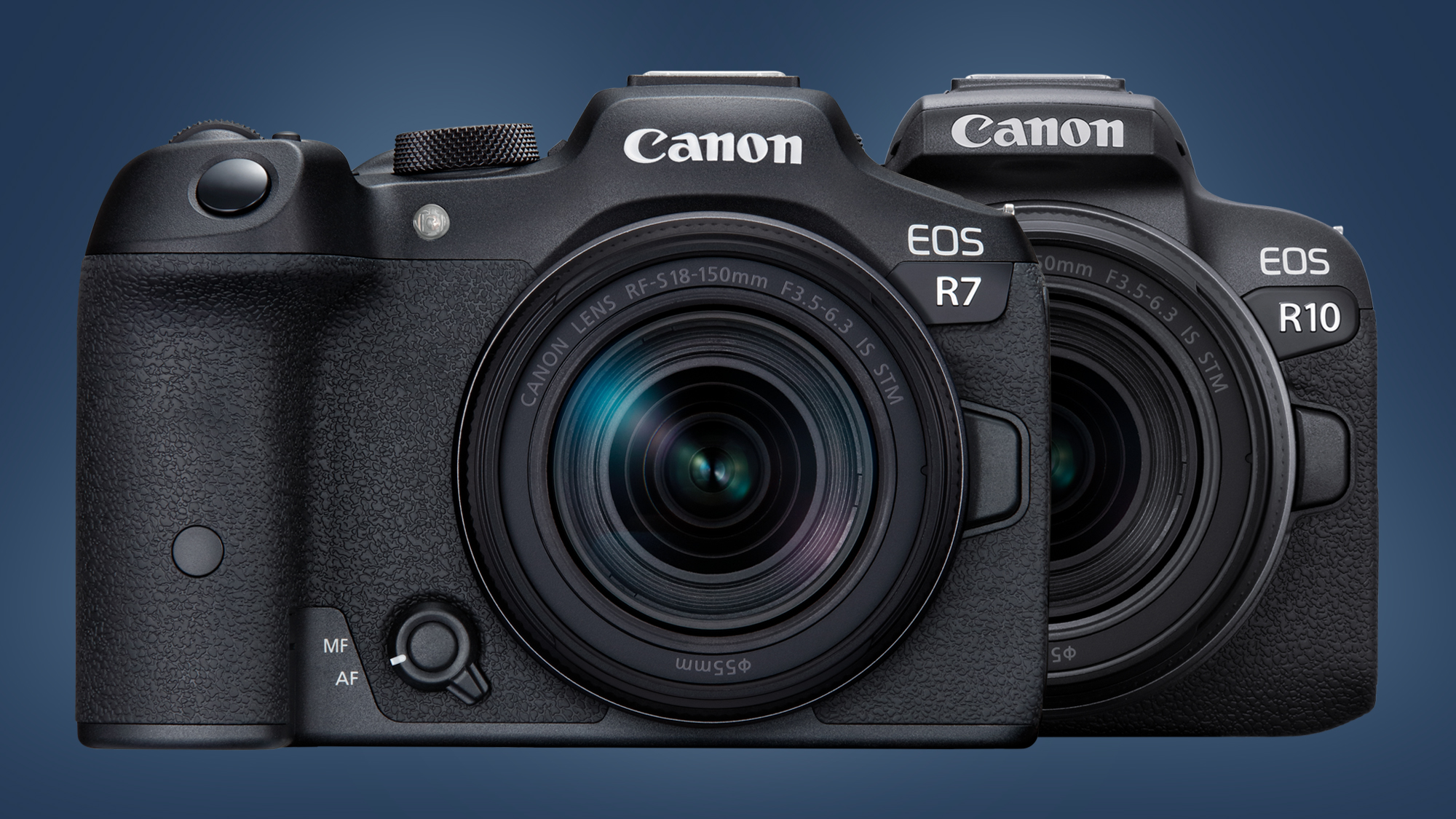
But what's fascinating about the Canon EOS M is how, almost exactly ten years on, history is seemingly repeating. Across the road from the Canon EOS M's dive bar, the new Canon EOS R7 and EOS R10 – its spiritual successors – are celebrating their two-month birthday in a swanky cocktail parlor.
(Image credit: Canon)
Those two cameras are different beasts from the EOS M, most obviously because they share the same RF-mount as Canon's full-frame mirrorless cameras. This make sense; rather than separate its hobbyist and pro cameras into incompatible families, Canon is finally following the one-mount strategy of its arch rivals Sony and Nikon. This means its two new players should be among best beginner mirrorless cameras around.
Yet there is one big similarity between the EOS M and Canon's new APS-C mirrorless cameras – a distinct lack of native lenses. Ten years on from the belated arrival arrival of its first mirrorless camera, the camera giant has seemingly killed the whole EF-M family with the EOS R7 and EOS R10. But will those cameras learn from the EOS M's biggest mistake?
Mirrorless gatecrasher
The Canon EOS M was born into a very different world to the EOS R7 and EOS R10. In July 2012, Facebook had only just started its plan to destroy Instagram after buying it for $1bn and the most popular smartphone around was the Samsung Galaxy S3, which had a single 8MP camera.
If Canon understandably didn't see smartphones as a threat back then, it was a bit too dismissive of mirrorless cameras. The first of those, the Panasonic Lumix G1, landed a full four years before the EOS M in 2008, and Canon's mirrorless debut felt like a reluctant, toe-dipping experiment from the DSLR giant.
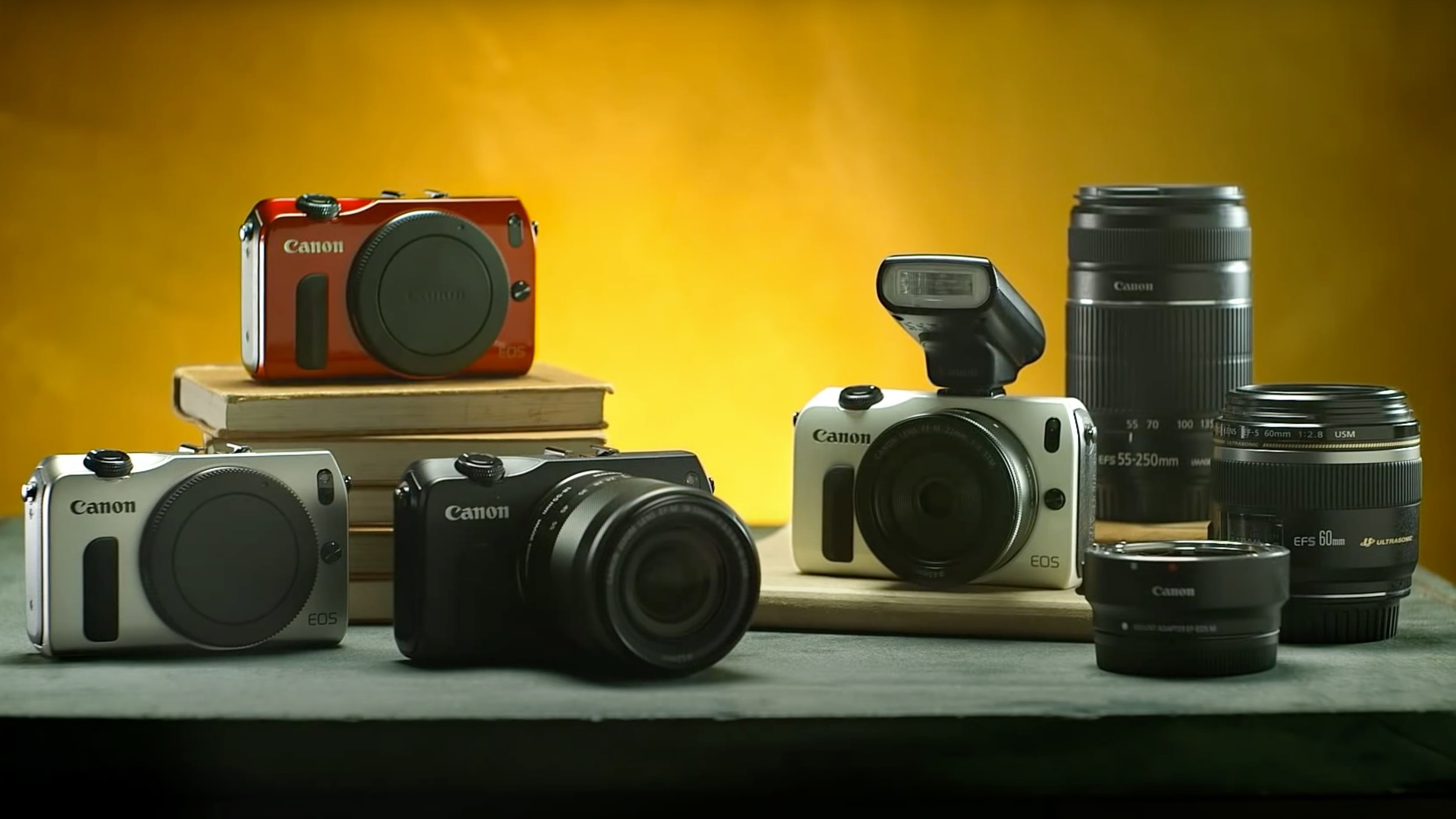
Not that the EOS M was without its charms. It had a large 18MP APS-C CMOS sensor, the same as the one in the Canon EOS 650D DSLR that arrived a month before it. Yet it was also impressively small, not dissimilar in size to a Canon PowerShot compact camera, and came in four colors including (gasp) red and white.
(Image credit: Canon)
Something else that the EOS M got very right was its touchscreen. It's taken cameras agonizingly long to embrace touchscreens, particularly ones that work with their menus, but the EOS M did it back in 2012 with a responsive panel that put many later cameras to shame.
Unfortunately, the EOS M also fell down in two big areas. One of these, sluggish autofocus, was somewhat understandable for the time, and would later be greatly improved by successors like the Canon EOS M6 Mark II.
But the other, a lack of native lenses, would remain the bane of the series until, well, their apparent recent death with the arrival of the Canon EOS R7 and EOS R10 in May this year. The question is, does Canon care enough about APS-C mirrorless cameras this time to avoid the same mistake?
Glass half full
When it came to making hobbyist-friendly mirrorless cameras in the early 2010s, the big incumbents – Canon and Nikon – were always in a difficult spot when it came to lenses.
They had already made huge ranges of lenses for their DSLR cameras. So their three options were; ignore mirrorless cameras completely (which they tried for a while), leave DSLRs behind and go all-in on mirrorless (not really feasible at the time), or take a non-committal halfway house by making a lens adapter that connected their old lenses with their new mirrorless cameras.
Like Nikon, Canon took the latter route. Its EF-EOS M adapter meant EOS M owners had, in theory, access to over 60 DSLR lenses. Yet most of these weren't a good fit for compact mirrorless camera (or 'CSC' as they were known then). And it meant Canon could afford to be somewhat lazy with the introduction of proper native glass that could have elevated the EOS M, and its successors, to exciting mirrorless heights.
(Image credit: Canon)
In the ten years after the EOS M's arrival, Canon made just eight lenses for the camera and its successors. Most of these, bar outliers like the EF-M 32mm f/1.4 STM, were pretty dull, plastic affairs. Sigma and Tamron later came in to fill the considerable gaps, but by that point Canon had already moved onto its new mirrorless plaything: the RF mount.
For all of its good points, the Canon EOS M (tagline "be a playfessional") was the embodiment of its maker's feelings about hobbyist mirrorless cameras – it just didn't take them seriously. Whether it was AF performance, video crops or lenses, there was always a sense that an EOS M camera would be hobbled in some way. Despite the arrival of some solid successors like the Canon EOS M6 Mark II, that remained the case for the next decade.
History repeating?
Not that the Canon EOS M and the mirrorless family it started can be considered a failure. They've always been popular in Japan, where even as recently as this year the Canon EOS M50 and M50 Mark II have been among the top-selling cameras (according to BCN Retail).
Yet the Japanese camera market is quite different from the rest of the world and Canon hasn't released a new EOS M body since the 2020. The lack of investment in the system has been clear and the arrival of the EOS R7 and EOS R10 show that it's curtains for a system that started exactly a decade ago today.
The Canon EOS R7 (left) and EOS R10 (right) almost certainly mark the end of the EOS M series, which started ten years ago today.(Image credit: Canon)
But will these two cameras suffer the same fate as the original EOS M? This time around, the signs are much more positive. Both the EOS R7 and EOS R10 have similar Dual Pixel CMOS AF II autofocus smarts to much pricier cameras like the Canon EOS R3, which lets them track subjects including animals and vehicles. This is particularly impressive for the EOS R10, which costs only $979 / £899 / AU$1,499.
The two cameras also have the big benefit of being compatible with all of Canon's latest full-frame mirrorless glass, thanks to that RF-mount. That's a much better solution than the EOS M's adapter-based approach.
Yet that doesn't mean that APS-C mirrorless cameras don't need their own native glass. A big reason for buying a camera like the EOS R7 or EOS R10 is because the lenses, and the whole setup, can be smaller, lighter and cheaper than their full-frame equivalents.
Right now, there are only two 'RF-S' lenses for the EOS M's two spiritual successors (an 18-150mm and 18-45mm). Sound familiar? Yes, you can still adapt some lovely older glass with the EF-EOS R adapter, but let's hope Canon has a few more native lenses in the pipeline than the eight it gave the poor old EOS M series.
from TechRadar - All the latest technology news https://ift.tt/0GU2nLE
via IFTTT
The DJI Avata has been tipped to be the Chinese company's next drone, but its take-off may have been pushed back, according to the latest rumors.
We had been expecting to see DJI's take on the indoor 'cinewhoop' drone arrive this sometime this month. But according to the pretty reliable @DealsDrone on Twitter, the original source of that possible July launch date, the DJI Avata's release has apparently been delayed.
The insider sadly hasn't given a new estimated timeframe for the Avata's release, simply saying that it's been related to a "factory expansion" and production moving "to a new location".
But drone fans who have been looking forward to seeing DJI's rumored 3in cinewhoop model, which would likely be designed for flying indoors around people in confined spaces, will be hoping the wait isn't too long.
BAD NEWS: I know a lot of people are waiting for Avata news, but it seems that Avata is going to delay the release. I heard about the related factory expansion and moving to a new location...July 22, 2022
See more
Growing rumors about the DJI Avata were given extra credibility in May, when we saw what appeared to be the first leaked images of the drone.
'Cinewhoop' drones are typically small, nimble flying machines with built-in propellor guards, which allows them to fly safely indoors. And the leaked photos we saw two months ago appeared to back up rumors that DJI was working on this kind of drone.
DJI's current drone ranges – the Mavic, Air and Mini series – are all largely designed for shooting epic outdoor footage. So the idea that the drone giant could be working on a Cinewhoop-style model, equipped with its own camera and electronic image stabilization, would certainly make sense.
Unfortunately, the rumored delay also means we'll likely have to wait a little longer to see DJI's new FPV Goggles, which have also been tipped to arrive alongside the drone. But if the slowdown is due to production and logistics, rather than any product-based issues, then they hopefully won't cause any significant delays.
Analysis: Take-off delay should hopefully be minor
It's been a busy couple of months for DJI, with the DJI Mini 3 Pro arriving in May and its new professional gimbals – the DJI RS 3 and DJI RS 3 Pro – landing last month. In April, the Chinese company also said it would "temporarily suspend all business activities in Russia and Ukraine" and there were limited lockdowns in Shenzhen (where DJI's GQ is based) in June, due to a new Covid outbreak.
There's no indication that the latter have any direct link to delays for new DJI products, with @Dealsdrone suggesting that the Avata holdup is more down to a "factory expansions" and a "move to a new location", which could refer to DJI's impending move to a new HQ in Shenzhen this year.
Either way, the DJI Avata certainly wouldn't be the first product to have been delayed this year and it'll hopefully still arrive in 2022. A cinewhoop drone would certainly make sense for DJI, given many of the existing ones (like the setup used in Tesla's Gigafactory tour above) use the DJI HD FPV system, which consists of a receiver, FPV Camera, FPV Goggles and a remote controller.
The latest rumors suggest that the DJI Avata will effectively be an all-in-one version of this tech, with some new FPV Goggles and, of course, the sub-500g drone itself. The concept certainly sounds like a good one, let's hope we don't have to wait too much longer to see it in the flesh.
from TechRadar - All the latest technology news https://ift.tt/yaZFt3Q
via IFTTT
If you've been yearning to see your Google Photos snaps on something other than a tiny phone screen, the service has good news – it's expanding its photo and canvas prints service outside the US for the first time.
In a blog post, Google Photos said announced that it's rolling out its photo prints and larger canvas prints to Canada and 28 European countries, including the UK and Ireland. Until now, Google Photos users in those locations have only been able to order photo books containing their snaps, so the move massively increases the physical printing options available within the service.
The pricing for Google's photo prints is also pretty reasonable compared to some of the best online photo printing services. For a standard 4 x 6-inch photo, you're looking at £0.13p per print in the UK (this costs $0.18 in the US). That's slightly more than rivals like Snapfish and Printique, but lower than some of the premium options like Sim Lab.
Other photo sizes available include 5 x 7-inch, 8 x 10-inch, 11 x 14-inch, 12 x 12-inch, 12 x 18-inch, 16 x 20-inch and 24 x 36-inch, and if you want to go larger there's always the canvas print option. These start at £23.99 in the UK ($24.99 in the US), and can be ordered in sizes that range from 8 x 8-inch to a wall-friendly 30 x 40-inch (20 x 24-inch in Canada).
The main benefits of using Google Photos' print services over rivals are the convenience factor, and also the photo library's impressive search functions. Thanks to increasingly powerful subject-recognition, Google Photos now lets you search your bulging library with increasingly specific keywords, making it easy to fish out that particular memory from your sea of memories (and screenshots).
Analysis: Not the cheapest, but super-convenient
(Image credit: Google)
Google Photos is banking on its users preferring the sheer convenience of ordering prints and canvases to their door from within its service, rather than going for the outright cheapest option.
As in the US, the Google Photos' printing options are slightly pricier than its established rivals on a per-print basis. Traditional sites like Walmart ($0.12 for a 4 x 6-inch print in the US) and, in the UK, Snapfish (£0.10 per 4 x 6-inch print) and Photobox (£0.11 for a 4 x 6i-inch print) both let you print photos for slightly less than Google's service.
It's a similar story with canvas prints, too. For example, with Photobox in the UK you can order an 8 x 8-inch canvas print for £17.99 (or just £8.99, with its current 50% discount) compared to £23.99 on Google Photos. Like many of its rivals, Photobox also lets you upload photos directly from Google Photos, along with Facebook, instagram and Dropbox.
But the big unknown right now is how the quality compares between these services. And now that Google Photos has launched its photo printing and canvas options in most of Europe and Canada, we're looking forward to doing a full comparison between them soon to see which is the best for making those digital memories physical.
from TechRadar - All the latest technology news https://ift.tt/hlvtEcf
via IFTTT
Fujifilm's camera names are pretty confusing for the uninitiated, so here's the short explanation. The Fujifilm X-H series, led by the new X-H2S, is its flagship range for hybrid shooters (the name for those who shoot equal amounts of photos and video).
The X-T series, meanwhile, are its mid-range cameras, with the top model currently being the X-T4. These are more affordable than the X-H series and a little more aimed at photographers, thanks to their retro styling. Below the X-T4, there's the smaller X-T30 Mark II (one of the best travel cameras around).
And if you like the more modern design of the X-H2S but not its price tag, there's also the Fujifilm X-S10. We rate this as one of the best beginner mirrorless cameras and also one of the best vlogging cameras you can buy, too.
It's already been a bumper year for mid-range mirrorless cameras, but one that many photographers are still waiting for is the Fujifilm X-T5.
This year, Fujifilm has launched its speedy flagship hybrid camera, the Fujifilm X-H2S, and will almost certainly reveal the high-resolution Fujifilm X-H2 at its X-Summit in September. So where does this leave the X-T series and, in particular, a possible Fujifilm X-T5?
According to latest rumors, the exciting camera is en route. But exactly when it'll land isn't yet clear. It will most likely come after the Fujifilm X-H2, which Fujifilm has said will be its next release, but it isn't yet clear whether we can expect to see the camera this year or next.
For the many photographers who can't quite justify a flagship full-frame camera or an X-H2S, the Fujifilm X-T5 could well be worth waiting for. The Fujifilm X-T4 arrived over two years ago in early 2020, but it remains one of the best mirrorless cameras and, at current prices, arguably one of the best beginner cameras around, for those whose budget is as big as their ambitions.
But what are the latest Fujifilm X-T5 rumors predicting and what do we want to see from the camera? We've answered both of those questions in this handy one-stop guide.
Fujifilm X-T5 release date and price
Most likely launch window rumored to be early 2023
No pricing rumors or leaks yet
Fujifilm X-T4's launch price was $1,699 / £1,549 / AU$2,999
We haven't yet seen any major leaks about the Fujifilm X-T5's release date or pricing, but some informed speculation is helping to fill in the gaps.
Right now, the most likely launch window appears to be early 2023. There are a couple of reasons for this. Firstly, Fujifilm has already stated that its next camera is going to be the Fujifilm X-H2 and that "we will inform you of the details of X-H2 during the next X Summit in September". This would leave little room for an X-T5 announcement after that camera during 2022.
Also, as Fuji Rumors has pointed out, the company has never launched a camera between November and December. So a launch sometime in the first quarter of 2023, perhaps around the third anniversary of the Fujifilm X-T4, would seem to make the most sense. But we should stress that, right now, this is pure speculation, and a joint launch with the X-H2 isn't completely off the cards either.
(Image credit: Fujifilm)
Predicting the Fujifilm X-T5's price tag is a little more complicated than with previous versions. This is because Fujifilm's X-H2 series (the X-H2S and X-H2) have introduced two new sensors, and it isn't yet completely clear which one the X-T5 will get (or if there could be two versions of the camera). The most likely scenario, based on a trusted Fuji Rumors source, is that the camera will have the non-stacked 40MP chip seen in the forthcoming X-H2.
Stacked chips come with a considerably premium (hence the Fujifilm X-H2S' $2,499 / £2,499 / AU$4,449 price tag), so this would help keep the X-T5's price down towards its traditional mid-range level. With that in mind, we think a good general marker for the Fujifilm X-T5 is the X-T4's original price tag. That camera arrived in 2020 for $1,699 / £1,549 / AU$2,999 and this remains a popular price point for hybrid APS-C cameras. Canon has, though, put some increased pressure on the rumored X-T5 by pricing the Canon EOS R7 at only $1,499 / £1,349 / AU$2,349 (body only).
Fujifilm X-T5 rumors and specs
Tipped to have new 'non-stacked' 40MP APS-C X-Trans CMOS 5 HR sensor
Unlike the X-H series, expected to only come in one version
Rumors suggest it won't have an optional battery grip accessory
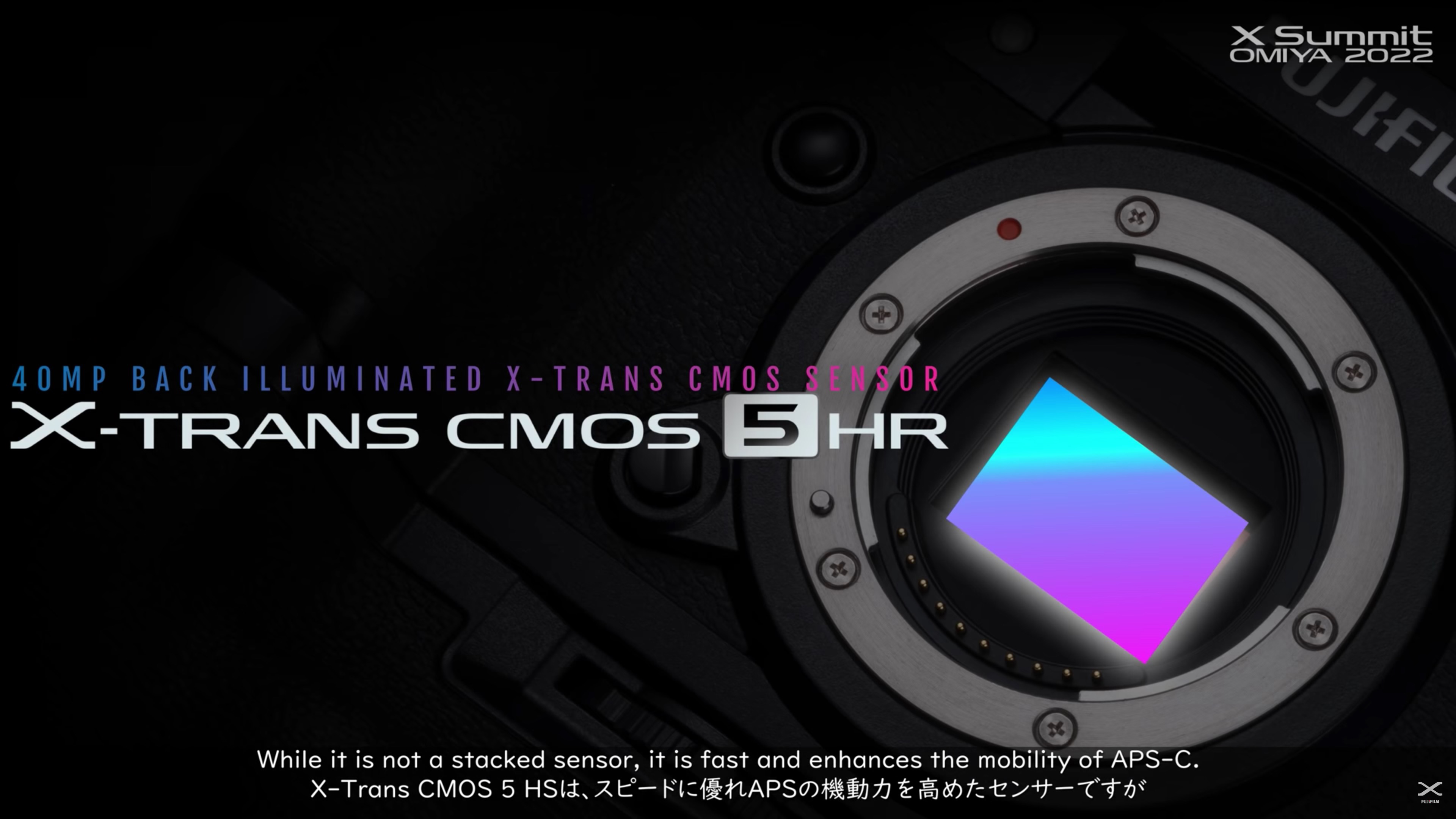
The biggest Fujifilm X-T5 rumor so far is that the camera is expected to have the 'non-stacked' 40MP APS-C X-Trans sensor that will also be in the forthcoming Fujifilm X-H2.
What does 'non-stacked' mean? One of the biggest recent trends in mirrorless cameras over the past few years has been the arrival of 'stacked' sensors. These add an extra layer DRAM onto the sensor itself (hence 'stacked') which dramatically improves its read-out speeds. This is helpful for boosting a camera's burst-shooting speeds and supporting high-resolution video without issues like rolling shutter.
The downside of these sensors, first seen on the original Sony A9 and more recently on the Nikon Z9, Canon EOS R3 and Sony A1, is that they're very expensive. This makes them wholly unsuitable for mid-range cameras, so it's little surprise that the Fujifilm X-T5 has been tipped by Fuji Rumors to instead have a standard, non-stacked 40MP sensor.
(Image credit: Fujifilm)
The X-T5 probably won't, then, offer the outright speed of the X-H2S for shooting moving subjects. But Fuji was keen to hype the other characteristics of its 40MP 'HR" (High Resolution) sensor at its X Summit in May, namely that it "goes beyond the format boundaries to deliver ultra high image quality" and promises to deliver "astonishing fine details". All marketing talk right now, of course, but this helps to explain the kinds of photography that its new 40MP sensor (and perhaps the X-T5) will excel at.
What else do we know about the Fujifilm X-T5? Unlike the X-H2 series, there's likely to only be one version of the X-T5. That's because when talking about its two new fifth-generation sensors at the end of the X Summit (below), Fuji says that "there is no other camera platform more suitable to have them both than the 'X-H' series". While this is certainly open to interpretation, it does suggest that only the X-H series will have both sensors – and this would make sense, in our book.
According to a Fuji Rumors post on July 13, the X-T5 could also have a lower base ISO setting than its predecessor. This would be particularly helpful for landscape shooters, as it helps to maximize the dynamic range in high-contrast scenes like sunrises and sunsets. It isn't yet clear whether or not it'll go as low as the Nikon Z7 II's ISO 64 setting, but a base of ISO 100 would be an improvement over the ISO 160 seen on the Fujifilm X-H2S.
One strange rumor about the Fujifilm X-T5, again from Fuji Rumors, is that it apparently won't have any battery grip accessory options. That's right, if you like the option of extending your camera's battery life to 'all-day' and giving it a bit more heft for longer lenses in the process, it seems your only options will be the Fujifilm X-H series or an older X-T camera.
This rumor suggests that Fujifilm could be pushing the X-T series back towards its mid-range heritage, after a brief flirtation with 'flagship' status in the absence of a new X-H camera. That means the X-T5 could be less appealing to wedding snappers or hybrid shooters, but perhaps a smaller and more refined tool for landscape shooters.
Fujifilm X-T5 design
Expected to stick with traditional dials-based controls rather than PASM
Will likely be smaller than X-H2S with shallower grip
No leaks yet about EVF or card slots
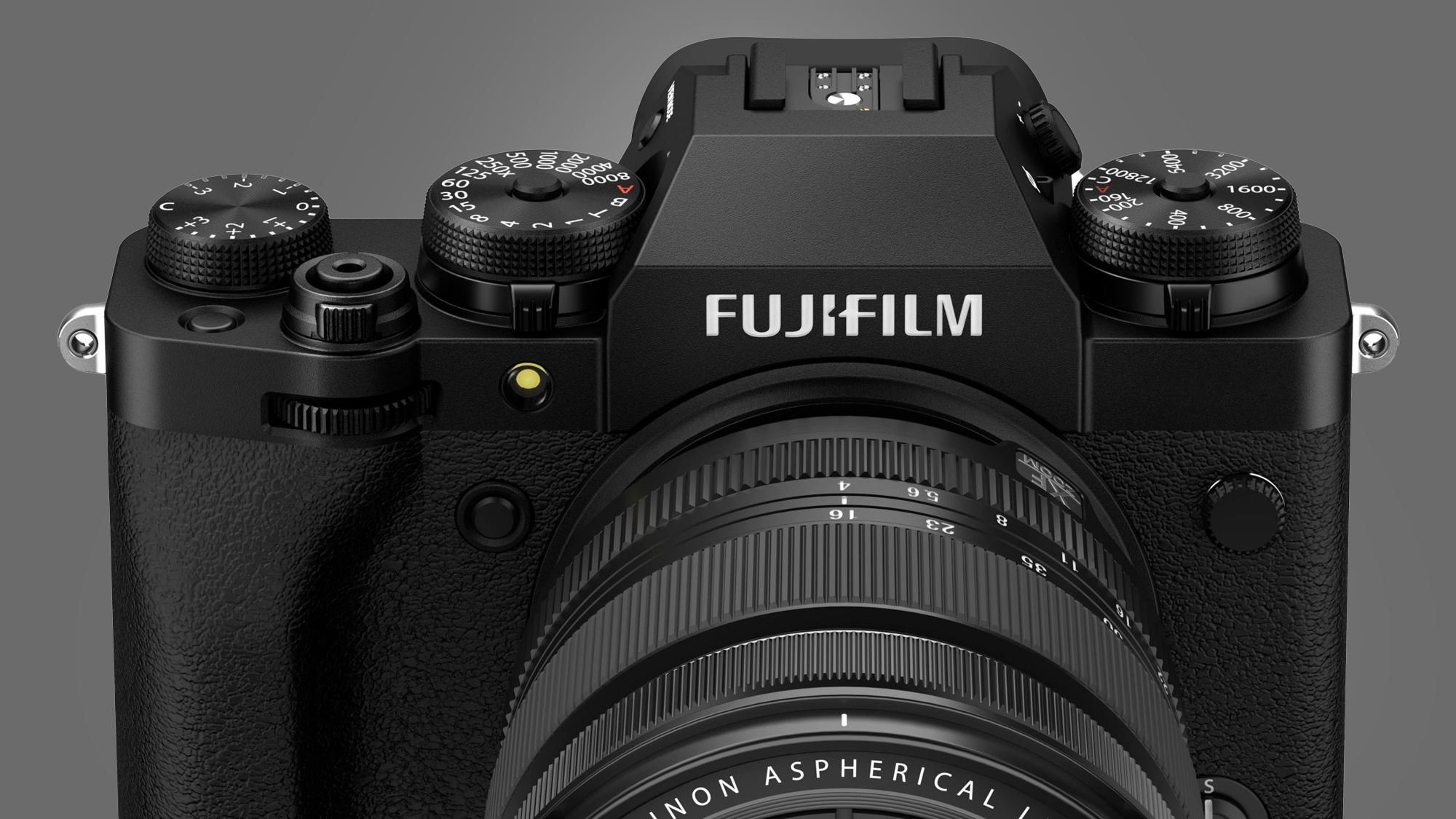
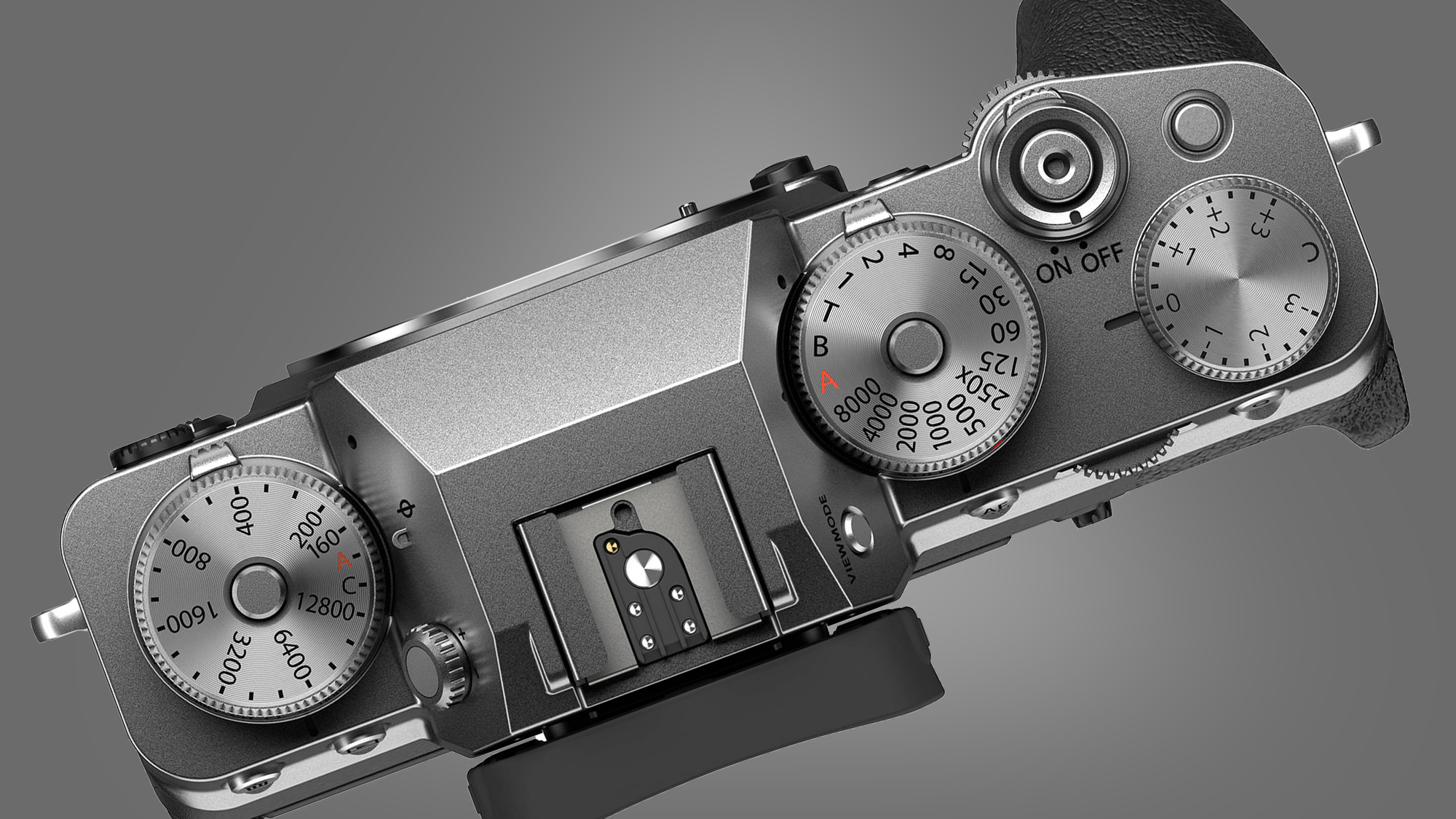
In recent years, Fujifilm has risked upsetting its core fanbase – who remain fans of its traditional, dials-based control system – by switching some models to the more widely-used 'PASM' (Program, Aperture Priority, Shutter, Manual) setup. Cameras with the latter include the Fujifilm X-H2S, Fujifilm X-S10 and its medium format GFX series.
But Fujifilm has been quick to downplay any concerns that the PASM design will now be the norm for all of its cameras. During a recent FujiCast podcast, Fujifilm's Group Marketing Manager Andreas Georghiades said that "in short, we won't see the PASM dial appear on all the other models". He added that "we've always said that X-H is more traditionally minded, but there will be more traditional, classic dial cameras coming out".
(Image credit: Fujifilm)
According to the latest rumors, one of those cameras will likely be the Fujifilm X-T5. The X-T series has always had separate dials for ISO and shutter speed, with most of Fujifilm's lenses coming with aperture rings for controlling that third part of the exposure triangle. And this will likely continue to be the case for the X-T4's successor, given it's a hallmark of that mid-range series.
This means it's also reasonable to expect that the X-T5 won't come with the top-plate LCD seen on the X-H2S (given there wouldn't be room for this and an ISO dial), or perhaps that flagship camera's deep grip. Given the X-T5 is likely to be a mid-range camera, we can expect a smaller and more compact body than the X-H series. But what else do want to see on the camera? Here are a few things on our wishlist.
Fujifilm X-T5: what we want to see
1. The same viewfinder as the X-H2S
(Image credit: Fujifilm)
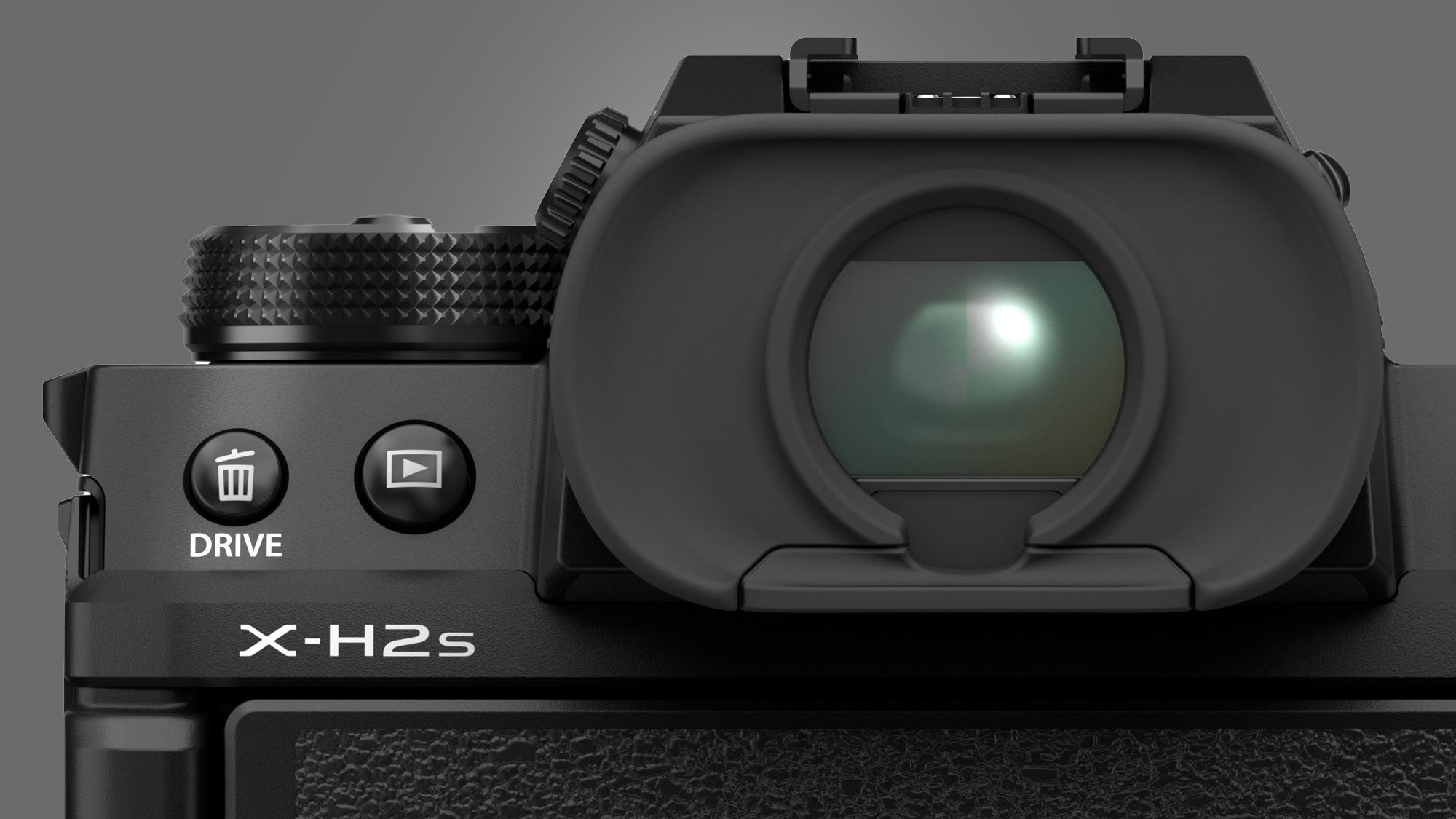
During our hands-on Fujifilm X-H2S review, we found its new 5.76-million dot OLED viewfinder to be one of the biggest quality-of-life upgrades from other Fujifilm cameras. In fact, we said it'd be "difficult to go back" to the EVFs on the rest of the X-series.
Could the X-T5 deliver the same viewfinder experience? There are currently no rumors either way, but we suspect it could be a step too far for the mid-range camera. Our money would be on an upgraded version of the 3.69-million dot OLED viewfinder seen on the Fujifilm X-T4, but we're hoping to be pleasantly surprised.
2. A tilting touchscreen
(Image credit: Fujifilm)
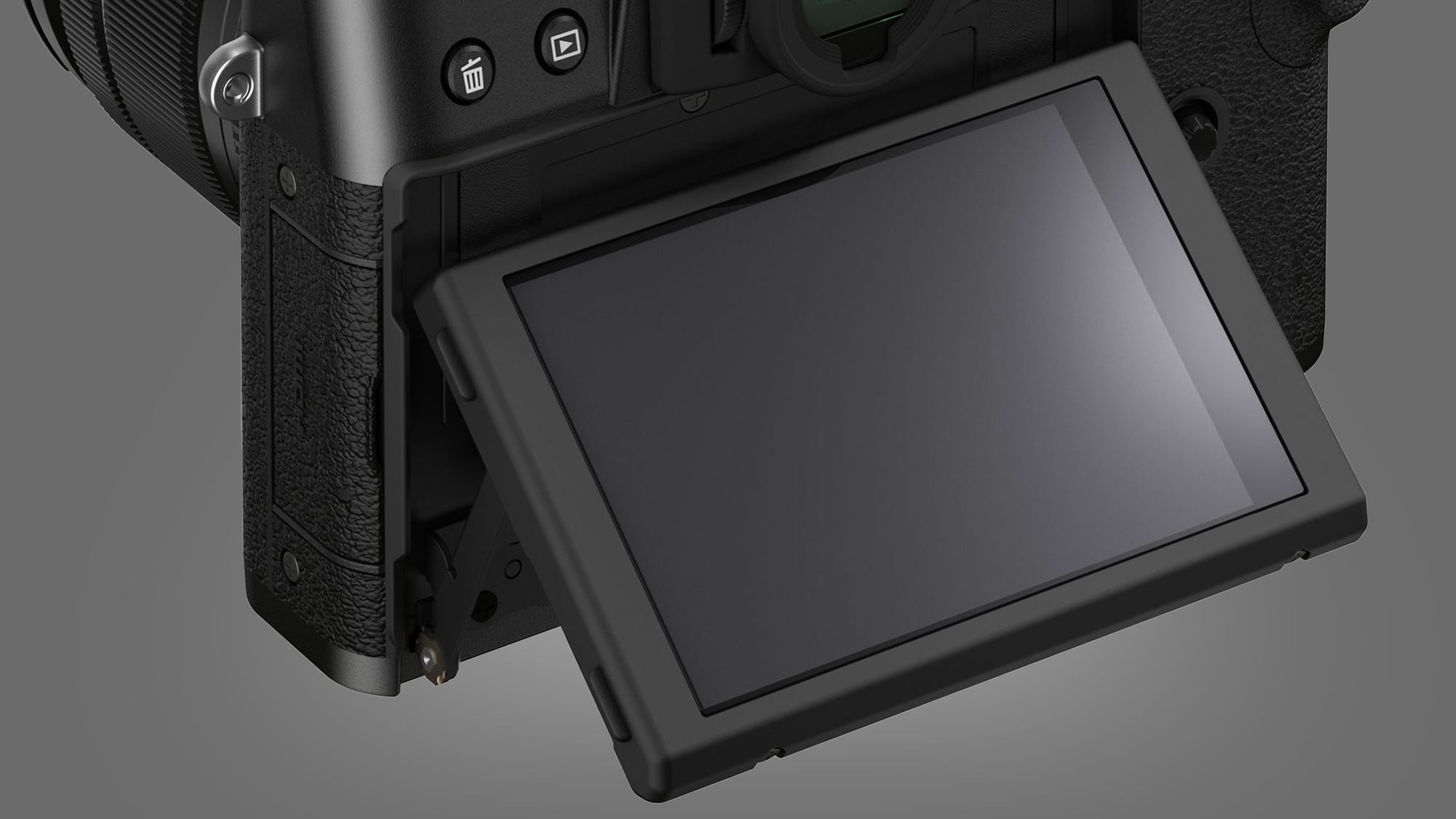
This one's slightly controversial, given most cameras now have fully-articulating touchscreens that flip around to the front for video shooters. But now the X-H2 series has landed for hybrid shooters, we'd like to see Fujifilm return the X-T5 to the more photographer-friendly tilting screen.
It's all personal preference, of course, but the argument of many photographers is that a tilt-screen is better for taking photos from low and high angles, because it lets you stay in line with the lens (and your subject). Articulating screens, meanwhile, need to be flipped out the side, which is more awkward and takes fractionally longer. Alternatively, we'd be happy to see the return of the X-T100's screen, which was close to offering the best of both worlds.
3. Improved subject-tracking autofocus
(Image credit: Fujifilm)
Without the Fujifilm X-H2S' stacked sensor, it seems unlikely that a mid-range X-T5 could offer the same impressive level of autofocus performance seen on Fuji's flagship. But if it does, as expected, pair the new X-Processor 5 with that new 40MP sensor, then we can expect to see a fairly big AF improvement from the X-T4.
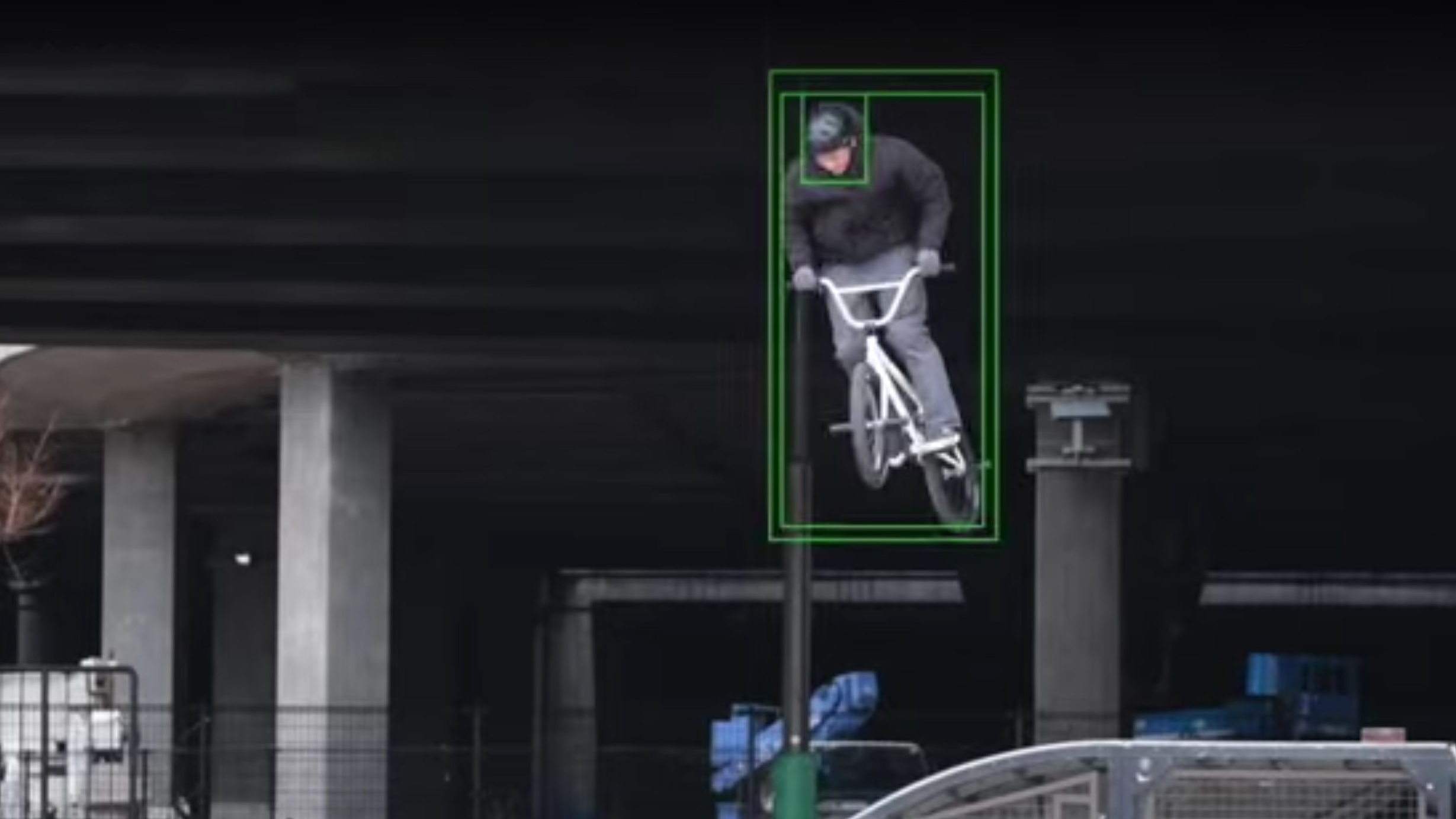
Alongside the usual tracking for human faces and eyes, the X-H2S can track animals, birds, cars, motorcycles, bicycles, airplanes and trains. Handily, these AF modes also work when shooting video, so we're hoping for similar versatility (if perhaps not quite the same stickiness) on the X-T5.
4. Dual SD card slots
(Image credit: Fujifilm)
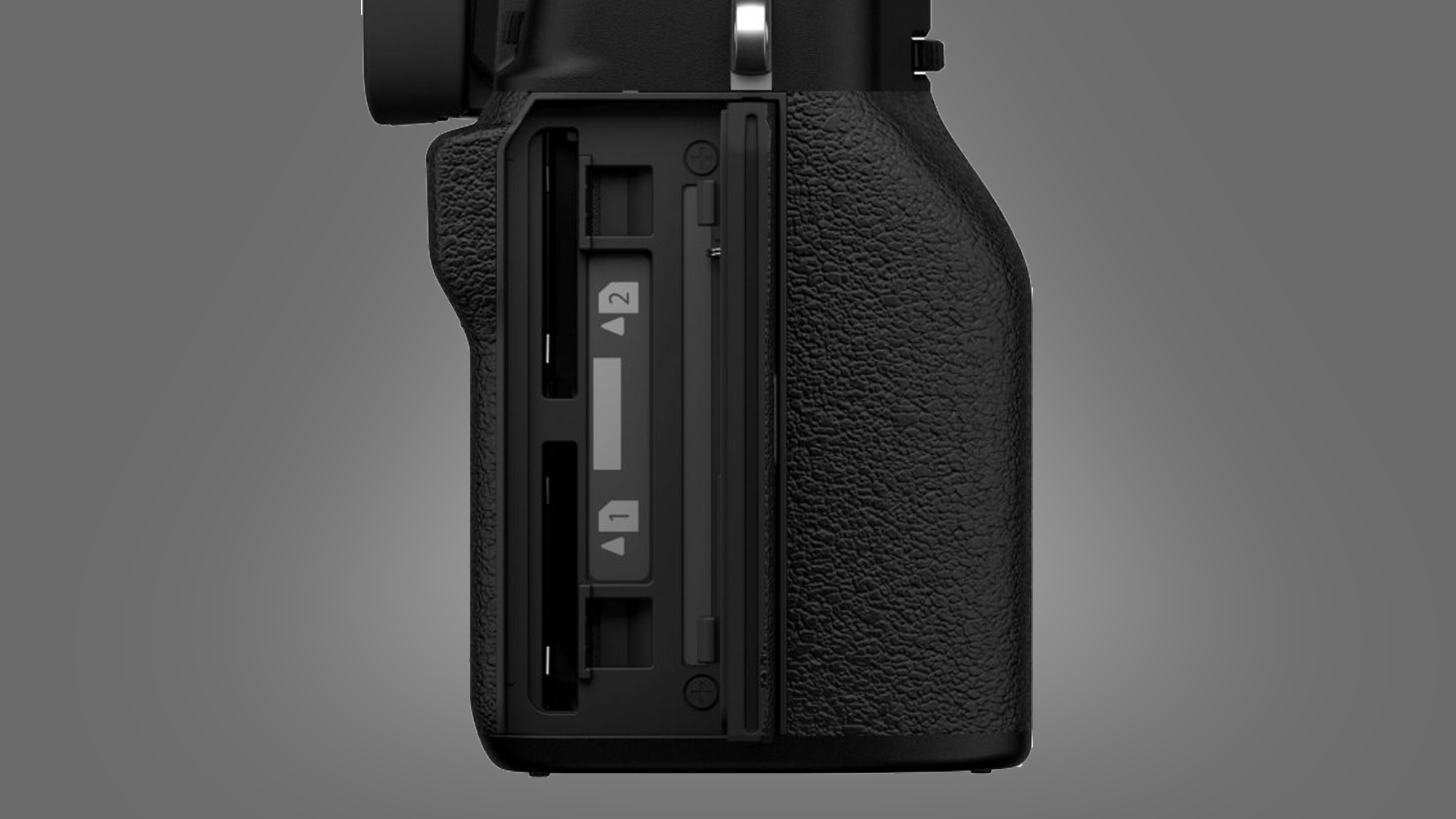
Yes, the CFexpress slot seen on the Fujifilm X-H2S is ideal for its top-end burst modes and high-end video features like recording in Apple ProRes, but it's overkill for a mid-range camera like the rumored Fujifilm X-T5.
Having twin UHS-II SD card slots, like on the X-T4, is a simpler setup for creating hassle-free backups of your main card and will help keep the cost of the camera (and buying new cards) down to more reasonable levels.
from TechRadar - All the latest technology news https://ift.tt/SwrI1KM
via IFTTT