The big camera manufacturers have remained pretty quiet about the rise of AI image generators like Midjourney so far, but Nikon has now broken cover, with a campaign that encourages a return to "natural intelligence" in photography.
As spotted by Little Black Book and Petapixel, a clever Nikon Peru campaign shows a succession of stunning real-world photos, on which are superimposed the AI prompts that might have inspired them, had they been AI-generated.
The campaign, which features the tagline "Don't give up on the real world", has been designed to steal back the photography limelight from AI image generators, which have dominated the headlines this year – even though there are plenty of things the likes of Midjourney and Dall-E still can't do.
An example real-world photo from Nikon's campaign, complete with its mocked-up AI prompt(Image credit: Nikon)
While it's the kind of argument you'd expect to hear from one of the world's biggest camera manufacturers – Nikon still sits third in global camera market share, behind Sony and Canon – it will also strike a chord with traditional photographers.
As Nikon Peru states in its promo video "this obsession with the artificial is making us forget that our world is full of amazing natural places that are often stranger than fiction".
This AI revolution is seemingly having real-world consequences, with Nikon Peru adding that "millions of people around the world are generating surreal images just by entering a few keywords on a website, which is directly affecting photographers, especially in places with fewer resources". Those places include Latin America, where editorial and advertising photographers are "losing space, work and profits", Nikon adds.
The AI backlash begins
The light-hearted tone of the fake AI prompts (above) in Nikon's campaign mean it doesn't sound too didactic(Image credit: Nikon)
The flipside to Nikon's argument is that AI image generators – particularly those that are trained on photography that's been licensed from creators, like Adobe Firefly – are opening up dramatic landscape 'photography' to new audiences who can't afford to travel to remote places with expensive camera gear.
But Nikon clearly feels that, rather than co-existing with traditional photography, AI image generators could significantly hit the demand for real-world photography, and it's seen this happen already.
However you feel about AI image generation, Nikon's campaign is the first significant backlash from one of the major camera manufacturers – and is a nicely executed one, too. For example, a photo of Iceland's Reynisfjara beach (above) is given the mock AI prompt "a realistic Minecraft cliff at the seashore in winter season".
In another photo, which you can see higher up the page, the Coyote Buttes cliffs in Arizona, USA are described in their AI prompt as "a latte skatepark in the middle of the desert in Mars".
Of course, AI and cameras also aren't necessarily polar opposites – there are several examples of the ways AI is transforming how traditional cameras work, from increasingly smart autofocus to improved image processing. So the future of photography is perhaps one of peaceful co-existence between the two tools, rather than deathmatch between Midjourney and Nikon.
from TechRadar: Photography & video capture news https://ift.tt/wI2i6aW
via IFTTT
Sony, Fujfiilm, Nikon, Panasonic and OM-System all share one thing in common that Canon doesn’t – third-party lenses for their mirrorless cameras. And it’s little wonder. In 2023, the likes of Sigma, Tamron and Chinese brands like Laowa make excellent proprietary lens alternatives that are often better value, too.
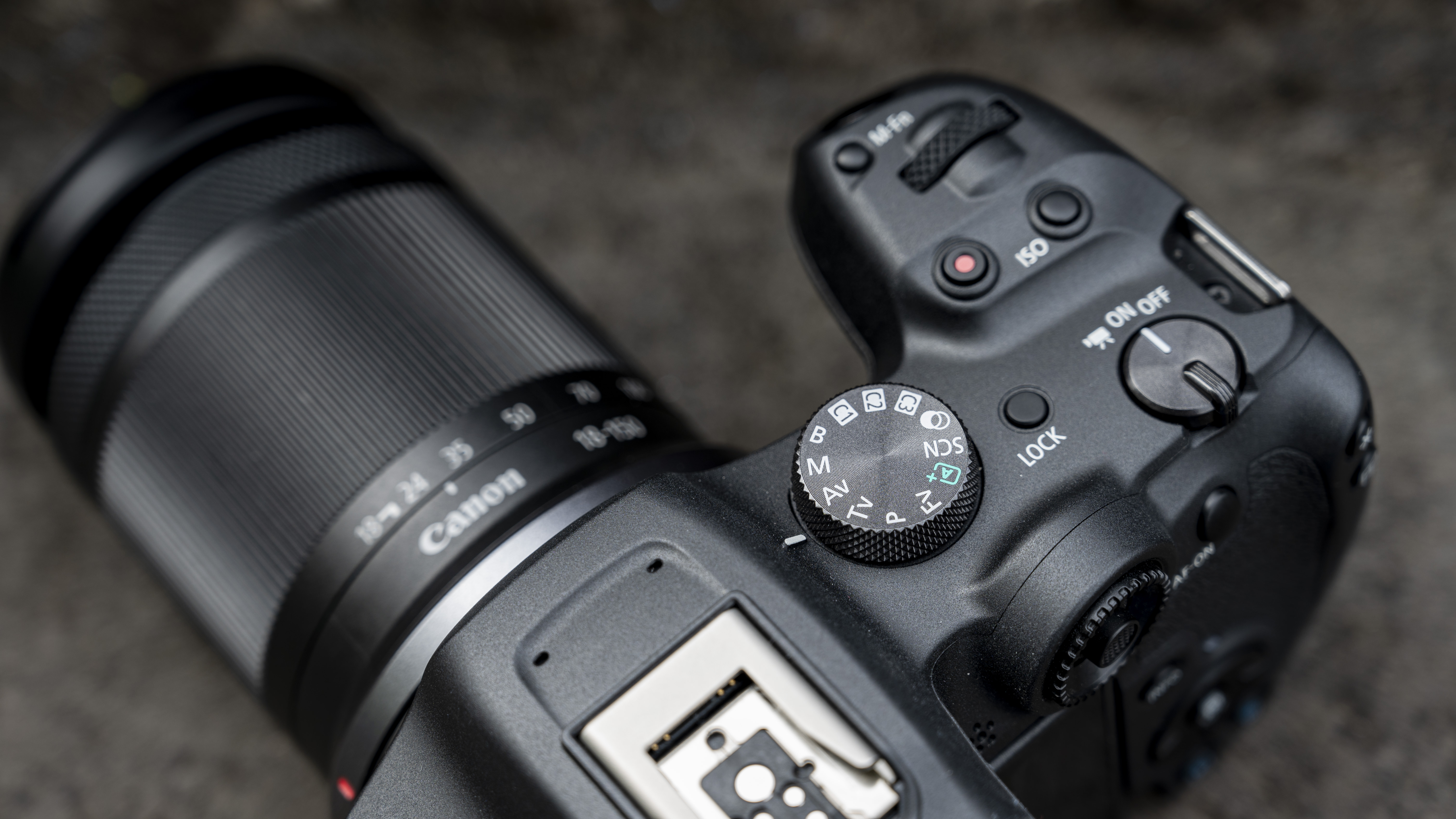
If you’re interested in one of Canon’s crop-sensor cameras like the EOS R7 and EOS R10 – and we wouldn’t blame you because they are two of the best mirrorless cameras for beginners and enthusiasts available – there’s a significant x in the box; limited lens choice. However, that could be about to change.
According to Canon Rumors, the traditionally closed-off company is about to open its doors to third party lens makers and it looks like Sigma is first in the cue. The collaborative move couldn’t have come sooner.
(Image credit: Future)
Ending its lens monopoly?
Canon makes some of the best mirrorless cameras, and it is doing a superb job of making excellent lenses, especially for its full-frame mirrorless cameras like the EOS R5. Stand-out optics include the RF 28-70mm f/2 L USM and the latest version of the RF 70-200mm f/2.8 L IS USM (which is 30% smaller and lighter than equivalents).
However, Canon lenses are costlier than those from every other big brand, even Sony, and what you won’t find when looking for Canon glass are low-cost alternatives. In these challenging economic times, that’s a big strike against Canon, plus we’ve come to expect the better-value likes of Sigma and Tamron to create lenses of similar technical quality to proprietary lenses.
Canon must have its reasons for remaining closed with a hit on its own lens sales being one possible explanation, but that doesn’t seem to have stopped every other major camera brand from cuddling up with outsiders.
As for Canon’s superb crop-sensor cameras like the EOS R7 and EOS R10, there’s a real lack of native lenses. At the time of writing, there are more cameras than lenses, with only three low-end RF-S zoom lenses available. We highly recommend the aforementioned cameras, but limited lens choice is a con that we have to highlight, given the huge part that lenses play in the quality of our photos.
(Image credit: Future)
Catching up to do
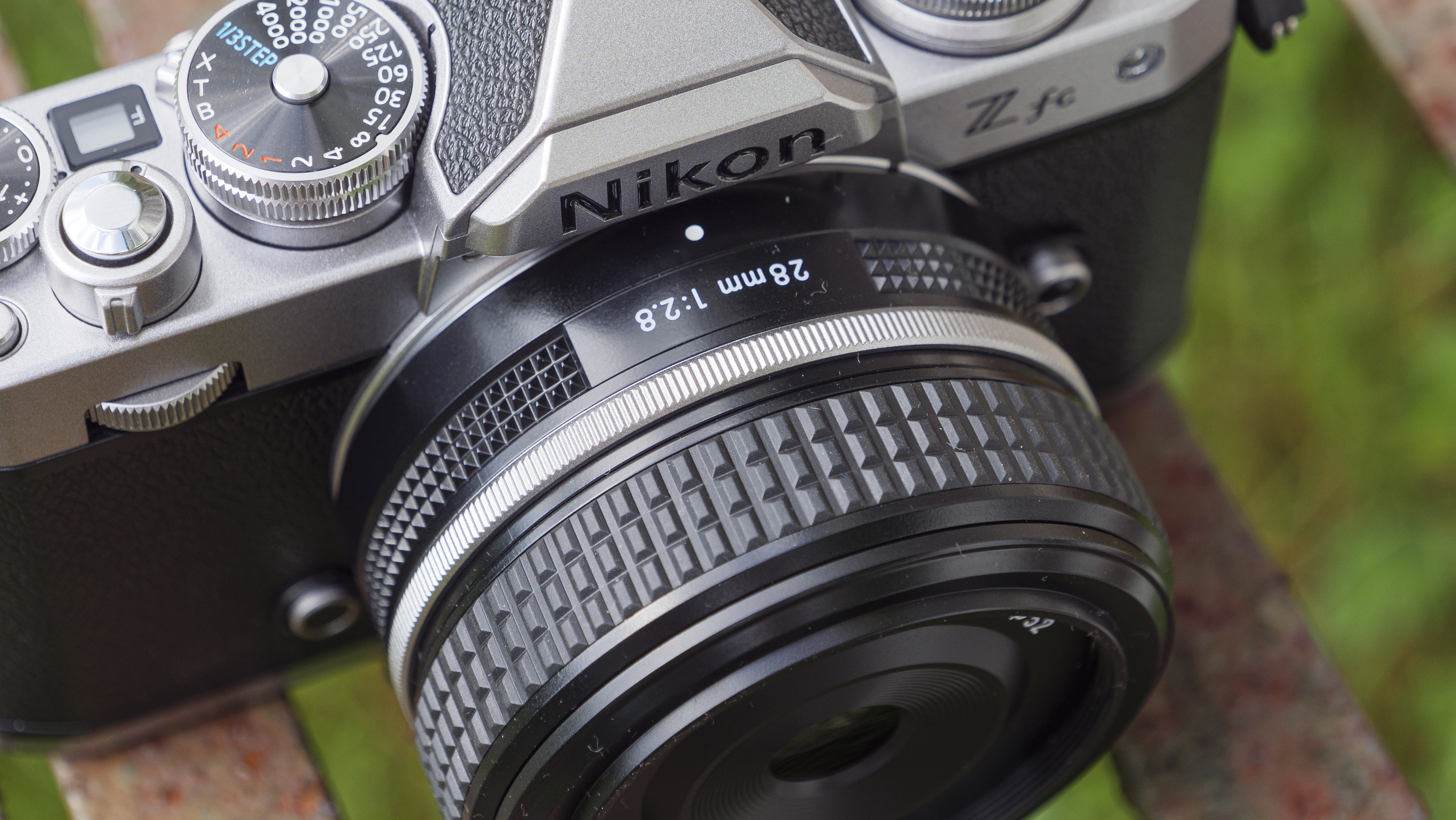
Nikon’s mirrorless cameras that are part of its Z-mount have a strikingly similar number of lenses to choose from as Canon. However, Nikon has already partnered with Sigma, and its crop-sensor cameras like the Nikon Z fc already have three Sigma f/1.4 contemporary prime lenses to choose from.
Sony has been in the mirrorless game way longer than Canon and has 49 full-frame and 23 native crop-sensor lenses, plus an army of third-party makers on board. Panasonic and OM-System share the same micro-four-thirds sensor and offer a lens for every scenario and level. You get the picture – every other brand is one or several steps ahead of Canon.
Canon needs to open up. Not just to broaden the appeal to its crop-sensor mirrorless cameras, but to allow better value options for its customers.
(Image credit: Sigma)
Which third party lenses can we expect?
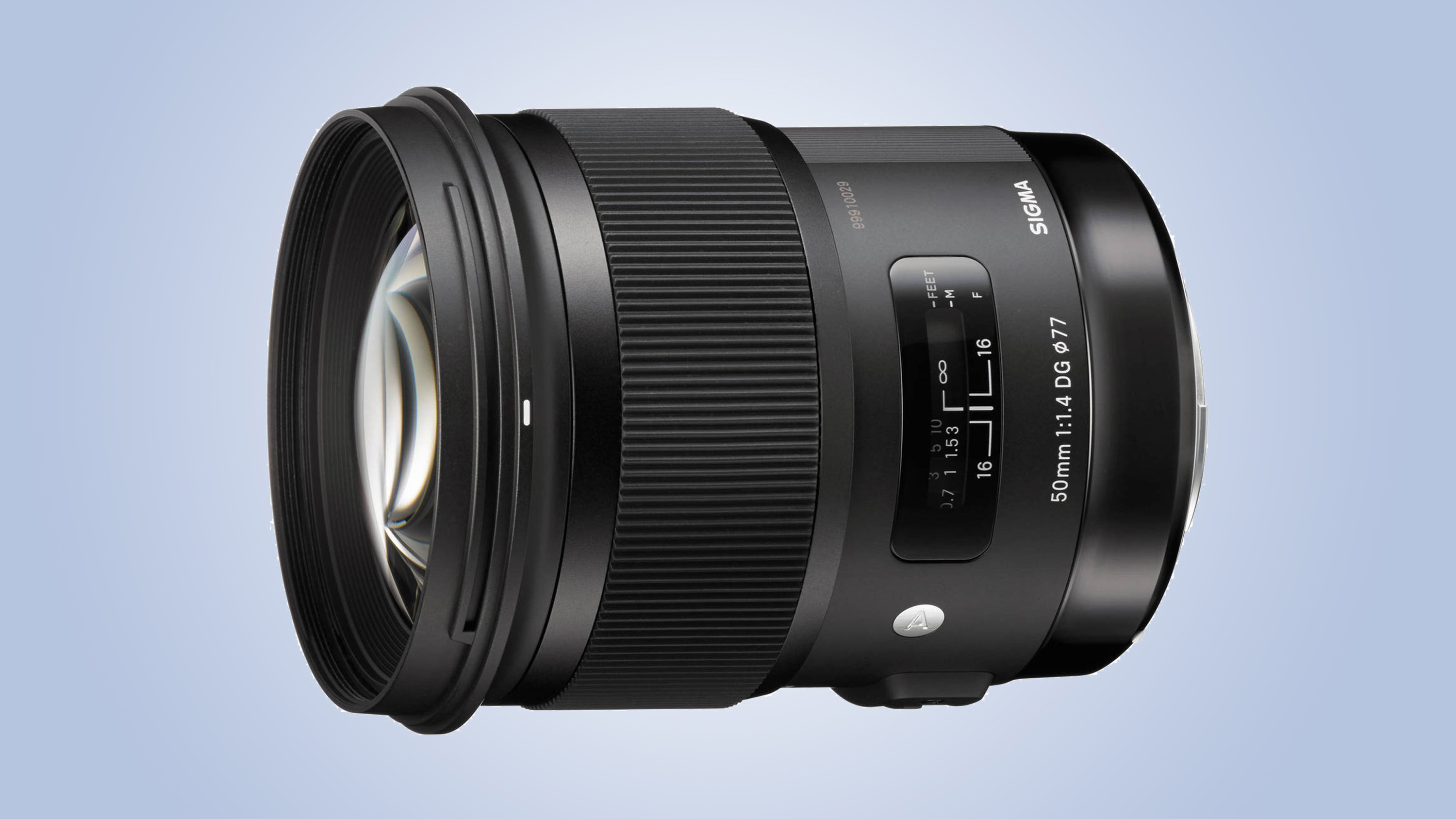
According to rumors, there are two Canon RF-mount Sigma lenses in the pipeline. Speculation points toward a full-frame 50mm f/1.4 lens, plus a Canon version of Sigma’s existing 17-50mm f/2.8 OS DC for crop-sensor cameras. The latter would pair superbly with the EOS R7.
What’s clear is that in the early adoption days, we’re unlikely to see any overlap between Canon and Sigma RF-mount lenses – potential Sigma lenses will need to bring something new to the table. For Canon’s crop sensor cameras that use RF-S lenses, that’s no hard task.
Lenses don’t make headlines in the same way that cameras do, but for those of us that seriously use cameras, we know how important lens choice is and this move from Canon is more exciting than the launch of another camera. Let’s hope this rumor proves to be accurate.
from TechRadar: Photography & video capture news https://ift.tt/tbdST5E
via IFTTT
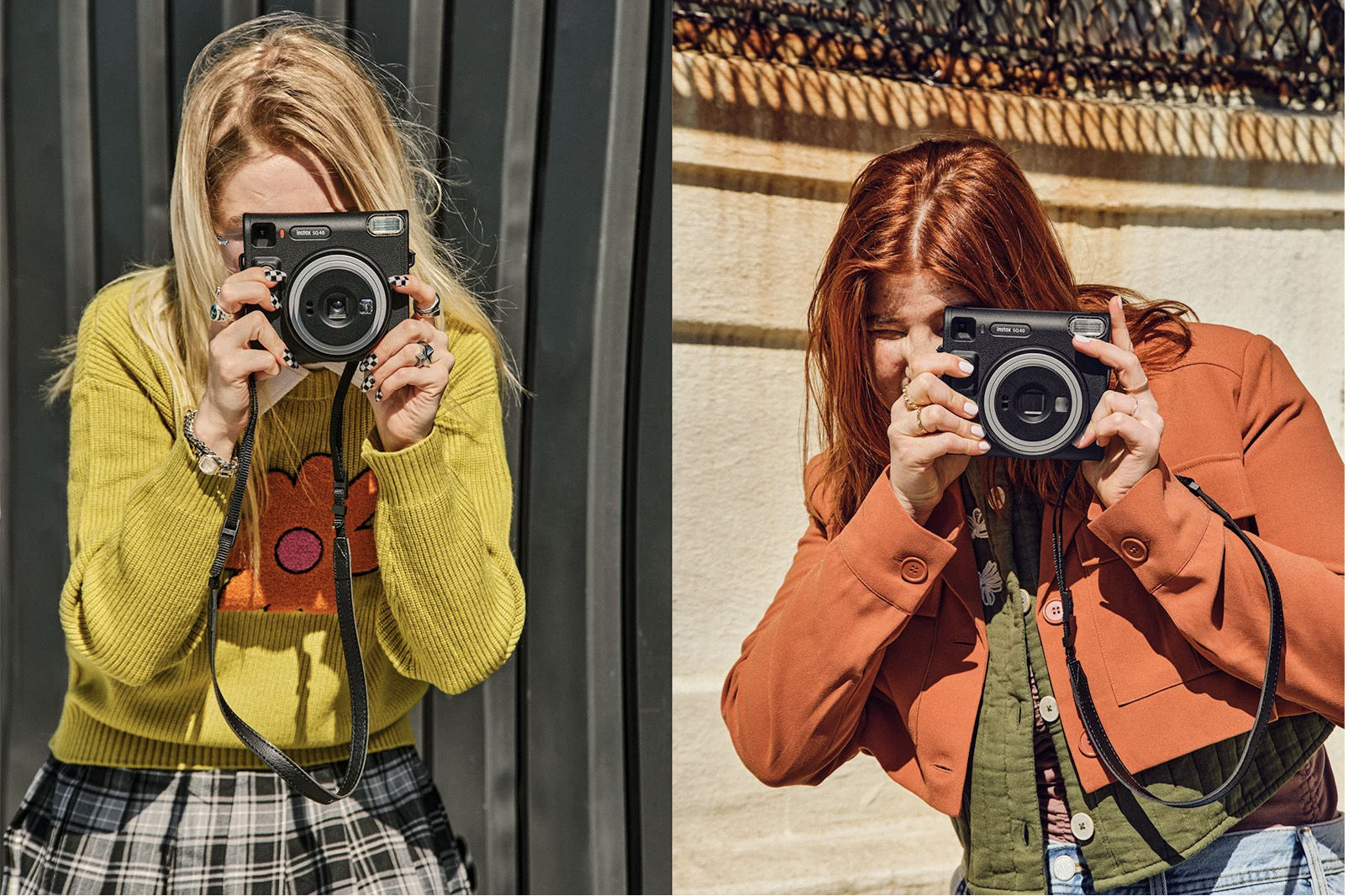
The latest addition to Fujifilm’s range of Instax cameras has been leaked and it certainly packs the retro charm. The press release, shared by Fuji Rumors, reveals the Fujifilm Instax SQ40, a camera that takes its design cues from the Instax Mini 40 and combines that with the Instax square instant film format that the Instax SQ1 uses.
Pictures reveal a faux-leather black texture with silver-effect accents on the lens and shutter button. We’re big fans of the Mini 40’s retro charm, while preferring the larger size of the Instax square film, and so the SQ40 delivers the best of both worlds. This could be one of the best instant cameras, even if it won’t be as pocketable as the Mini 40.
The new camera will feature automatic exposure for point-and-shoot simplicity, plus a retractable lens that works like the Fujifilm Instax Mini 12: two shooting modes; standard and closeup, and in the off position the lens is fully retracted.
Closeup mode reduces the minimum focal distance so you can squeeze more subjects into your selfies and closeups. For everything else, you can use the standard shooting mode.
Otherwise, details are sparse, but we’ll be sure to give a full picture once we’ve directly received official specifications.
(Image credit: Fujifilm)
Price and release date, and new “Sunset” Square film
The Fujifilm Instax SQ40 has a suggested list price of $149.99 (about £130 / AU$250) and is expected to be available at the end of June 2023.
Alongside the launch of the SQ40, Fujifilm will add a “Sunset” variety of its Square film that features soft color gradients that the company says are “reminiscent of a serene sunset”.
A regular twin pack (2x10 sheets) of Square color film costs $24.99 / £16.99 / AU$34.95 and is also available with different colored borders including Rainbow, plus a Monochrome version of the film (prices vary).
from TechRadar: Photography & video capture news https://ift.tt/4oXZrER
via IFTTT
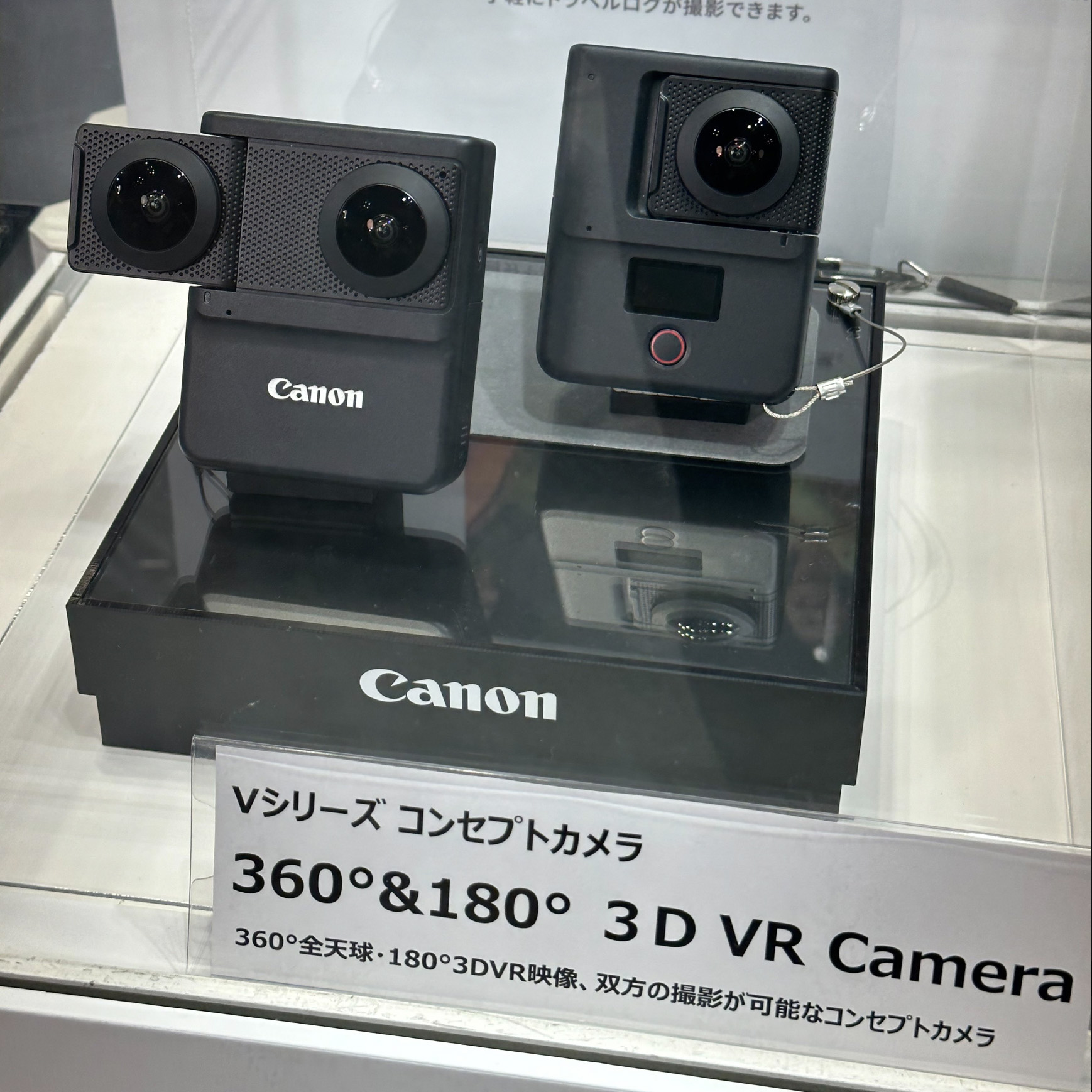
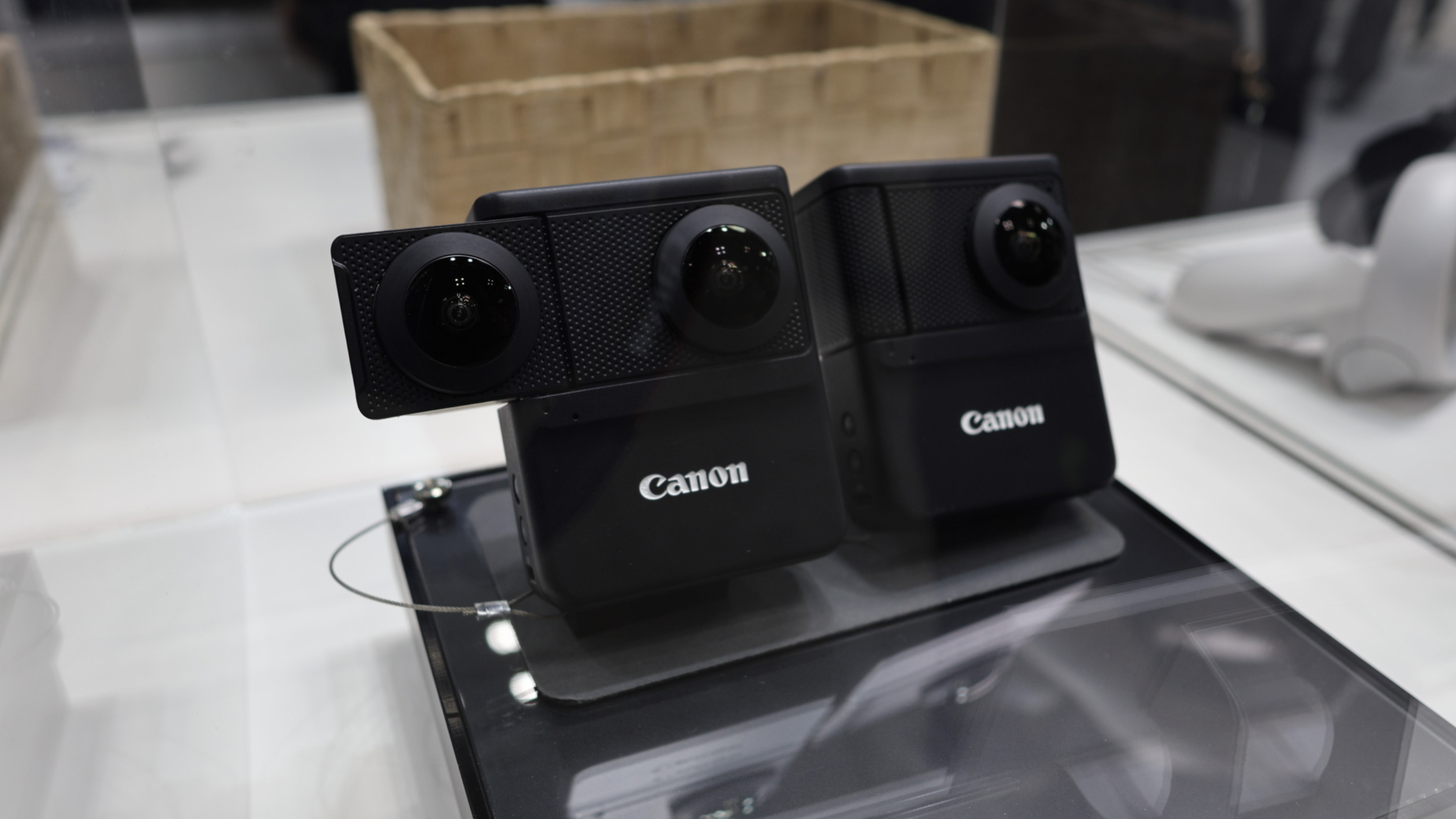
Canon PowerShot is making an unlikely comeback. First, after years of inactivity, Canon surprised us in May (2023) with a new vlogging compact camera – the Powershot V10. Now it looks like the camera giant was just getting started, and is already showing off a fascinating PowerShot V concept.
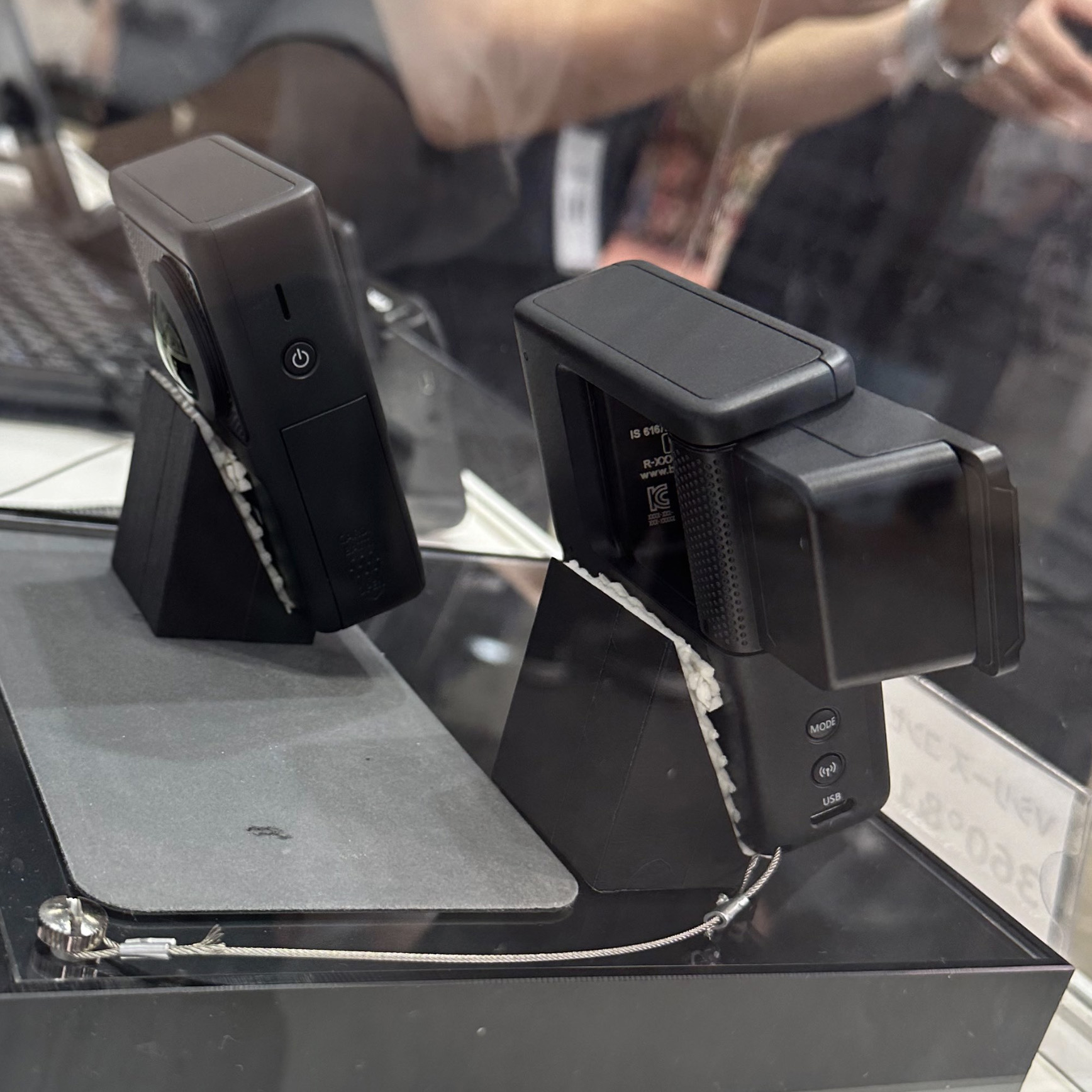
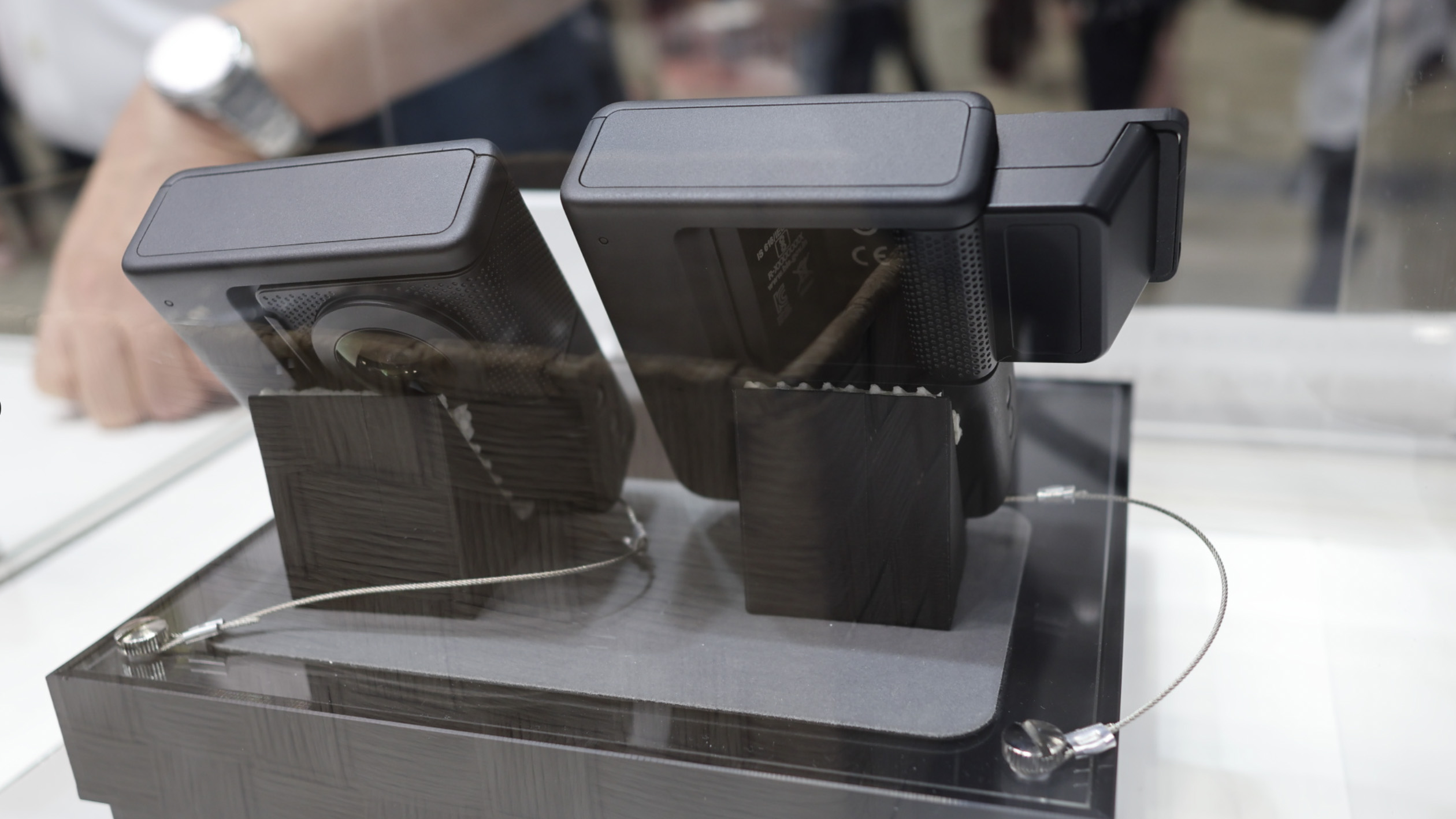
The camera in question was on show at Photo Next Show 2023 last week in Japan, pictured in multiple angles by show attendees and shared via Twitter accounts @wistaria_ and Ichiro Uematsu.
It's exterior is similar to the PowerShot V10, but this time with twin back-to-back lenses, with the rear lens able to fold out to the front thanks to a hinged design. We’ve seen a design like this before in the Insta360 Evo – an all-in-one 180-degree 3D VR and 360-degree camera and one of the best 360-degree cameras available.
Image 1 of 2
(Image credit: wistaria_)
Image 2 of 2
(Image credit: wistaria_)
Canon and the VR space
We don’t have any technical data for the new PowerShot concept, but based on the pictures it looks like the camera packs twin front and rear-facing fisheye lenses that each have a 180-degree (approximately) field of view; and that a hinge can swivel the rear lens out to the front.
In one configuration, the front and rear-facing fisheye lenses cover 360 degrees, while in a second setup, the rear camera sits alongside the front camera to form a stereoscopic camera that can record 180-degree 3D VR images, à la Insta360 Evo.
Canon is courting the VR space. Last year it launched a twin fisheye lens for 180-degree 3D VR that was primarily partnered with its full-frame mirrorless camera the EOS R5. The two lenses record to the left and right half of the EOS R5’s sensor, making two 4K images one for each eye of a VR headset, taken from the camera’s 8K video resolution.
If the concept camera costs around the same as the V10, we’d be surprised if it has a high-resolution sensor and 8K video recording. It’ll probably be the same 1-in sensor with 4K video as the V10, delivering a Full HD output for each eye. It could feature twin 4K-enabled sensors, but that seems unlikely given the design.
It would be great if each eye could enjoy 4K video either through a single 8K sensor or twin 4K sensors, but a 3D VR image in Full HD is most likely. Let’s wait and see.
Image 1 of 3
(Image credit: Ichiro Uematsu)
Image 2 of 3
(Image credit: Ichiro Uematsu)
Image 3 of 3
(Image credit: Ichiro Uematsu)
A new direction for Canon?
Canon’s apparent compact camera strategy makes a lot of sense: do cameras differently. The V10 takes on the Sony ZV-1 as one of the best vlogging cameras with an all-out vlogging design that strikes the right note, even if the technology inside is a little dated.
And there’s no way that regular point-and-shoot PowerShot compact cameras can compete with today’s smartphones, but a twin fisheye lens camera for mixed reality photos and videos you don’t have to strap to your face like the Apple Vision Pro? That’s a more viable alternative to what smartphones can offer in 2023.
We don’t know which smartphone giant is cuddling up with Canon, or how that partnership will develop but it would mark a forward-thinking collaborative step for the traditionally closed-off camera giant.
from TechRadar: Photography & video capture news https://ift.tt/XiY2x8D
via IFTTT
Adobe Creative Cloud Express – which enables you to design everything from social media posts to fliers – has received a major update in a beta version that chiefly integrates Adobe Firefly Generative AI.
The desktop and mobile app is designed for users of all skill levels, and is now more versatile than ever, with generative text-to-image and text effects expanding the app’s extensive collection of assets and templates.
A new-look editor for its multimedia design, photo, and video features can easily integrate Adobe's CC app files from Photoshop, Illustrator, Premiere Pro and Acrobat to your Express creations, which can now be shared via the cloud for collaborative projects, with changes synced in real-time.
Following the integration of Adobe Firefly into Adobe Photoshop, it was inevitable that the generative AI tool would be embedded into Adobe Express content workflows, and it’s a major boost for the all-in-one editor.
This new beta version of Express gets the same Firefly generative AI text-to-image and text effects tool, although Generative Fill, which was recently introduced in a beta version of Photoshop, will not be part of Express for now.
Express has a catalog of more than 20,000 assets and fonts, all of which can now be personalized using generative text effects. For example, you can type in the visual effect that you’d like, such as pink balloons, for whichever font you're using, and as with text-to-image, the effect is taken and applied from Adobe Stock dataset.
We're looking forward to having a play with this beta version of Express and sharing our experiences with you soon.
Image 1 of 5
(Image credit: Adobe)
Image 2 of 5
(Image credit: Adobe)
Image 3 of 5
(Image credit: Adobe)
Image 4 of 5
(Image credit: Adobe)
Image 5 of 5
(Image credit: Adobe)
Price and release date
The latest beta release of Express is available now for free in the desktop version, with the mobile version coming with the full release of Express.
Existing Adobe Creative Cloud members can enjoy the Adobe Express premium plan, with more assets and templates to choose from than the free tier, and subscriptions start at $9.99 / £9.99 / AU$10.99 a month.
from TechRadar: Photography & video capture news https://ift.tt/vSMoZHI
via IFTTT
The DJI Air 2S has been a longstanding member of our guide to the best drones, but several leaks have revealed that its DJI Air 3 successor is imminent – and could well be the new sweet spot in DJI's drone range.
A combination of rumored DJI Air 3 specs, plus leaked photos and a video, have started to build a picture of what we can expect from the mid-range drone. And the big news is that it's likely to get a new telephoto lens, similar to the one we saw recently on the DJI Mavic 3 Pro.
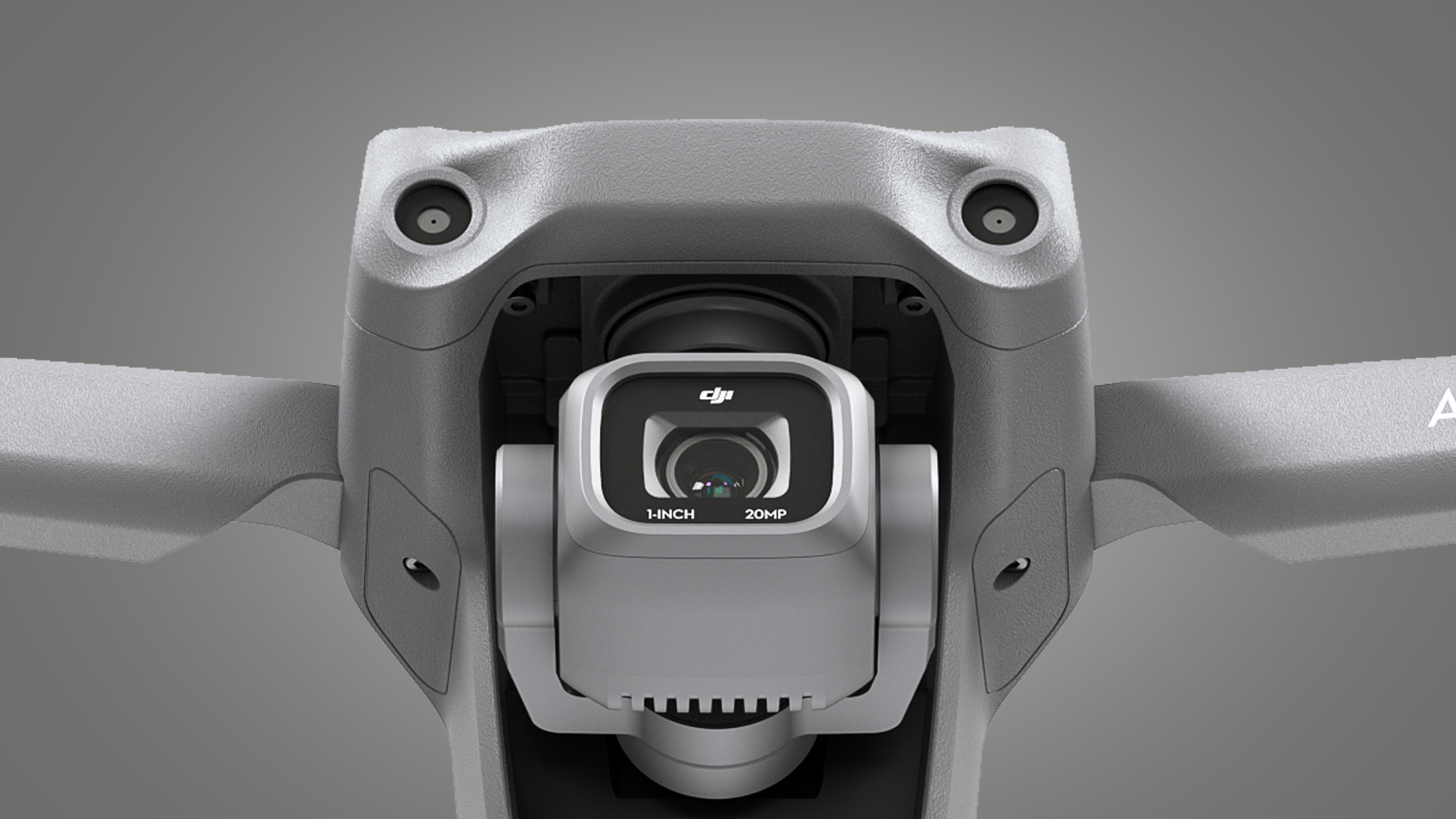
The DJI Air 2S currently has just a single camera with a 1-inch 20MP CMOS sensor. But according to regular DJI leaker @Quadro_News, the DJI Air 3 will add either a 1/1.3-inch mid-telephoto lens with an effective 3x zoom (like the one on the Mavic 3 Pro) or a 1/2-inch telephoto lens with an effective 7x zoom.
Neither of these would be 'zoom' lenses in the technical sense, but their longer focal lengths would offer a handy way to shoot photos and video of distant subjects, particularly ones that you can't legally fly near (eg. groups of people).
DJI Air 3 leaks, as you see pic.twitter.com/yS0ZCK6ZAqMay 24, 2023
See more
These rumors appear to be backed up some recently leaked images and video (below), which have just appeared courtesy of Deals Drone and Dronemodelismo.
While not exactly clear or high-resolution, the images show that the drone has a large camera module that has likely been boosted from the one on the Air 2S to make room for that additional lens.
Adding an extra lens to the DJI Air 3 would also make sense in the context of DJI's current lineup, giving aerial photographers a reason to choose the newer drone over the small and otherwise excellent DJI Mini 3 Pro.
DJI Air 3 in testing. video from Wechat pic.twitter.com/GWrQ5BEdsyMay 24, 2023
See more
The only other specs leak we've seen for the DJI Air 3 so far is an apparent 30-minute battery life, which would make its flight time almost identical to the DJI Air 2S. With an expected release in "late June or early July 2023", according to Quadro_News, we'll likely see more leaks and details very soon.
The only possible downside to the DJI Air 3's new lens and boosted specs could be a higher price tag, with the rumors pointing towards a price of around 7,500 yuan (which converts to around $1,060 / £860 / AU$1,625). But anyone looking for a compact, all-rounder drone could still see it as the sweet spot in DJI's range.
Analysis: Better than the Mini 3 Pro?
(Image credit: DJI)
We were big fans of the DJI Air 2S when it landed in April 2021, awarding it a five-star review and putting it at the top of our guide to the best drones you can buy. It's since been pushed down that list by the sub-250g DJI Mini 3 Pro and the DJI Mavic 3, now more polished thanks to some much-needed firmware upgrades.
If the DJI Air 3 brings an extra telephoto lens, alongside other improvements like Ocusync 3.0 Plus transmission and improved high frame-rate video options, it could reclaim that top spot. The Air series has always offered a good middle ground between DJI's Mini range and its Mavic series, which command price tags that are tricky for most amateurs to justify.
We'd like to have seen an improved battery life on the DJI Air 3, but the rumors so far suggest that's unlikely – with one of the leaked photos appearing to back up that theory by showing a stash of spare DJI batteries.
It looks like it'll be well worth waiting until June or July to see what the Air 3 brings, if you've been thinking about buying a new flying camera – not least because of the wave of keenly-priced Air 2S drones on the second-hand market.
from TechRadar: Photography & video capture news https://ift.tt/7lVUaHm
via IFTTT
Adobe Photoshop has been the gold standard in photo editing for over three decades, so it was only a matter of time until it embraced the tricks seen in the best AI art generators – and it's now done just that in the form of a new tool called Generative Fill.
The new tool, which lets you extend images or add objects to them using text prompts, certainly isn't the first AI-powered feature we've seen in Photoshop. Generative Fill is also a user-friendly development of existing Adobe tools, like Content Aware Fill, but it's also one of the most significant new Photoshop features we’ve seen for years.
That’s because it leans on the power of Adobe Firefly, the company’s new generative AI engine, to help you fix big compositional mistakes or completely reinvent an image’s contents. In Adobe’s demos, images in portrait orientation are instantly turned into ones in landscape – with Photoshop simply inventing the sides of the photo based on the original image.
While some of those examples are quite subtle, others have a very obvious art aesthetic. For example, a photo of a corgi is turned into one with very obviously fake bubbles and a van in the background.
Adobe clearly sees Generative Fill as a tool for both beginners and pros, but the new text-to-image prompt box is certainly a useful touch for those who don’t know Photoshop’s existing tools. You can use this to add small details to an image or completely change its background – in another demo, a deer is moved from its forest background to a city thanks to the prompt ‘wet alley at night’.
Of course, none of this will be new to fans of Midjourney or Dall-E, which have helped spark this year’s boom in text-to-image generation.
But Adobe is keen to stress that AI tools like Generative Fill model have only been trained on Adobe Stock images, openly-licensed content, and public domain content where the copyright has expired. This means they can be used for commercial use without the threat of class-action lawsuits from artists who claim some AI models have stolen their work.
While Generative Fill is only rolling out to the full Photoshop app in the “second half of 2023”, there are a couple of ways you can try it out now. First, it’s available in Photoshop’s desktop beta app, which you can get by going to the Creative Cloud desktop app, choosing Beta apps in the left sidebar, then installing it from there.
The feature is also available as a module within the web-only Adobe Firefly, which was also recently added to Google Bard. To use Firefly in Bard, you can simply write your image request (for example, 'make an image of a unicorn and a cake at a kid's party') and it'll do the rest. What a time to be alive.
Analysis: Photoshop battles its new AI rivals
Some of the effects created by the Firefly-powered Generative Fill are more clearly AI-generated.(Image credit: Adobe)
Like Google, Adobe is a giant incumbent that's under attack from AI upstarts like OpenAI and Midjourney. While Firefly and Photoshop's Generative Fill aren't doing things we haven't seen before, they are doing them in a measured way that sidesteps any copyright issues and helps maintains its reputation.
Photoshop's embrace of generative AI also brings these tools fully into the mainstream. The image editor may not be the dominant force it was before the likes of Canva, Affinity Photo and GIMP arrived to offer more affordable alternatives, but it remains one of the best photo editors around and certainly one of the most widely used.
From Adobe's early demos, it looks like Generative Fill is in its early days and produces mixed results, depending on your tastes. In some images, the effects are subtle and realistic, while in others – particularly images where large parts of entirely AI-generated – the results are clearly AI-generated and may not date very well.
Still, the arrival of Generative AI alongside other new features like the Remove Tool –another development of the Photoshop's existing ability to let you eliminate unwanted objects – is only a good thing for those who aren't familiar with the app's sometimes arcane interface.
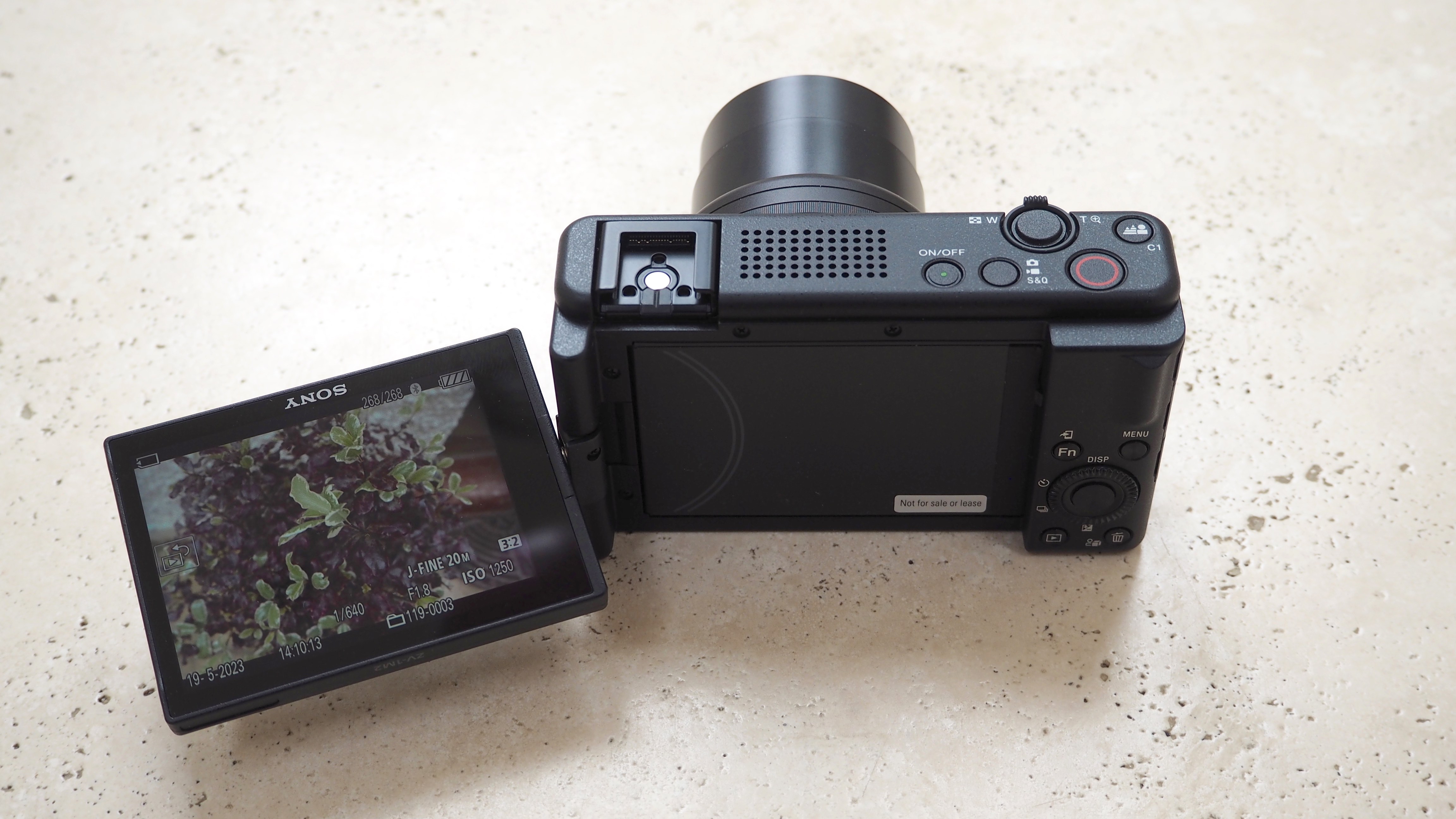
The Sony ZV-1 sits pretty in top spot of our best vlogging camera guide, and three years after its launch its successor has arrived in the shape of the Sony ZV-1 II.
According to Sony, users of the Sony ZV-1 fed back that its lens is often not quite wide enough for vlogging, and as a result the latest model features an all-new lens with a wider field of view.
So what else is new in this compact entry-level vlogging camera? Let's dig further into the ZV-1 II's headline features to find out.
Sony ZV-1 II price and release date
£870 in the UK. US and Australia pricing TBC
Available from June 2023
Also available as vlogging kit with GP-VPT2BT grip
The Sony ZV-1 II is available on its own, or as part of vlogging kit, with the basic kit including Sony’s GP-VPT2BT grip, which costs $138 / £170 / AU$249 if bought separately.
Disappointingly, the Sony ZV-1 II's list price is quite a lot higher than that of the ZV-1 at launch, which was $749 / £699 / AU$1,299, perhaps due to the current global economic situation.
For now, Sony plans to keep the ZV-1 on the shelves alongside the ZV-1 II, in addition to the ZV-1F, which has a fixed 20mm F2.0 lens, and we've run a Sony ZV-1 Vs Sony ZV-1 II head-to-head to highlight the key differences.
(Image credit: Future)
Sony ZV-1 II lens: Wide-angle wonder
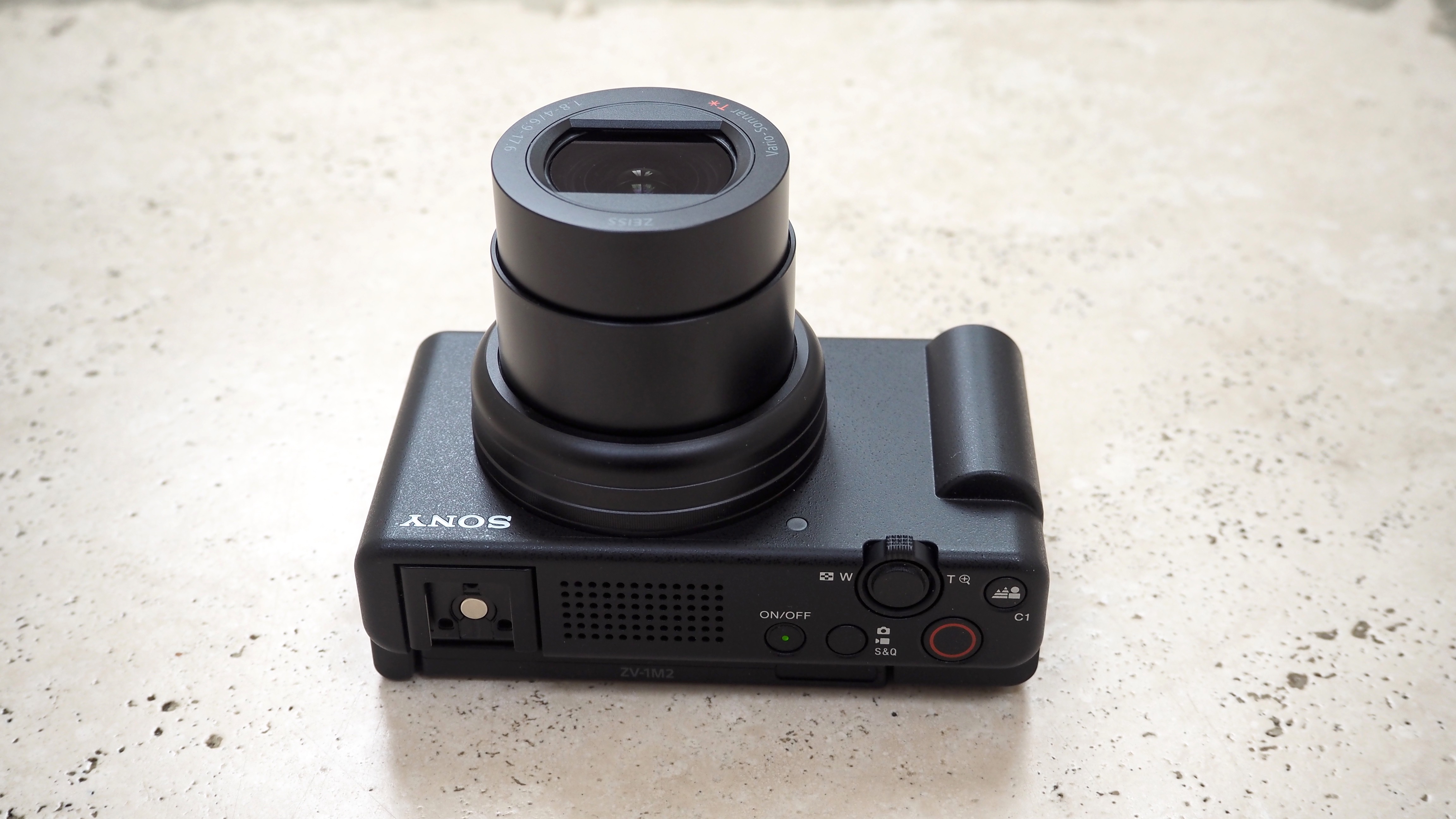
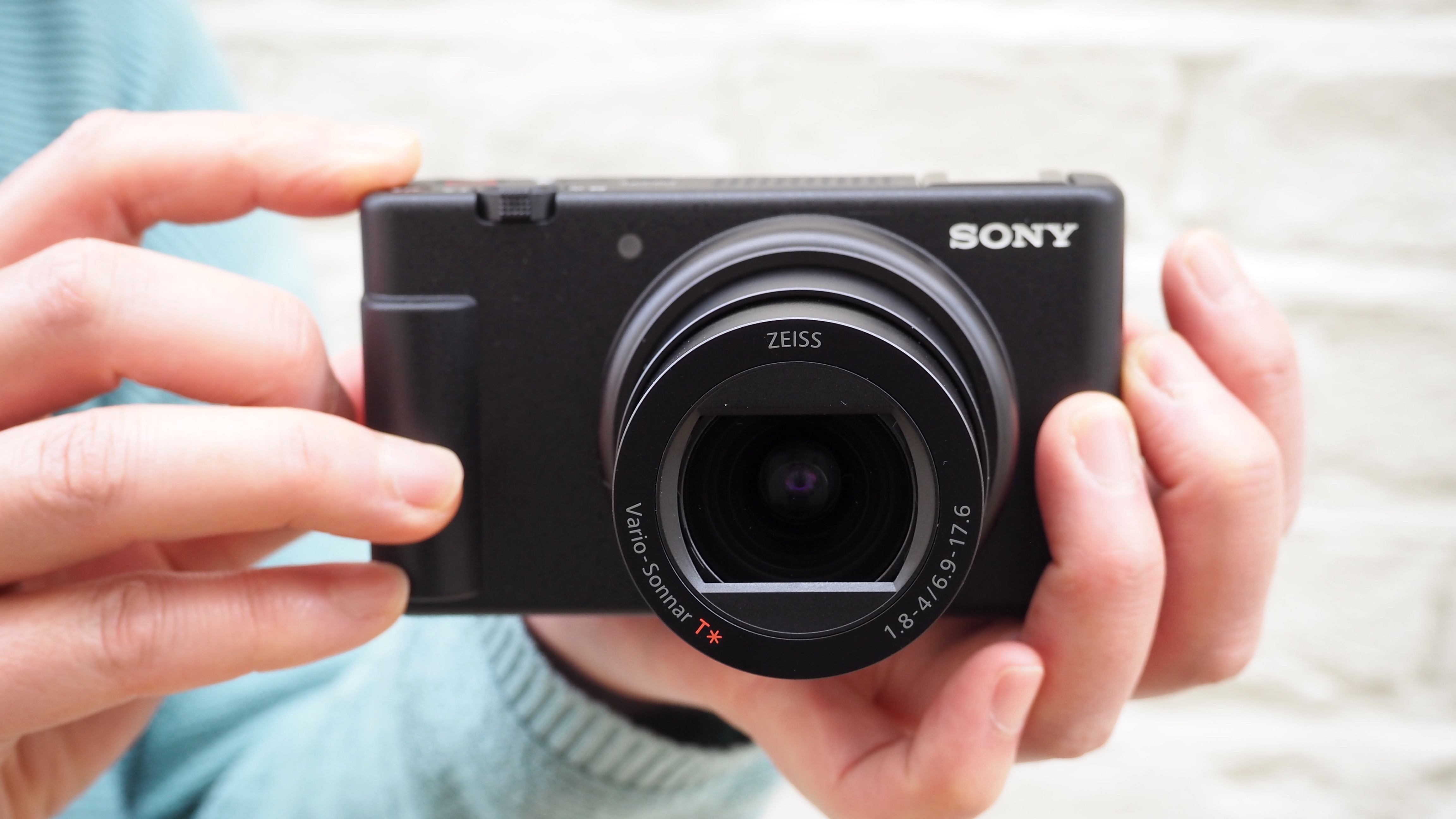
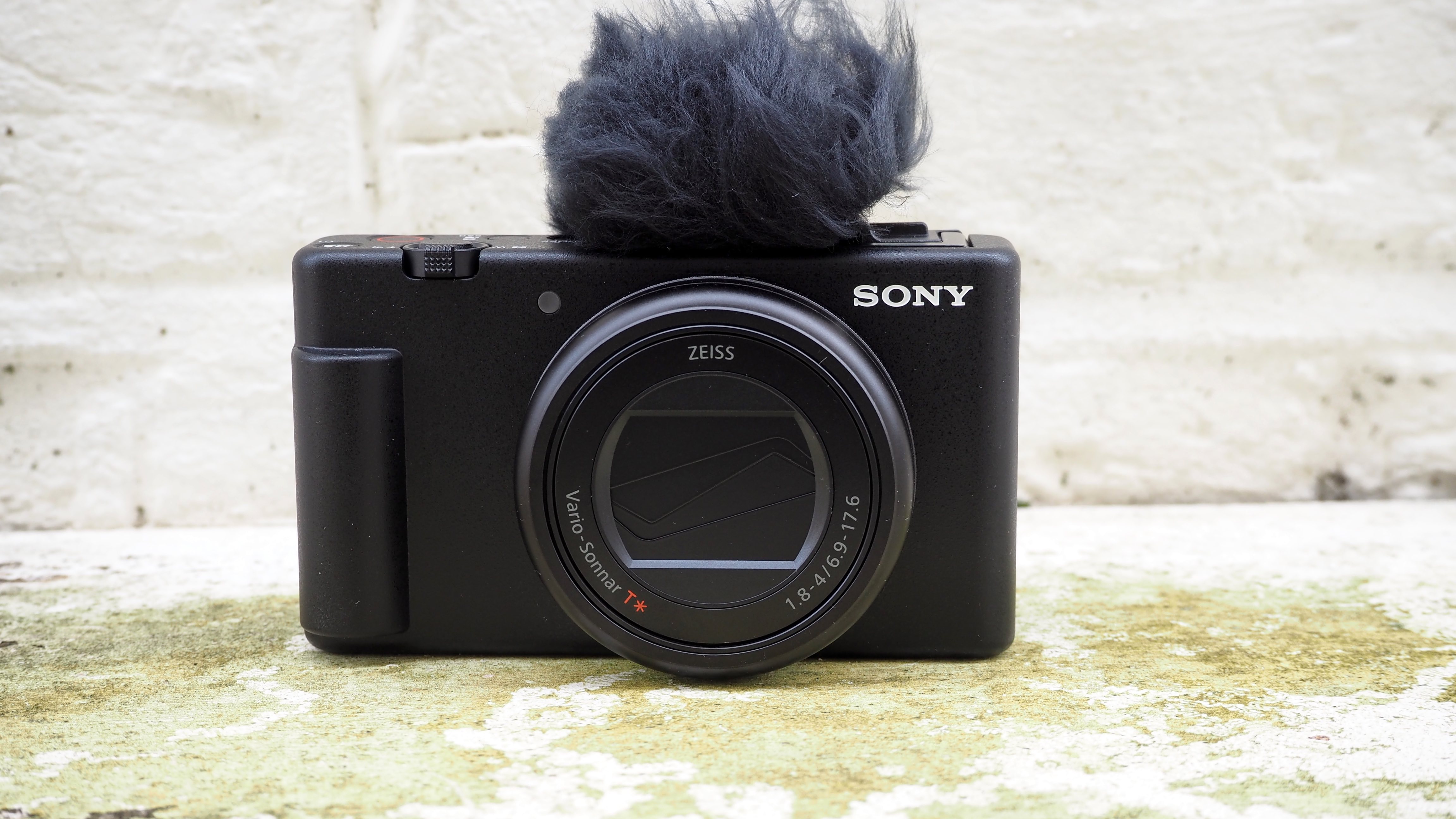
Built-in 18-50mm F1.8-4.0 lens
2x zoom rocker extends focal length to 100mm
During a briefing about the new camera, Sony told us that a wider lens topped the wishlist of ZV-1 users, who indicated the widest 24mm focal length often proved to be not quite wide enough for vlogging. Thus, we have a new lens in the ZV-1 II.
That camera features a 24-70mm F1.8-2.8 lens, whereas the ZV1-II has a much wider 18-50mm F1.8-4 lens that gives more space around the creator who’s self-shooting. The ZV-1F has a fixed 20mm lens, which makes a lot of sense for vlogging, but you don’t get the same versatility for b-roll pickups that a zoom lens gives.
You’ll notice that the telephoto end of the new lens doesn’t extend as far as the ZV-1’s, though, plus the maximum aperture is smaller which could adversely impact image quality in low light. However, the ZV-1 II does also feature a zoom rocker that offers a 2x Clear Image zoom to extend the maximum reach of the lens to 100mm. It’s not an optical zoom, but from experience we’ve never really noticed a drop-off in video quality when using the Clear Image zoom.
(Image credit: Future)
None of these compact vlogging cameras feature in-body image stabilization, and those that want to smooth out walking vlogs without being bogged down by a gimbal will need to use electronic stabilization, which introduces a small crop of the image area – another case for this wider lens.
Lens choice is critical because you can’t swap out the built-in lens of these cameras. If we were to pick one of the ZV-1, ZV-1F or ZV-1 II on lens design alone, the ZV-1 II makes the most sense for vlogging.
Sony ZV-1 II specs and features: Familiar ground
1-inch 20MP sensor
Improved touchscreen function
Multi-directional built-in mic
Next up on notable changes from the ZV-1 is a fully touch capable screen. It might not sound like a big deal, but for such a small camera whose function relies so heavily on the screen, the limits on the ZV-1 screen were a real downer. Be aware that the ZV-1F already offers full touch function.
The built-in 3-capsule microphone has been tweaked too, and users can now select sound from the front, the rear or auto, while the microphone in the other ZV-1 cameras is auto only. It’s ultimately like having a directional mic and can be useful for scenarios where you know the direction you want to prioritize sound from, but from using this function in the ZV-E1, we're not 100% convinced it’s notably better than the auto setting.
(Image credit: Future)
Sony has also rolled out the ‘cinematic vlog setting’ as found in its flagship vlogging camera the Sony ZV-E1, that gives a choice of baked in color presets instead of fiddling around in post. The feature actually makes a lot more sense in this compact camera suited to users of all skill levels – choose how you like the video to look in-camera and shoot, job done.
The USB port has been updated from micro USB in the ZV-1, too, to USB-C here. Otherwise, there’s not a lot else to report. All three of these ZV-1 cameras are virtually the same size and dimensions, utilize Sony’s 1-inch sensor and same generation BIONZ X processor, with 20MP JPEGs and 4K / 30p 8-bit video. Independent of the lens, image and video quality is the same.
(Image credit: Future)
Is the Sony ZV-1 II worth it?
For real world use, the tech in the ZV-1 II is largely unchanged from the ZV-1, save perhaps for the touchscreen. Really, this is all about the new lens, and certainly it’s the most versatile lens of the three ZV-1 cameras for vlogging. Is the price hike justified for a new lens? Debatable. But you'll be able to find out more when our full review of the ZV-1 II lands soon.
from TechRadar: Photography & video capture news https://ift.tt/9aNYnxU
via IFTTT
Photoshop has been steadily adding AI-powered tools to its menus in recent years, but an incredible new demo from an independent research team shows where the best photo editors are heading next.
DragGAN may not be a fully-fledged consumer product yet, but the research paper (picked up on Twitter by AI researchers @_akhaliq and @icreatelife) shows the kinds of reality-warping photo manipulation that's going to be possible very soon. This AI-powered tech will again challenge our definition of what a photo actually is.
While we've seen similar photo editing effects before – most notably in Photoshop tools like Perspective Warp – the DragGAN demo takes the idea and user interface to a new level. As the examples below show, DragGAN lets you precisely manipulate photos to change their subject's expressions, body positions and even minor details like reflections.
The results aren't always perfect, but they are impressive – and that's because DragGAN (whose name is a combination of 'drag' and 'generative adversarial network') actually generates new pixels based on the surrounding context and where you place the 'drag' points.
Photoshop's neural filters, particularly those available in the app's beta version, have dabbled in similar effects for a while, for example giving you sliders for 'happy' and 'anger' expressions for tweaking portrait images. DxO software like Photolab also has U Point technology that lets you point at the part of a photo that you'd like to make local adjustments on.
But the power of the DragGAN demo is that it combines both concepts in a pretty user-friendly way, letting you pick the part of a photo you want to change and then completely changing your subject's pose, expression and more with very realistic results.
When a refined version of this technology ultimately lands on smartphones, imperfect photos will be a thing of the past – as will the idea of a photo being a record of a real moment captured in time.
DragGAN also offers more granular controls, too. If you don't want to change the entire photo, you can apply a mask to a particular area – for example, your dog's head – and the algorithm will only affect that selected area. That level of control should also help reduce artifacts and errors.
The research team has also promised that in the near future it plans "to extend point-based editing to 3D generative models.” Until then, expect to see this kind of reality-warping photo editing improve at a rapid pace in some of the best Photoshop alternatives soon.
Analysis: The next Photoshop-style revolution
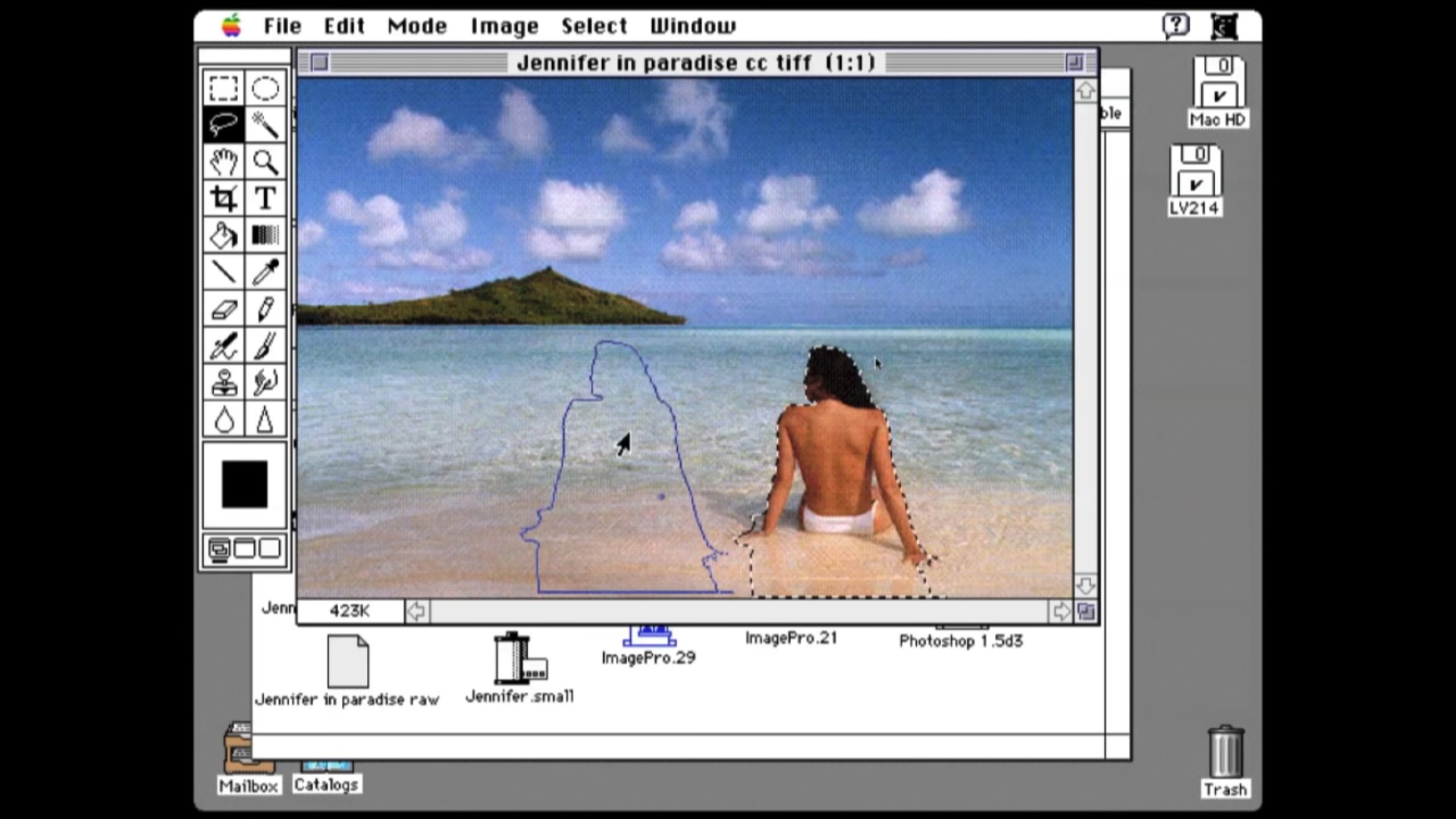
An early demo of the first version of Photoshop, showing the iconic 'Jennifer in Paradise' photo being edited.(Image credit: Adobe)
These AI-powered photo editing tricks have echoes of the first early demos of Photoshop over 35 years ago – and will likely have the same level of impact, both culturally and on the democratization of photo editing.
In 1987, the co-creator of Adobe Photoshop John Knoll took the photo above – one of the most significant of the last century – on a Tahiti beach and used it to demo the incredible tools that would appear in the world's most famous photo editing app.
Now we're seeing some similarly momentous demos of image-manipulating tools, from Google's Magic Eraser and Face Unblur to Photoshop's new Remove Tool, which lets you remove unwanted objects in your snaps.
But this DragGAN demo, while only at the research paper phase, does take the whole concept of 'photo retouching' up a notch. It's reforming, rather than retouching, the contents of our photos, using the original expression or pose simply as a starting point for something completely different.
Photographers may argue that this is more digital art than 'drawing with light' (the phrase that gives photography its name). But just like the original Photoshop, these AI-powered tools will change photography as we know it – whether we want to embrace them or not.
from TechRadar: Photography & video capture news https://ift.tt/fmX7KoC
via IFTTT
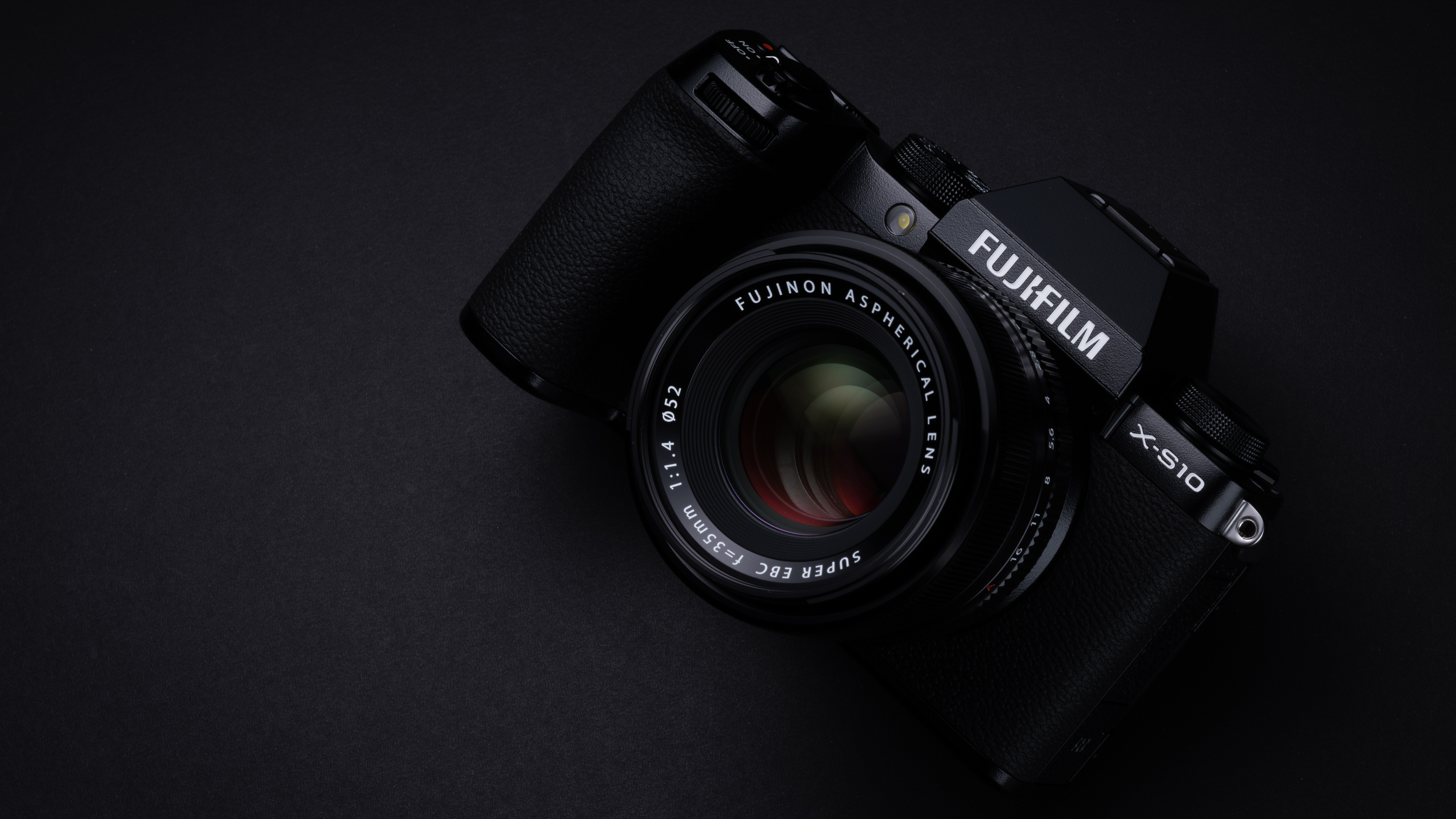
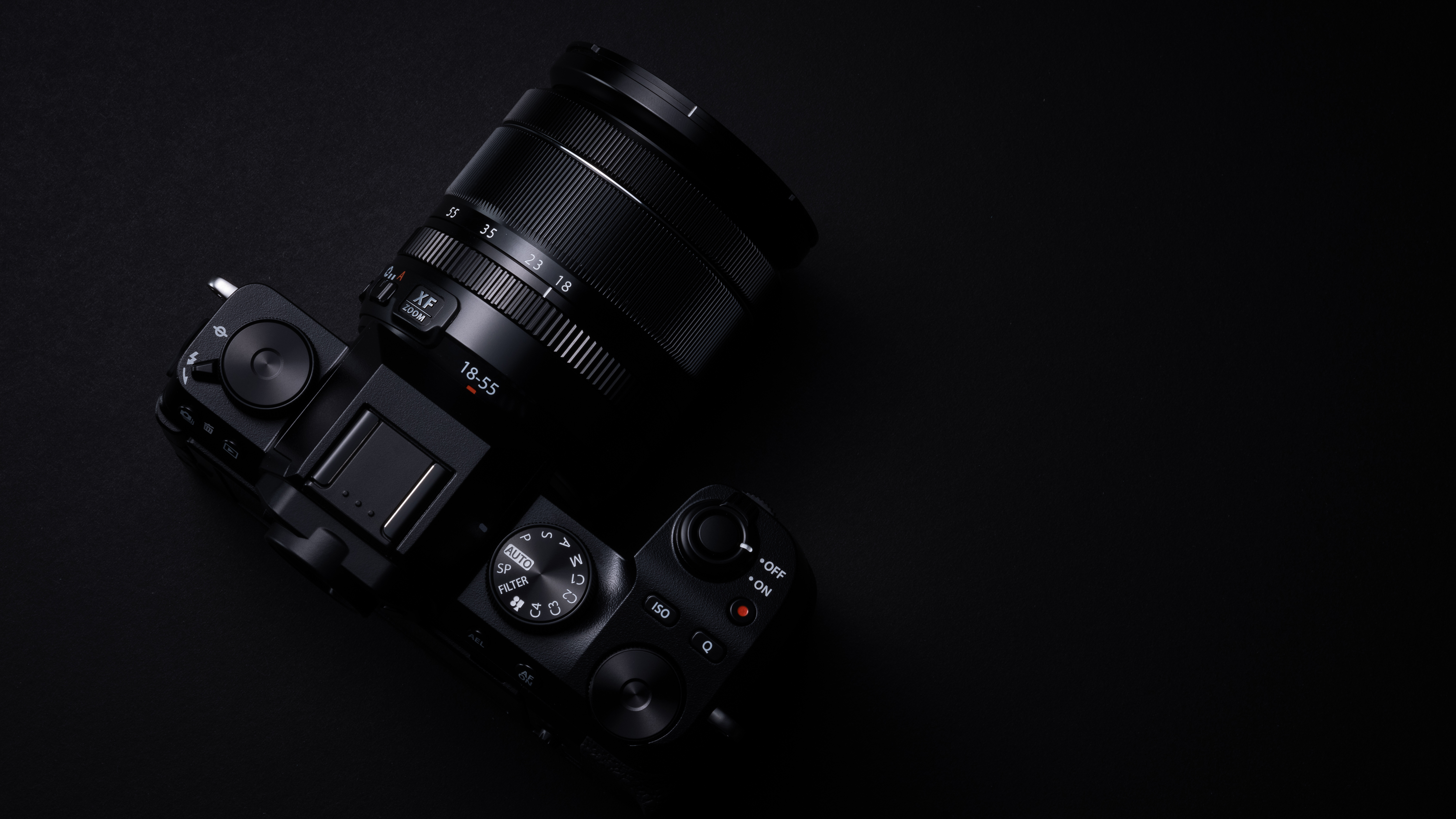
We've long rated the Fujifilm X-S10 as one of the best cameras for beginners, and its rumored Fujifilm X-S20 successor sounds like it could be a big upgrade in some key ways. But unfortunately, a new leak suggests that those improvements will come at a hefty cost.
According to the reliable Fuji Rumors, the Fujifilm X-S20 will cost $1,299 (body only). It isn't yet clear what that pricing equivalent will be in the UK and Australia, but we can get a ballpark figure from the $1,299 Fujifilm X-T30 II kit lens bundle, which costs £1,099 / AU$2,099.
If that price is accurate, it'd represent a chunky price increase of around 30% on the Fujifilm X-S10, which chad a launch price of $999 / £949 / AU$1,699. And it'd place the X-S20 further into a mid-range class, when you consider that the recent arrival of rivals like the Canon EOS R10 ($979 / £899 / AU$1,49).
That could be a perfectly reasonable price increase if the X-S20 brings some powerful new features, and the rumors are pointing towards some improved autofocus powers plus a new X-Processor 5 (also in the excellent Fujifilm X-T5). But it does also suggest that cheap cameras are now becoming something of a rarity.
(Image credit: Fujifilm)
Back in the days of DSLRs, you could buy an entry-level camera like the Nikon D3500 with a kit lens for $499 / £499 / AU$690. Clearly, Fujifilm's X-S range is a more premium than that DSLR, but cheaper models like the Fujifilm X-T200 are near-impossible to find in stock. But it'd be a shame to see the X-S20 disappear so far into the kind of four-figure price territory that'll be beyond most beginners.
The demise of lower-priced DSLR and mirrorless camera models is why our guide to the best cheap cameras mostly contains older models that have seen their prices drop significantly over the years. If your budget is a little tight, it's also worth checking out our guide on how to buy a second-hand DSLR or mirrorless camera.
But what else do we know about the rumored Fujifilm X-S20 and could it ultimately win us over despite an apparent price bump? Here's everything we know about the mid-range mirrorless camera.
Cut to the chase
What is it? Fujifilm's next mid-range mirrorless camera
When is it out? The rumors suggest a launch on May 24
How much will it cost? Likely around $1,299 / £1,099 / AU$2,099
Fujifilm X-S20 release date and price
The Fujifilm X-S20 is highly likely to be announced during the company's next X Summit event, which kicks off on May 24.
Fujifilm had originally planned to host its X Summit in April, but delayed it by a month. It isn't yet clear what else Fujifilm might announce at the event, but a recent deluge of X-S20 leaks and rumors suggest it'll almost certainly be revealed at the event.
So far, there hasn't been any speculation about an on-sale date for the camera, so we'll likely have to wait until the X Summit to discover that.
What about the X-S20's price? On May 18, a Fuji Rumors post claimed that the camera will be more expensive than the X-S10, costing $1,299. Based on equivalent pricing elsewhere in Fuji's range, that could work out as around £1,099 / AU$2,099.
If that's the case, this would make the X-S20 around 30% pricier than the current X-S10. This could put in direct competition with the rumored Sony A6700, and would put it a level above entry-level mirrorless cameras like the Canon EOS R10.
Fujifilm X-S20: news and leaks
Our Fujifilm X-S10 review called it "one of the best small, mid-range mirrorless cameras you can buy", due to its combination of great handling, the same sensor as the Fujifilm X-T4 and in-body image stabilization (IBIS).
The latest X-S20 rumors suggest the camera won't mess with that formula, instead bringing more of a vlogging focus plus a few spec improvements. According to a Fuji Rumors post on May 15, a key one could be much-improved subject tracking autofocus – in fact, the camera may even trump its higher-end siblings here (for now, at least).
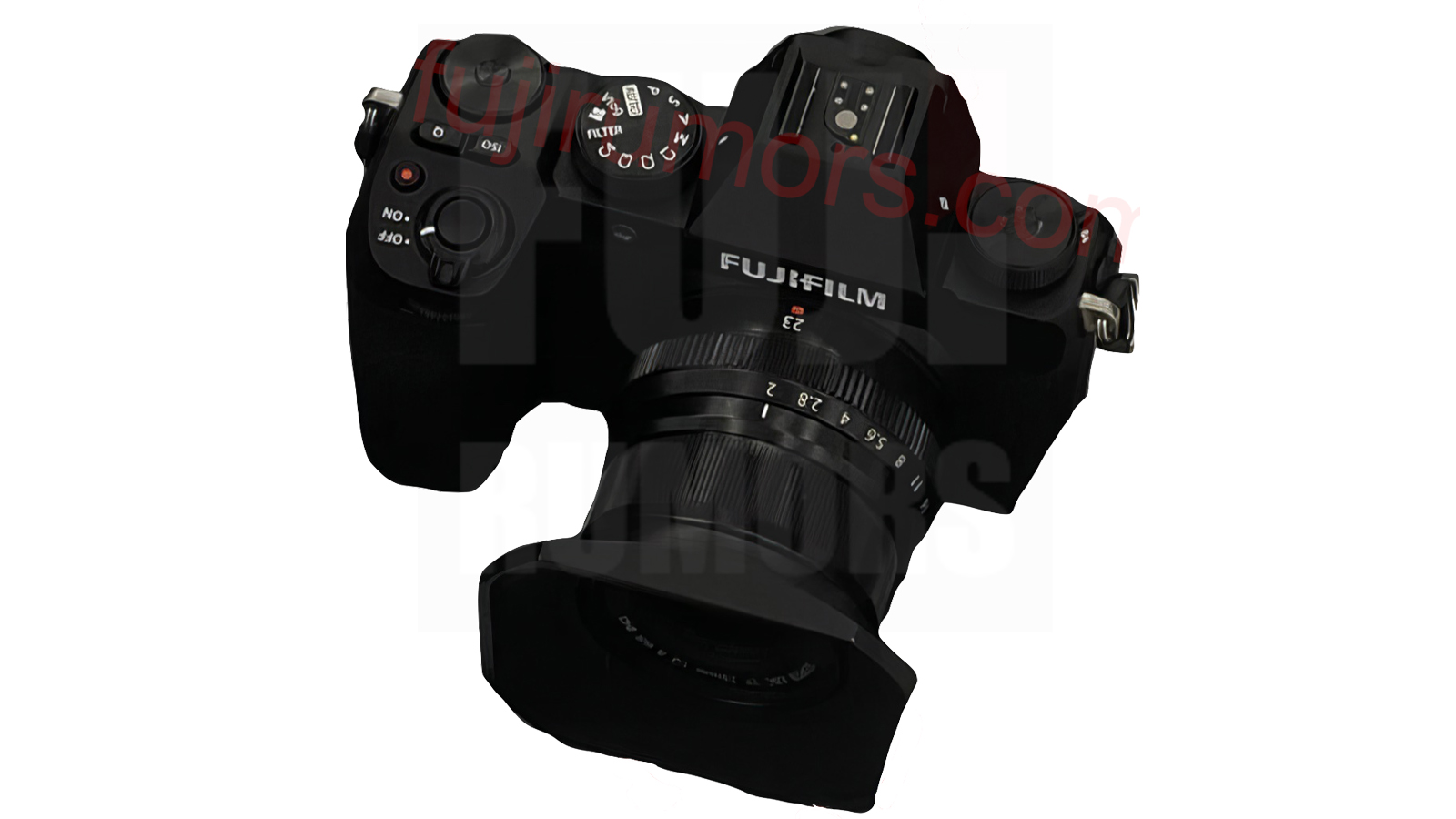
This apparently leaked photo of the Fujifilm X-S20 from Fuji Rumors suggests it hasn't changed a great deal from the X-S10, aside from the dedicated 'Vlog' mode on the dial.(Image credit: Fuji Rumors)
The X-S20's automatic subject and scene recognition modes will seemingly get a boost from those on the X-S10, allowing the camera to pick a film simulation to suit the scene. But the main boost could be an automated autofocus mode, which could allow the X-S20 to recognize what's in your scene – from people to animals or cars – and start tracking them.
This would differ from current Fujifilm cameras, in which you have to manually choose the subject you want to track with autofocus in the settings. In theory, that could be a pretty powerful feature for beginner photographers.
While the Fujifilm X-S20 is expected to have the same 26.1MP X-Trans CMOS 4 sensor as its predecessor, the rumors suggest it'll pair this with the newer X-Processor 5. In turn, this will likely help power some improved video features, including the ability to shoot 6K/30p and 4K/60p (the X-S10 topped out at 4K/30p), although it isn't yet clear of either of these coming with a crop.
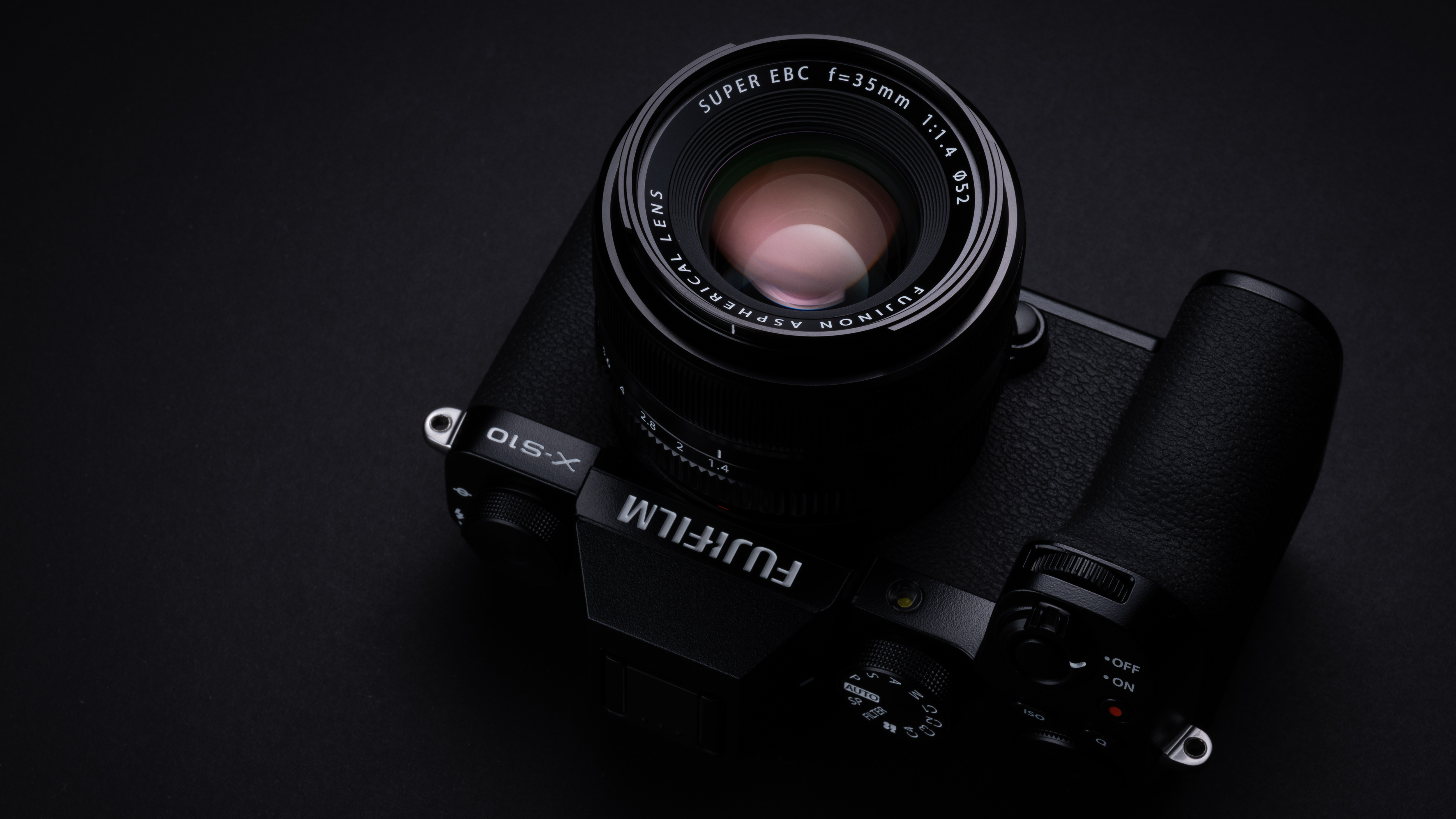
The Fujifilm X-S10 (above) remains a stylish camera with good handling for those who prefer a DSLR-style PASM control system.(Image credit: Fujifilm)
Talking of video, a more recent Fuji Rumors post on May 19 claims that the X-S20's dedicated 'Vlog' mode (which will appear on its mode dial) will provide some handy, YouTuber-friendly features that are similar to the ones we've seen previously on Sony cameras like the Sony ZV-E10.
These will apparently include a 'Product Priority Mode' (which, as the name suggests, tells the autofocus to prioritize a product that temporarily appears in the frame, even during when face recognition is enabled) and 'Background Defocus Mode' for those who want some lovely bokeh, but don't necessarily know what manually settings to use to get it.
In terms of design, the X-S20 looks near-identical to the X-S10. The main change will apparently be the inclusion of Fuji's newer NP-W235 battery, which is a big improvement on the older NP-126S seen on its predecessor. Though it isn't yet clear whether or not the X-S20 will bring weather-sealing, which is one of the key missing features on the X-S10.
Fujifilm X-S20: early thoughts
Our four main complaints about the Fujifilm X-S10 were its lack of weather-sealing, average battery life, limited touchscreen and an autofocus system that was slightly behind the best mirrorless cameras in its class.
Naturally, it won't be possibly for the Fujifilm X-S20 to fix all of these issues completely, otherwise it'd be too similar to the pricier Fujifilm X-T5. But given the rumors about its price tag potentially jumping up to $1,299, it's going to need to make bigger improvements across the board than if it had remained closer to the X-S10's original $999 / £949 / AU$1,699 price tag.
(Image credit: Fujifilm)
The rumors suggest that the X-S20 will get big autofocus, battery and video boosts, and the inclusion of the same 26.1MP X-Trans CMOS 4 sensor as before would be absolutely fine by us, given it's a tried-and-tested chip that we've long considered to be one of the best in APS-C cameras.
We'd love to see an improved electronic viewfinder and weather-sealing, though that's looking unlikely. And there is a chance that the X-S20 could get caught in between cheaper offerings like the Canon EOS R10 and the Fujifilm X-T5, which offers good value at $1,699 / £1,699 / AU$3,199.
But we'll save our final verdicts for when the X-S20 is out in the wild, most likely soon after the Fujifilm X Summit on May 24.
from TechRadar: Photography & video capture news https://ift.tt/5cdLyWC
via IFTTT
Ricoh has confirmed that it’s working on a new Pentax compact film camera, with more models on the horizon, as part of its Film Camera Project, which it announced last year.
Ambitious plans to bring new Pentax film cameras to market caused a stir in the film camera community, but the move made complete sense: like vinyl, film photography has enjoyed an extended time in the sun recently, if the surging price of film and analogue cameras is anything to go by.
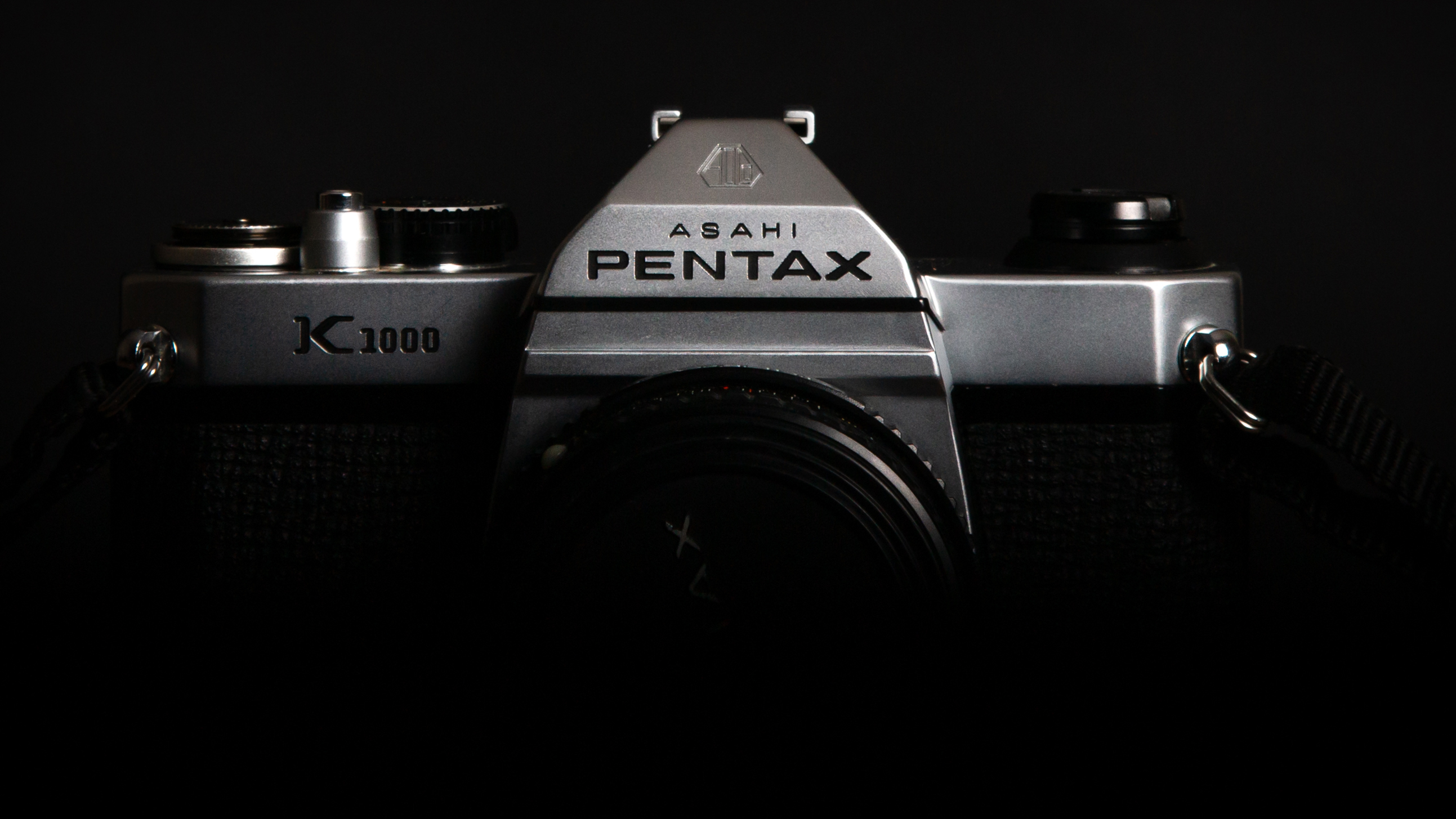
Film and Pentax are a perfect match given its rich film camera heritage with legendary cameras like the K1000, and it makes sense for Pentax to focus on film instead of the dormant DSLR camera market that it has persisted in – I really can see Pentax leading a film resurgence.
At the time of the original announcement, details of the Film Camera Project were scant, plus we couldn’t even bank on new film cameras becoming a reality – this was news about forming a research and development team and not a product pipeline. Half a year later we finally have some encouraging details, and here’s what we can expect.
A fixed-lens compact surpassing the Kodak Ektar H35
In the video below, Pentax design team member Takeo Suzuki says the first camera to be launched under the Film Camera Project banner will be a newly designed fixed-lens compact, with some parts coming from existing cameras.
There aren’t too many technical details yet – we don’t know what the lens will be, we can’t be completely sure if the camera will use full-size 35mm film, nor are there any photos showing what the new camera will look like. However, the concept is clear: this is a Gen Z compact camera “that makes taking photos a joy, and that’s a pleasure to carry around every day”, says Takeo.
Where does the joy come from? Takeo goes on to say, “It’s the entire picture-taking process that makes photography so exciting and so much fun”, and it’s the tactile experience of the new camera that includes a film winding mechanism, “which doesn’t exist in digital cameras”, that will give all the feels.
To be more precise: expect a new SLR-style hand-wound lever-action mechanism featuring a ratchet wheel with audible feedback, reimagined in a modern compact camera. The new camera sounds like a supercharged Kodak Ektar H35.
Winding up
Most of the video announcement details the lengthy design process – which charmingly included input from previous-generation engineers – and the reasoning behind choosing a hand-wound mechanism. Near the end of the video Takeo hints at what a future Film Camera Project camera will be:
“First will be a compact camera with an SLR-type, hand-wound mechanism. This gives us the possibility of installing the same mechanism in an SLR camera body when we decide to produce a film-format SLR in the future…and lead us to the future development of other products.”
(Image credit: Zigmar Stein / Shutterstock)
In a heartfelt finale, Takeo adds, “The goal of the project is not only to produce a new camera but to create a solid environment in which those who witness this project and those who love film photography can more freely express their ideas, opinions and hopes.”
I for one am rooting for the project and its collaborators, and can’t wait to find out more.
from TechRadar: Photography & video capture news https://ift.tt/4ernbN2
via IFTTT
It’s been said before, but now it feels real: the sun is setting on DSLRs. In fact, it’s twilight.
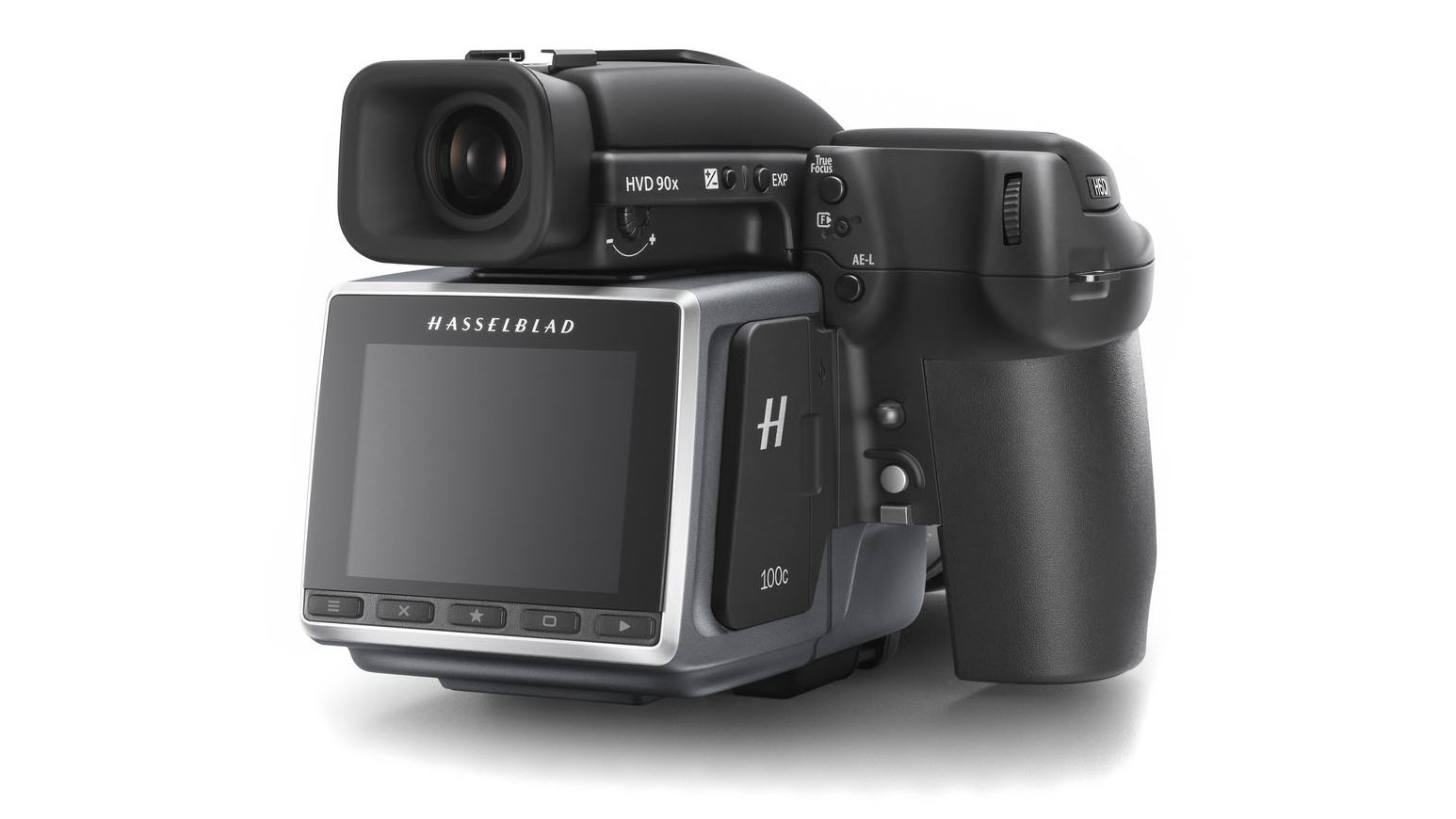
I write this after news from a leading medium format supplier and Phase One partner Capture Integration, detailing that Hasselblad has discontinued its production of H System medium format DSLRs.
In fact, all H System products are out of stock – cameras, lenses, battery grips – although Hasselblad will continue its repair service in Sweden, which could take a lot of time depending where you are in the world.
It’s one more nail in the DSLR coffin, and in this case I can’t say that I’m surprised one bit.
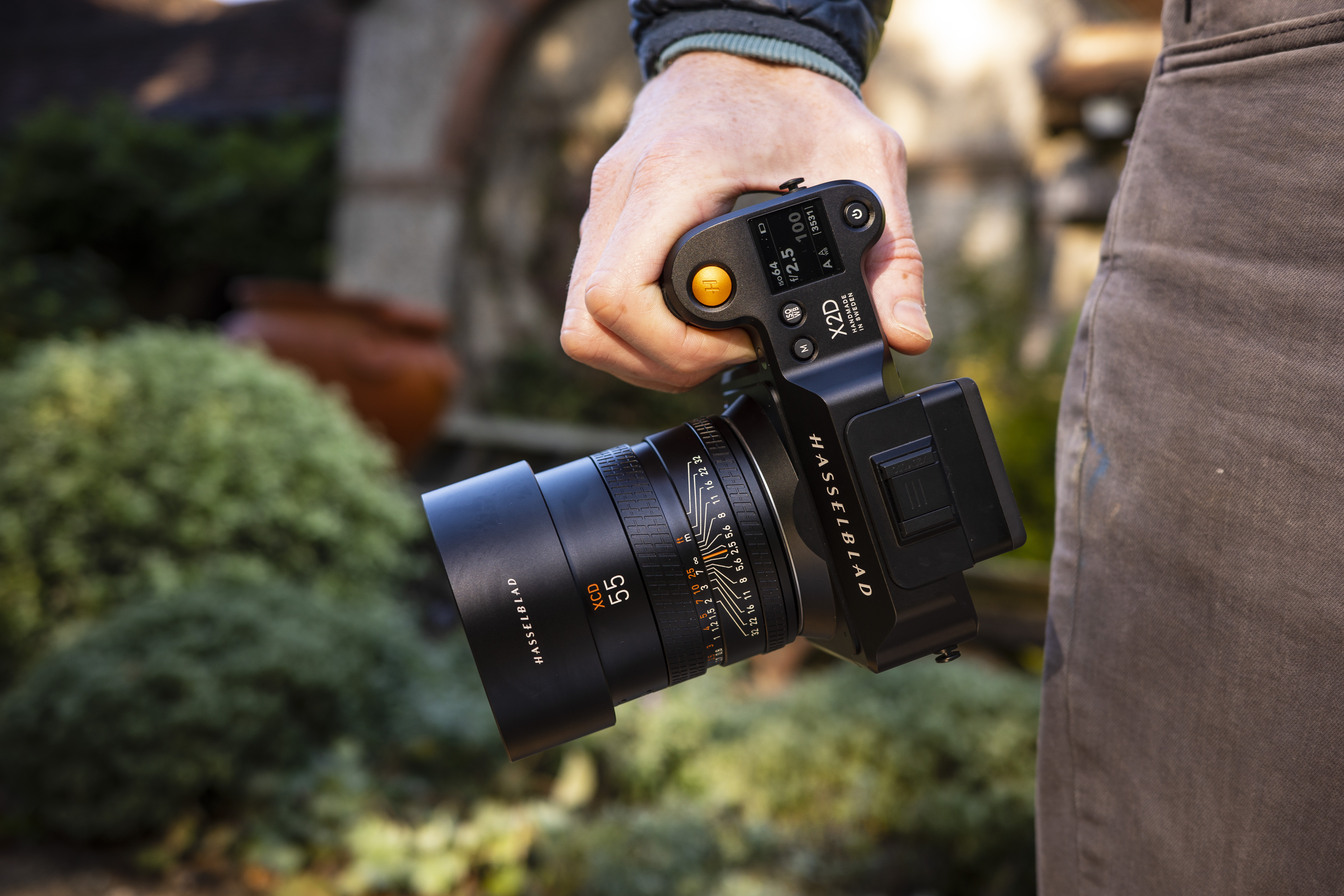
Yes, the Hasselblad H System (that utilizes Phase One digital backs) was long considered the standard for professional studio photographers, but its most recent DSLR camera was the H6D that was launched in 2016 and it costs around $35,000 / £30,000 body only. Mama mia.
(Image credit: Hasselblad)
The H6D was a beast back then, compatible with a 100MP Phase One digital back, but Hasselblad has since been acquired by DJI and entered the mirrorless camera space with its excellent X System, which includes the Hasselblad X2D 100C that I had the best time reviewing and is one of the best cameras for photography in 2023.
Not only does a camera like the X2D 100C handle and perform better than its DSLR ancestors – I was blown away by its 100MP sensor with in-body image stabilization – but it’s a relative snip at $8,199 / £7,369.
(Image credit: Future)
There were other influences in the demise of the H System, too. Pentax made medium format DSLRs way more affordable than the H System with the Pentax 645Z, while of course Fujifilm is also active in the mirrorless medium format space, featuring cameras like the Fujiflm GFX100S.
It’s a sad moment for an elite group of professionals who could afford working life with the H System. And as the legacy Hasselblad H System bites the dust, how does the picture look elsewhere for other brands in the DSLR space?
Are DSLR cameras really dead?
The word discontinued hasn’t officially been used by either Canon or Nikon, but the writing is on the wall. Nikon has said its focus is on mirrorless, and the proof is in the pudding when we look back over the lack of activity in the DSLR space.
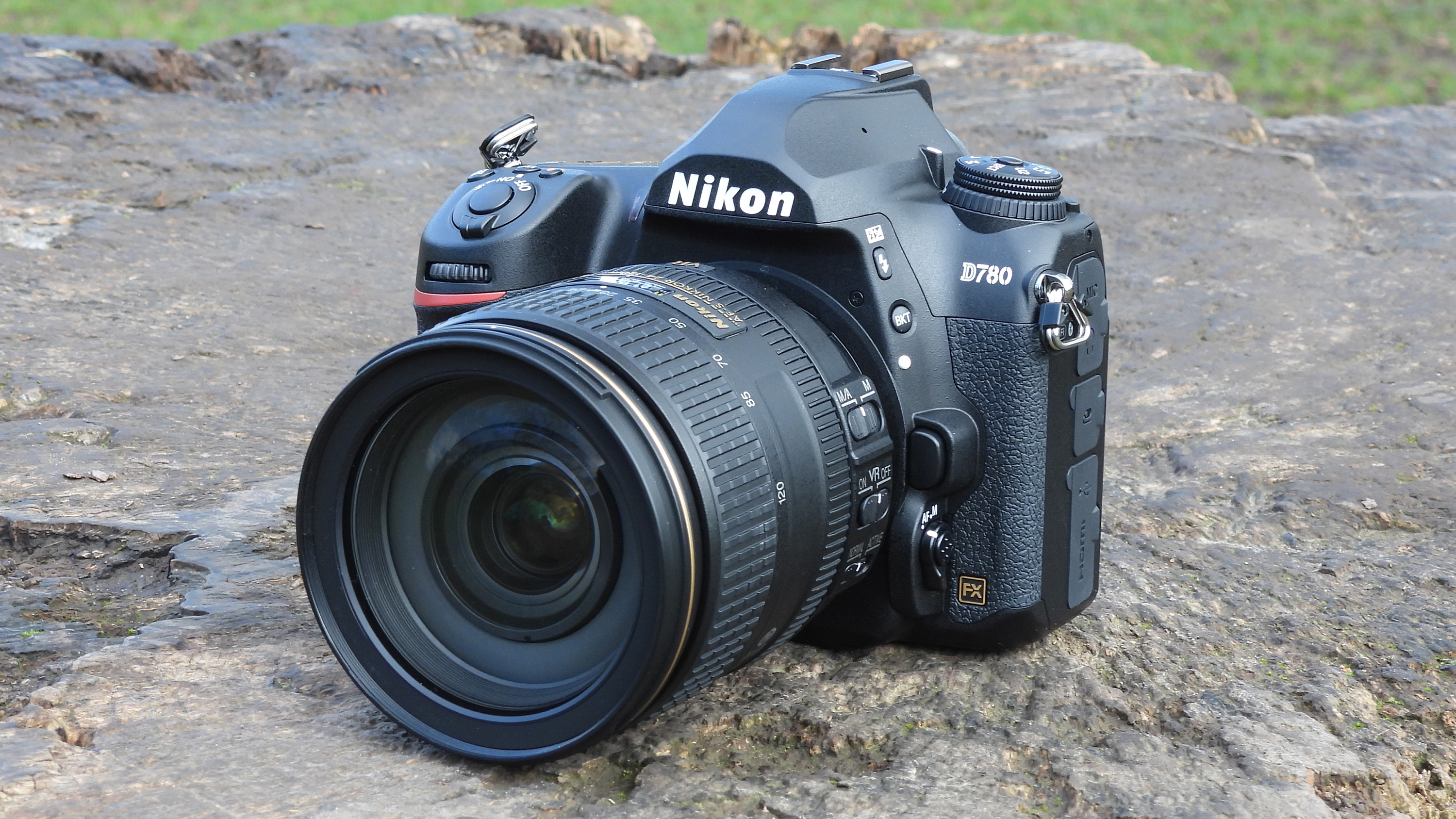
You can still pick up new Canon and Nikon DSLR cameras and lenses, but the most recent cameras off the production line were the Canon EOS 1DX Mark III and Nikon D780, both from the first quarter of 2020.
(Image credit: Future)
Both companies are approaching five years in their respective mirrorless camera systems; the Canon RF lens mount for Canon EOS R cameras, and the Nikon Z lens mount for Nikon Z cameras. Mirrorless versions of their DSLR cameras have been made, and both companies appear all-in with mirrorless.
(Image credit: Ricoh)
That leaves us with Ricoh-owned Pentax, the single torch bearer with its Pentax DSLR cameras. To be fair, we did get a new DSLR earlier this year, the Pentax K-3 Mark III Monochrome, which is an updated version of the K-3 Mark III (from the first quarter of 2021), with a black-and-white sensor, as its name suggests.
A faint glimmer of hope then, but what is Pentax really up to these days? Well, it’s getting back into film, actually. DSLR cannot compete with mirrorless, but film on the other hand? That’s a whole other trending market. I wouldn’t expect more Pentax DSLR activity for the foreseeable future.
Secondhand life
Just because production has ceased for some and majorly reduced for the rest, that doesn’t mean DSLRs are obsolete. We all know you can get great photo and video quality with DSLRs, even if finding one new will become all the harder, and it will be nigh on impossible to pick up a Hasselblad H System camera now, no matter how much money you have.
There will be a good supply of Canon, Nikon and Pentax DSLRs in the secondhand market, where you can bag a great deal. So while there is very little that is truly new in the DSLR market, it could be the leading secondhand camera for photographers for some time to come.
from TechRadar: Photography & video capture news https://ift.tt/zjekZmV
via IFTTT
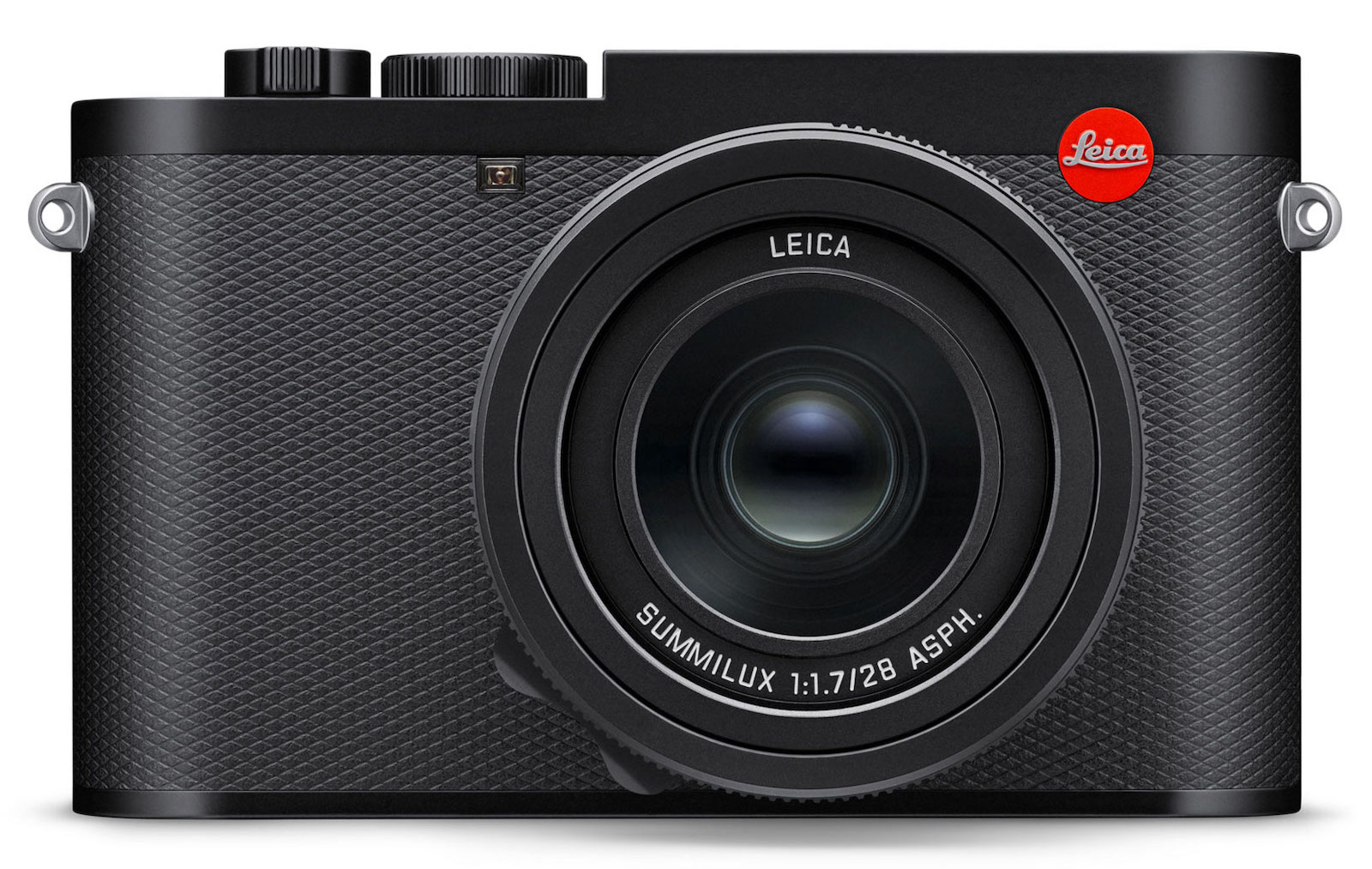
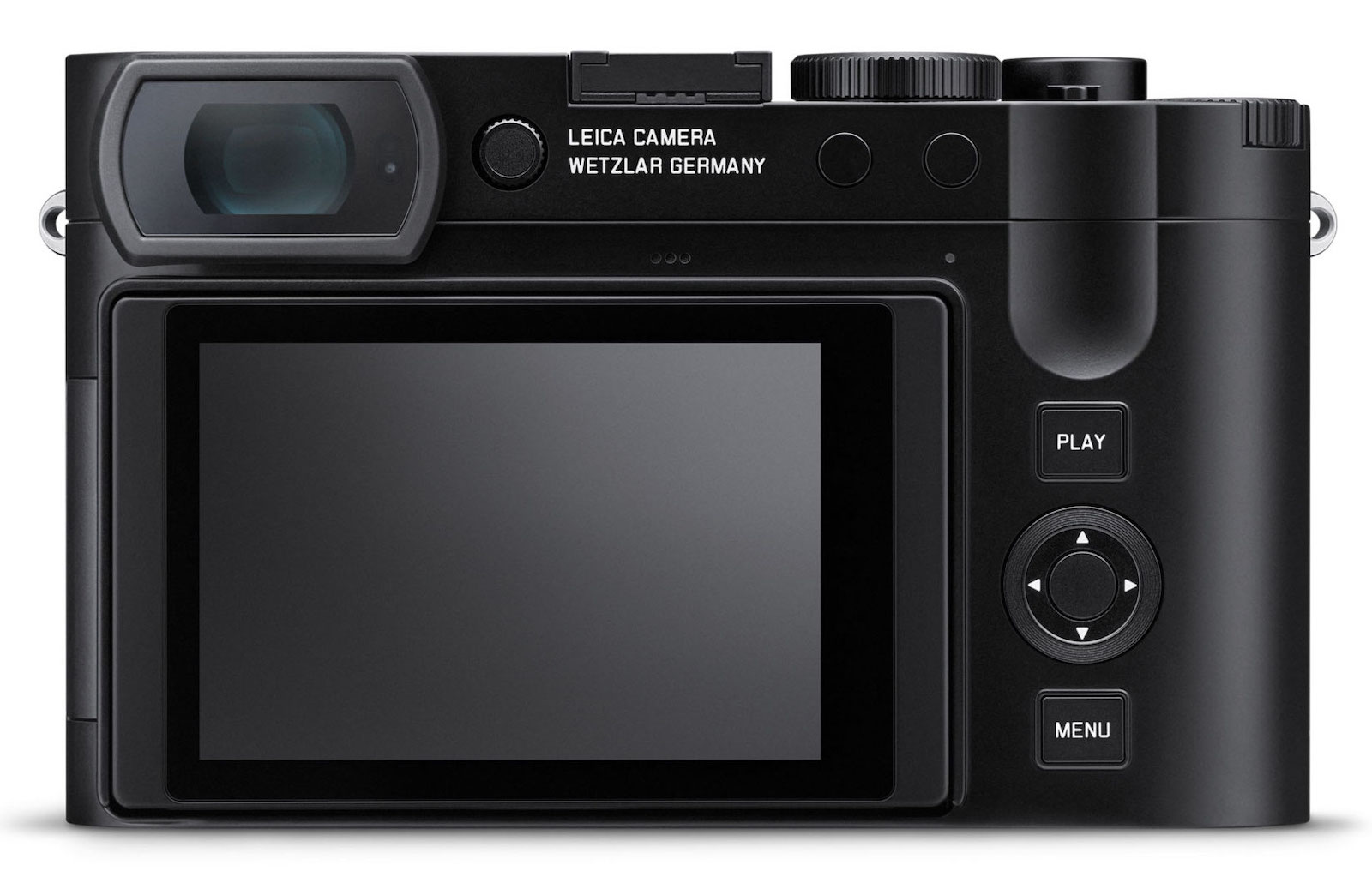
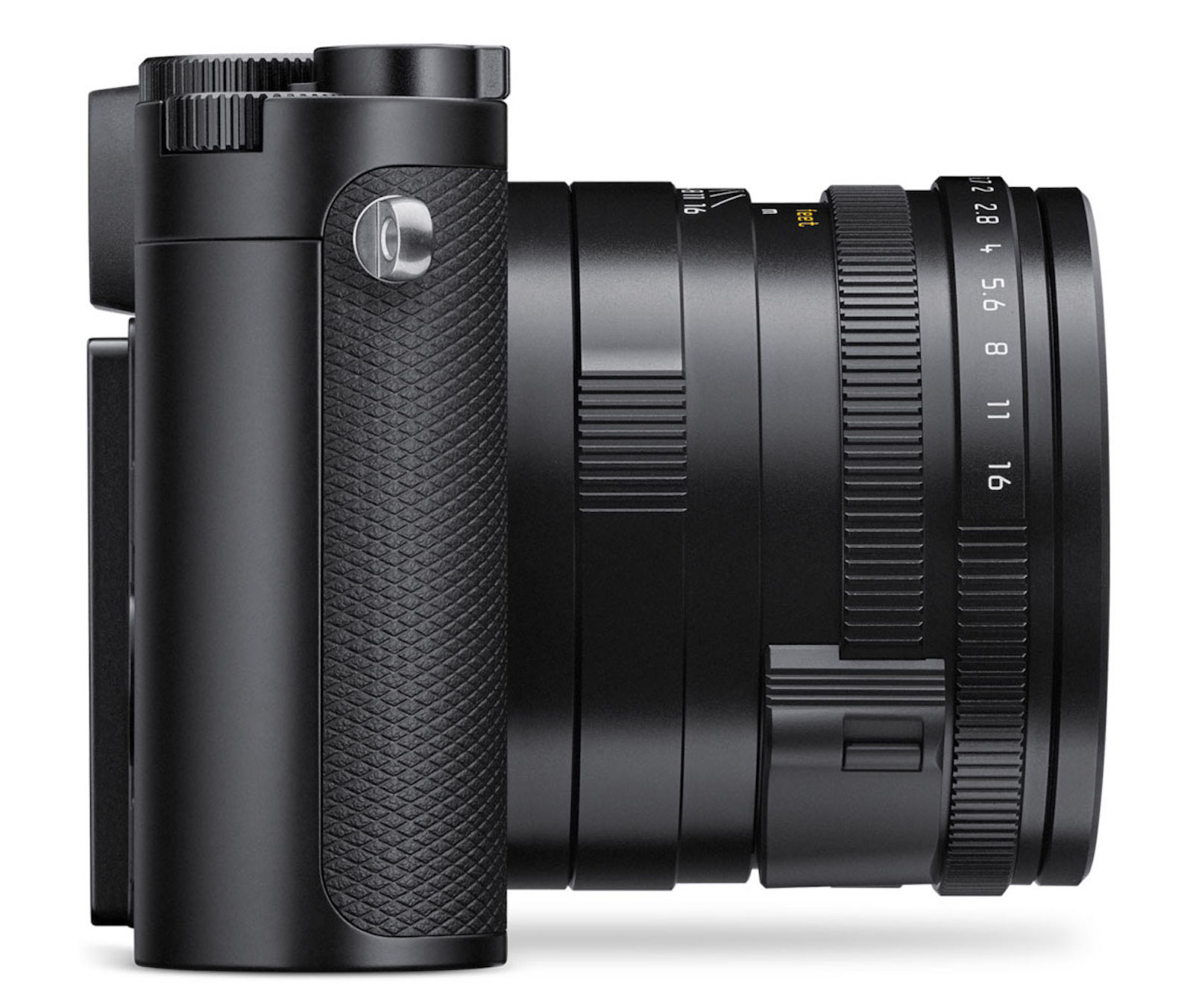
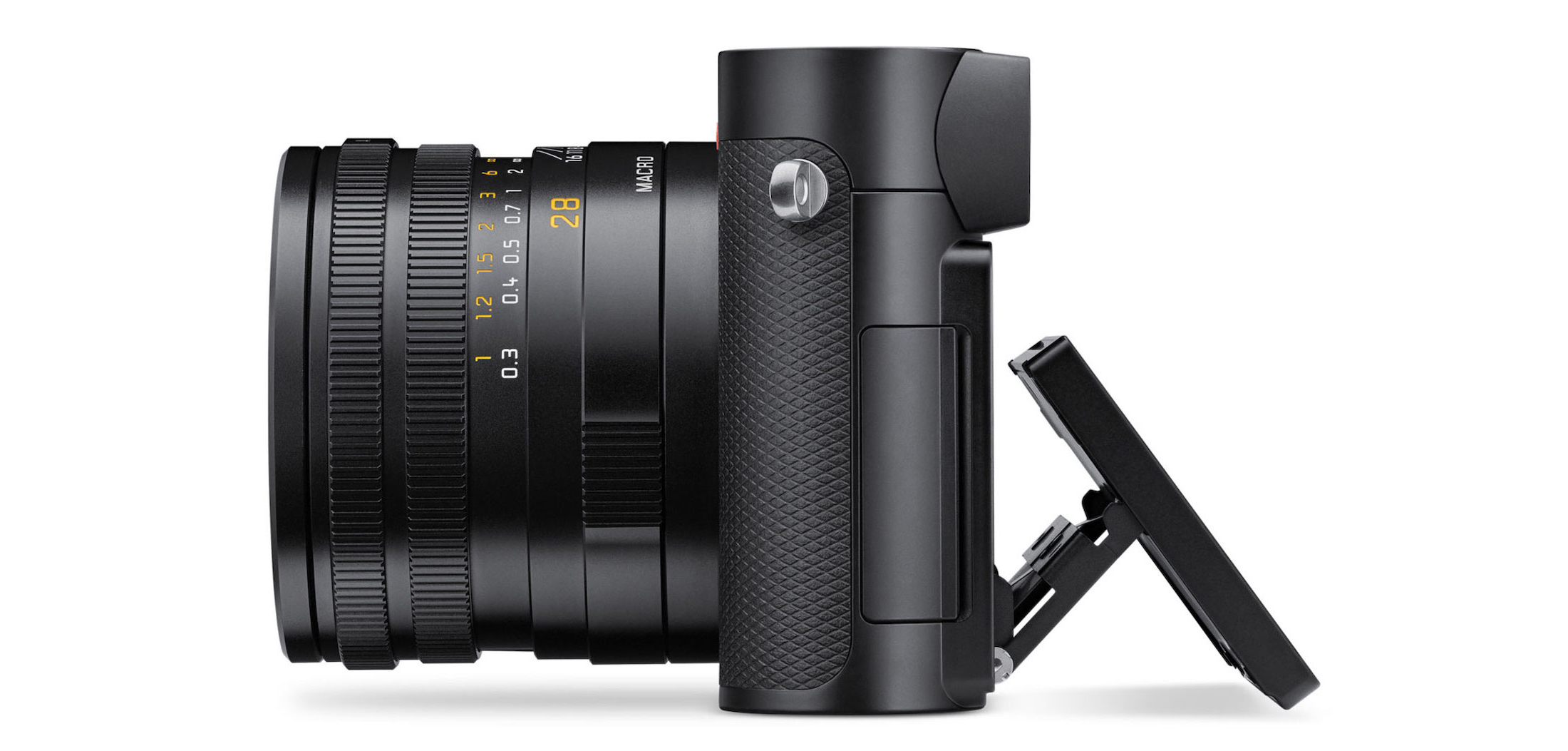
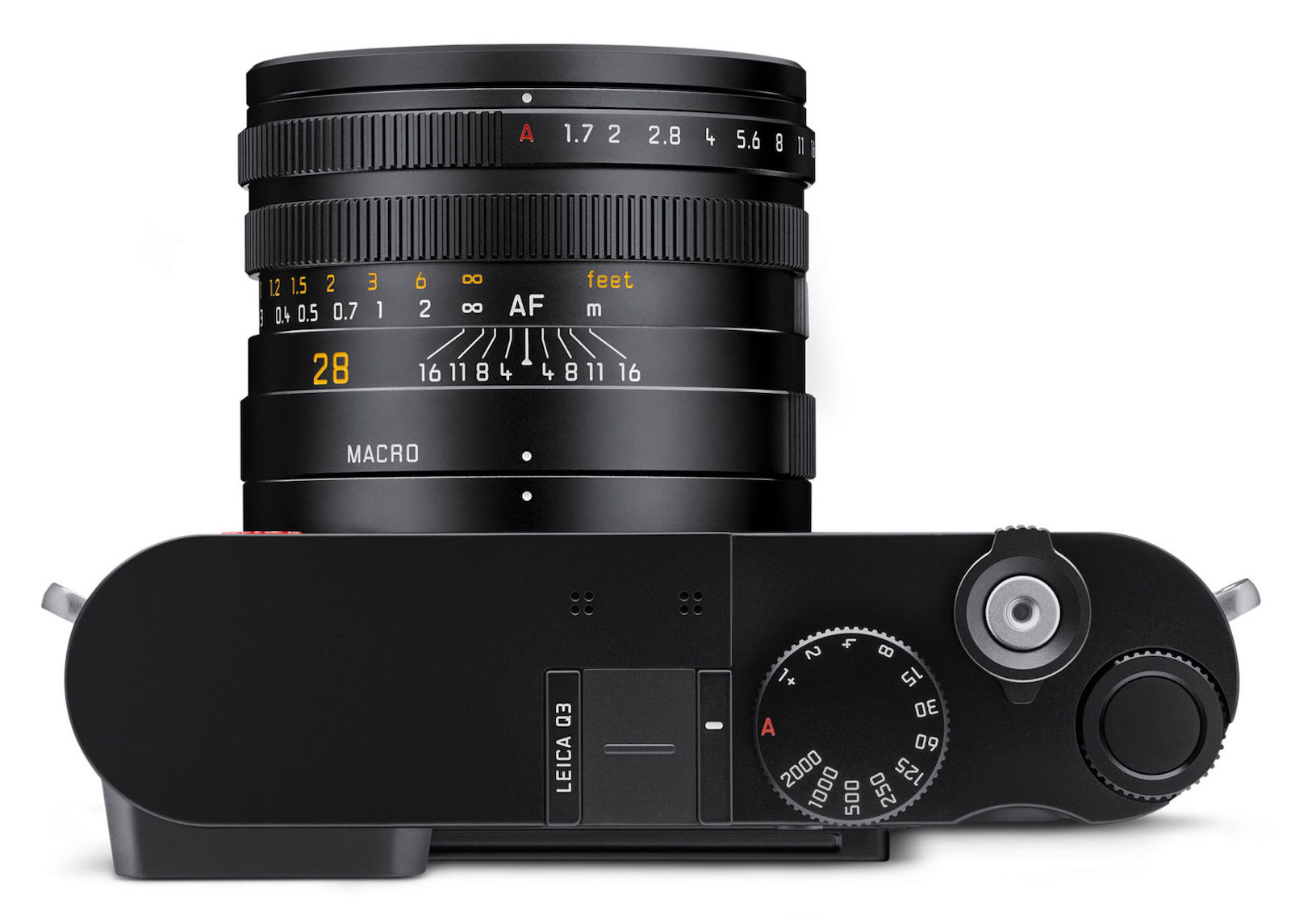
It’s long been a case of when, rather than if, and now it appears the wait for the rumored Leica Q3 is almost over. The camera is tipped for a May 26 launch, and new pictures have leaked that, if real, confirm what street photography Leica-ites have hoped for: the Q3 will feature a new tilt-screen design.
We’ve included the Q3 leaked pictures, courtesy of Leica rumors, below, and they suggest that the camera will indeed get a tilt touchscreen rather than a fully articulated (flip out to the side) screen.
A tilt-screen makes waist-level shooting – a long favored shooting technique for street photography – all the easier, as you can look down to view what the camera sees, rather than shooting blind with a fixed screen like the one in the Leica Q2 / Leica Q2 Monochrom.
It’s not all about the new tilt-screen, though; the fixed-lens full-frame Q3 looks to be a classic minimalist masterpiece, sporting improved features with a modern twist. In fact, if all the rumors are on the mark, we’d pitch the Q3 as the most compelling Leica to date. Let’s recap what else we’re expect from the Q2 successor.
More pixels, more flexible
The 60MP full-frame sensor in the Leica M11 is expected to find its way into the Q3, which would represent a solid bump in resolution from the Q2’s 47MP. You might not need the extra pixels per se, but in a camera like the Q3, which we assume will also feature a wide-angle 28mm f/1.7 lens, more pixels makes more sense.
The Q2 has focal length simulation modes, whereby you can shoot at 35mm, 50mm and 75mm. What the camera is actually doing is cropping into the 28mm field of view, and therefore the resolution drops – so more pixels gives more detail for every one of those settings, making them more usable.
Image 1 of 4
(Image credit: leicarumors)
Image 2 of 4
(Image credit: leicarumors)
Image 3 of 4
(Image credit: leicarumors)
Image 4 of 4
(Image credit: leicarumors)
You might also be thinking that a higher resolution like 60MP is less forgiving, showing up any focusing errors or camera shake all the more, but the Q3 is rumored to feature improved phase-detection AF plus in-body image stabilization, which should go some way to ironing out those issues.
Whether or not the extra resolution unleashes higher-resolution 8K video, too, we’ll have to wait and see.
Doing things differently
Leica does traditional rangefinder design very well, but that doesn’t mean it eschews the latest technology.
Like the M11, the Q3 is tipped to feature internal memory (in addition to its SD card slot) with enough storage for around 700 raw images. And, improving on the Q2, there will now be a USB-C port through which the camera can be charged on-the-go. But there’s a new feature that’s even more intriguing.
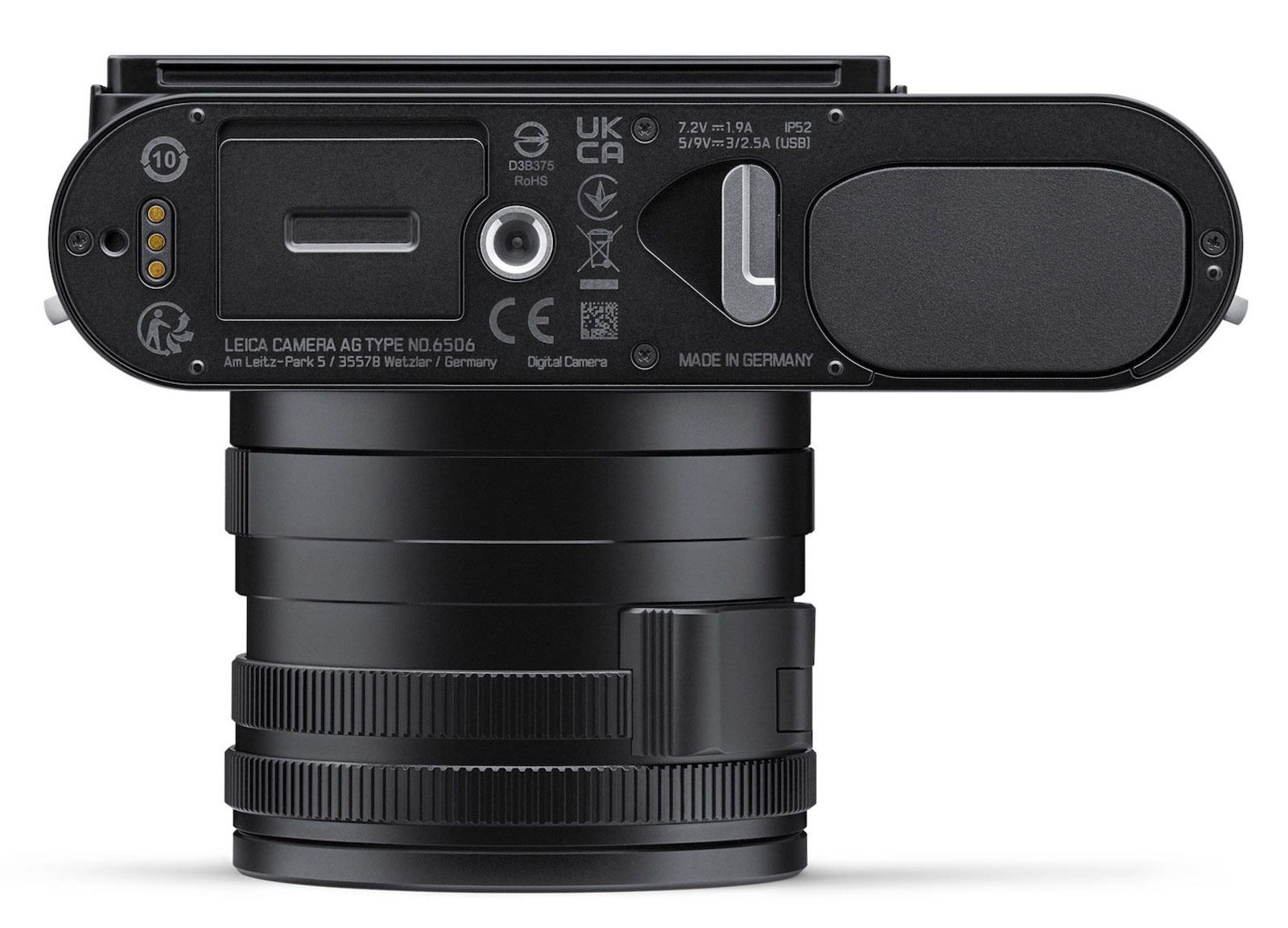
In leaked pictures, the underside of the camera seems to reveal electronic contacts that are rumored to be for a handgrip that also enables wireless charging. Think of how an electric toothbrush sits in a charging dock – something similar could be in store for the Q3. We can’t think of another camera (excluding smartphones) with this type of wireless function.
Image 1 of 2
(Image credit: Leicarumors)
Image 2 of 2
(Image credit: leicarumors)
Given Leica’s track record, a wireless charging handgrip is likely to be a pricey extra, and we expect the list price of the Q3 itself to exceed that of its predecessor, too – the Q2 is currently $5,795 / £5,100 / AU$9,290. The Q3 will certainly cost a lot of money, but unlike the interchangeable-lens M11, the fixed lens here is built-in, so in Leica terms we’re at the more reasonable end of the price scale.
We will bring you all the details of the Leica Q3 when the camera is officially launched, closely followed by our first impressions in our hands-on review.
from TechRadar: Photography & video capture news https://ift.tt/oxgj8QP
via IFTTT
Even the world's best drones can sometimes be tricky to fly accurately, particularly if you're trying to frame shots at the same time. Which is why DJI appears to have made a browser-based drone simulator to let you practice your flying skills.
DJI hasn't actually announced the simulator, so we don't know if it's an official game that's ready for release yet. However, you can give it a spin by going to start.dji.com and following the on-screen instructions (warning: it's currently only in Chinese, so you may need a hand from Google Translate).
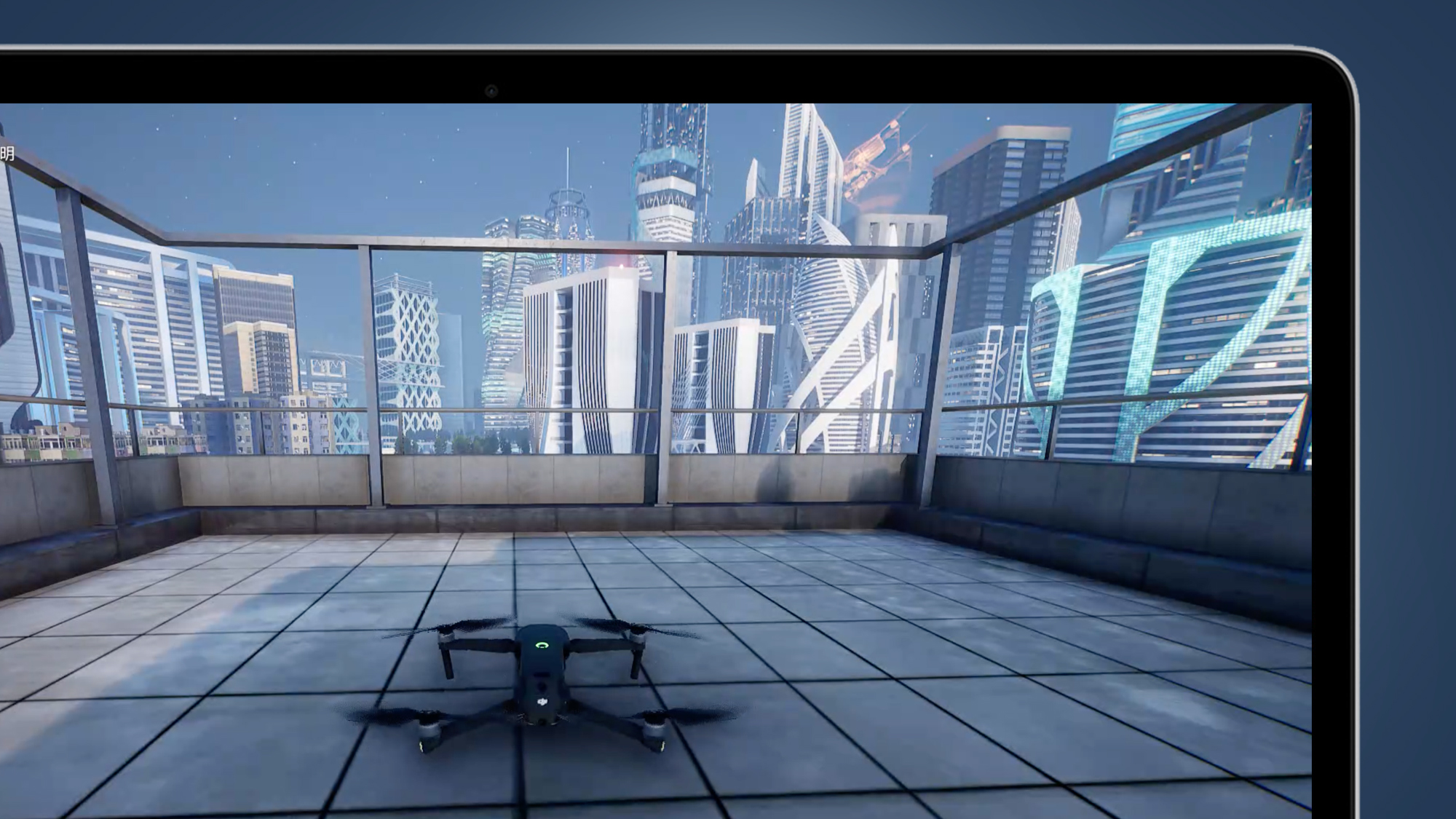
The drone sim appears to be set in a futuristic city with vast tower blocks, which you'd need special permissions to whizz around in real life. And, while the graphics are a little rudimentary, the in-game physics are actually pretty comparable to flying a real DJI drone. Unfortunately, the simulator also has the realistic drone buzzing sound, too.
(Image credit: DJI)
You control the virtual drone using a combination of four letter keys (which represent the left stick of a drone controller) and four cursor keys, which help you control the drone's roll and pitch.
To take off, you need to hold the 'S', 'D', 'left' and 'down' cursor buttons. Once you're airborne, you can also take photos and videos using the 'P' and 'L' keys. And yes, it's possible to crash if you get too carried away, with an action replay showing your (fortunately inexpensive) incident before respawning your drone where it started.
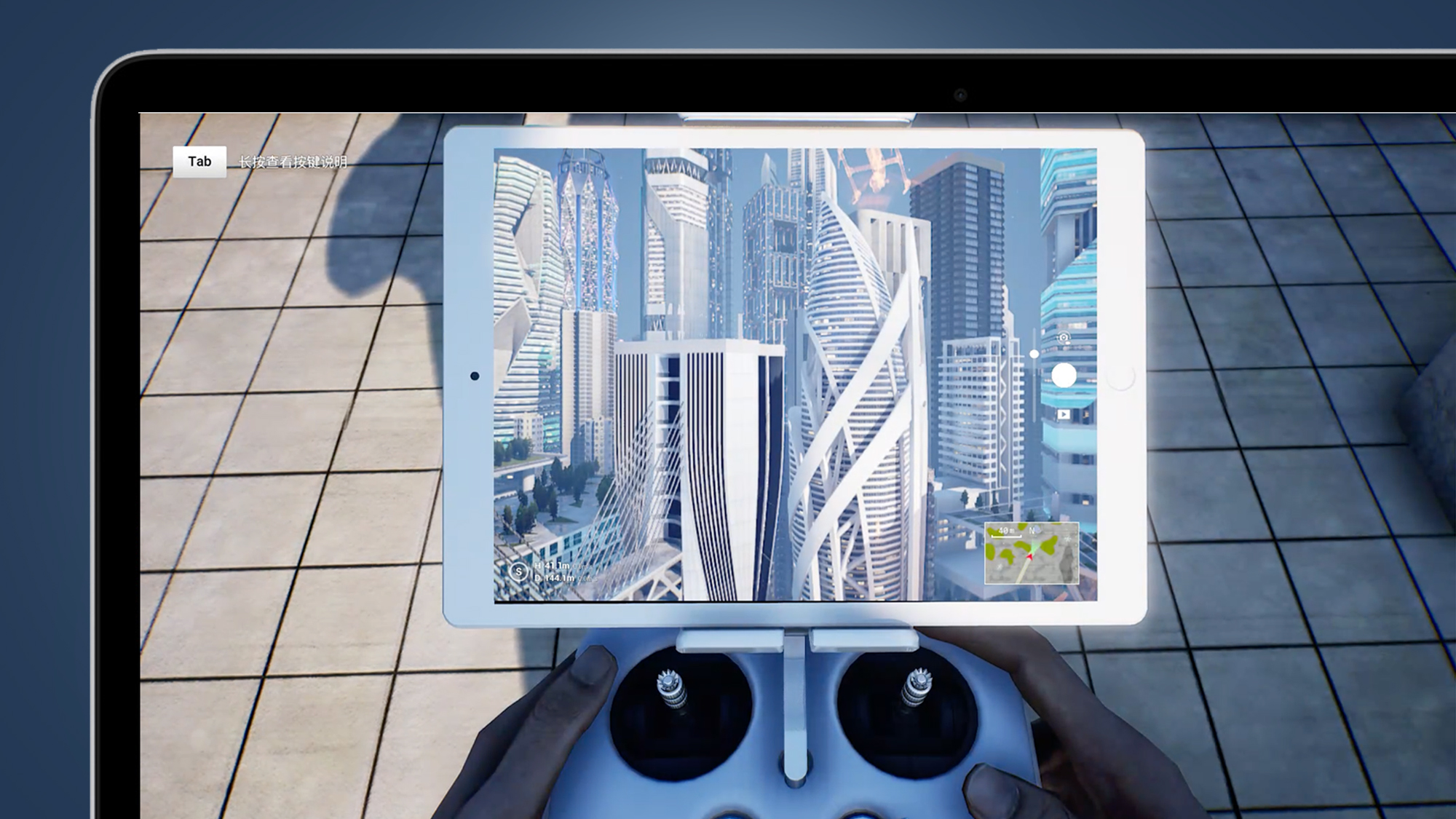
You also get three different views to choose from. The default one is effectively a third-person view of your drone in the sky, but tapping the 'C' key will take you on board the drone complete with a GPS map in the corner. Another tap of the 'C' button will take you to a view of two hands holding a controller, with a tablet acting as your viewfinder.
DJI's drone simulator is a little temperamental – we got regular warnings about the network being too slow, which dropped the frame-rate to unusably low levels. This suggests it isn't ready – or intended – for a wider release, but it's a fun diversion for anyone who's been looking to sharpen their drone flying skills.
Preparing for lift-off
(Image credit: DJI)
There doesn't appear to be any ultimate aim to DJI's drone simulator, other than to give you an open-world playground to practice your flying skills – which is something of a coincidence given drones have hit the headlines again for all the wrong reasons.
In the UK, Gatwick airport had to close and divert flights on Sunday, May 14 after a "suspected drone" was apparently spotted close to the close to the airfield. That incident follows a more problematic one at Gatwick in 2018, with the whole airport shut for over a day following other apparent drone sightings that were never satisfactorily proven.
DJI drones are unable to take off around airports, as the company has geo-restricted zones in its software to prevent that from happening. Still, while this drone simulator is unrelated to any real-world events, it is a handy tool for new pilots to get a feel for the physics and muscle memory needed to fly drones out in the real world.
We've asked DJI if it's intending to officially release or announce the browser game, and will update this story when we hear back. In the meantime, happy flying.
from TechRadar: Photography & video capture news https://ift.tt/9nwlOr4
via IFTTT